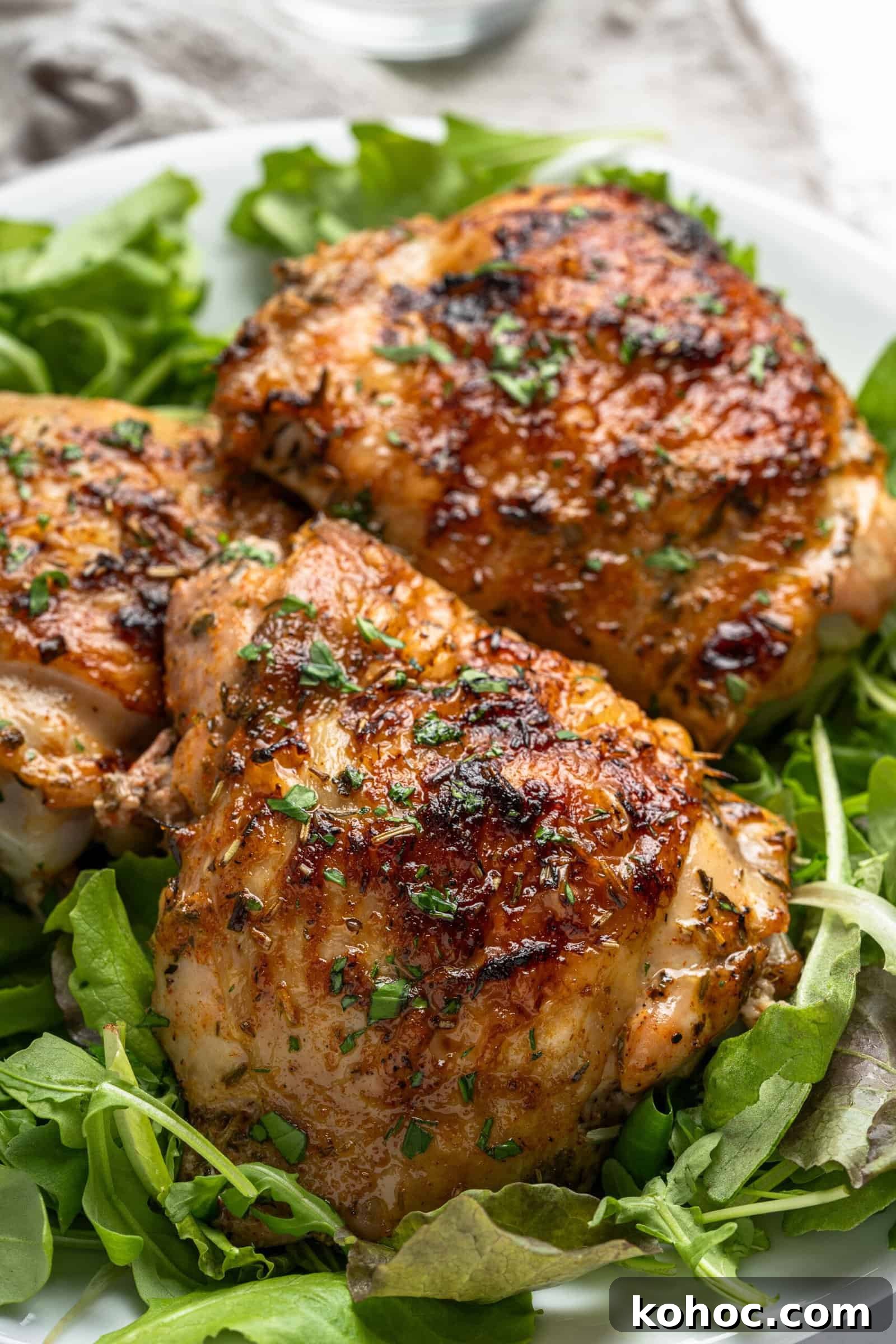
Protein has become a major topic in nutrition—and for good reason. While it may feel like the internet is saturated with “high-protein” recipes, people are finally appreciating how vital protein is for a balanced diet. Protein isn’t just for athletes or bodybuilders; it’s an essential component of every cell in the body. It supports muscle growth, repairs tissue, and helps keep hair, skin, and nails healthy. Whether your goal is better recovery after exercise, a steadier metabolism, or simply smarter eating, meeting your protein needs is fundamental. Think of protein as the building block for strength, energy, and long-term wellness.
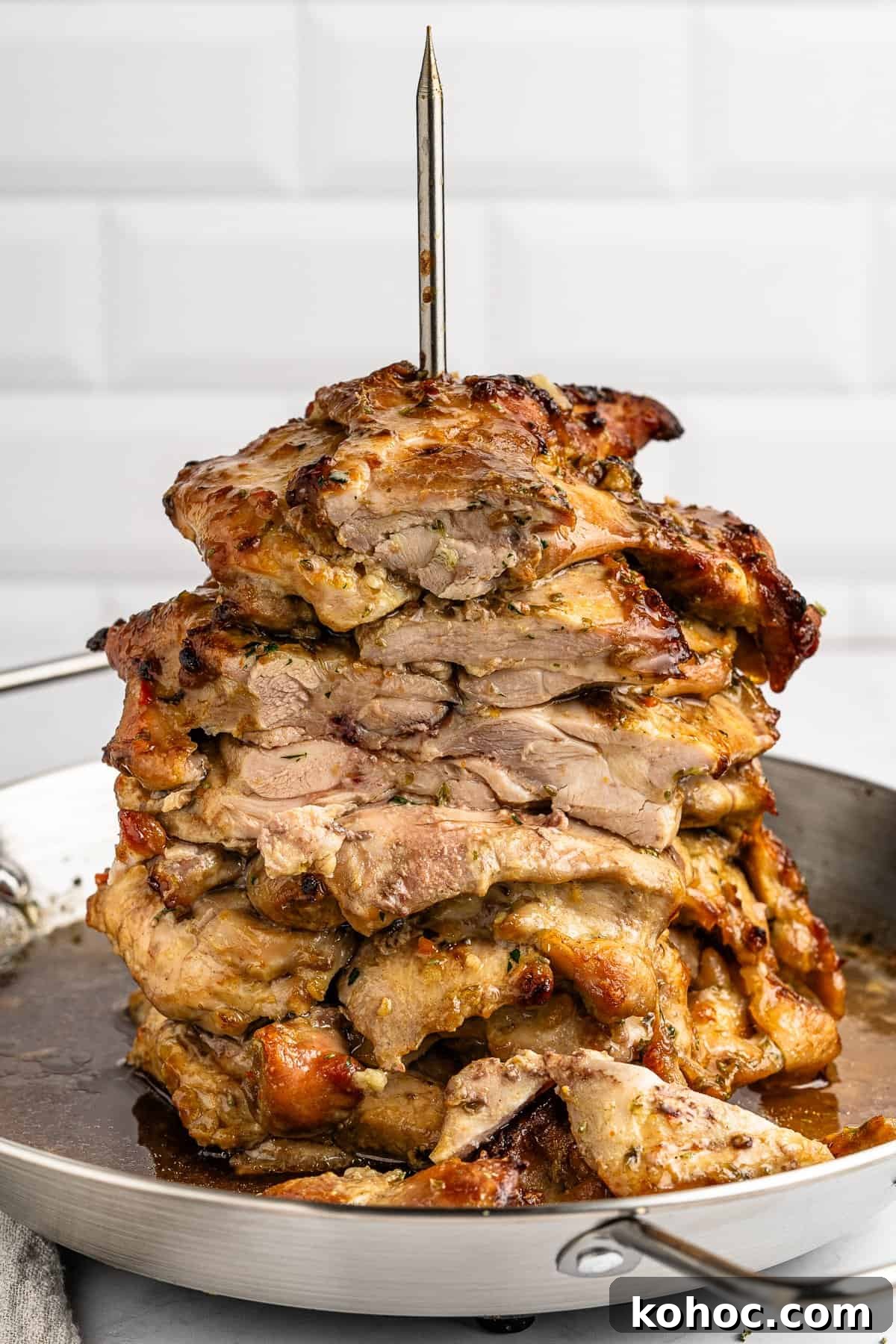
Protein 101
On a basic level, protein is one of the three macronutrients your body needs—alongside carbohydrates and fats. Proteins are long chains of amino acids, often called the “building blocks of life.” There are 20 amino acids in total; nine are essential, which means the body cannot make them and you must obtain them from food. When you eat protein-rich foods, your body breaks them down into amino acids and uses them to build muscle fibers, enzymes, hormones, and immune cells. In short: protein is what your body uses to grow, repair, and maintain itself.
Why Is It Important?
Protein contributes to far more than just muscle growth. It helps build and repair tissues, produces enzymes and hormones, and supports a resilient immune system. Without sufficient protein, recovery after exercise is impaired, lean muscle mass can decline, and energy levels may become unstable.
Protein also supports satiety—meals with more protein keep you feeling full longer, which can reduce snacking and naturally lower daily calorie intake. That’s why a protein-focused breakfast is often recommended for weight-management goals. Additionally, adequate protein intake helps preserve muscle mass as you age, supporting strength, metabolic rate, and long-term health.
Think of protein as the quiet, behind-the-scenes worker that supports everything from concentration in the morning to recovery after a hard workout.
Protein for Weight Loss
If your goal is weight loss, protein should be a priority. Because it’s satiating and slows digestion, protein helps reduce cravings and supports eating fewer calories without feeling deprived. A high-protein breakfast can reduce mid-morning hunger and make it easier to avoid impulse snacks. Protein also protects muscle while you lose fat—preserving lean mass helps maintain metabolic rate, which supports long-term weight maintenance.
In practice, that means prioritizing protein across the day: include quality protein sources at breakfast, lunch, dinner, and snacks to keep energy steady and hunger at bay.

My Favorite High-Protein Recipes
Whether you’re focused on fitness, improving satiety, or simply eating more nutritiously, choosing protein-rich recipes makes it easier to reach your goals. Below is a curated selection of savory mains, quick breakfasts, satisfying salads, and even protein-forward desserts to help you add more high-quality protein to every meal.
Protein-Loaded Morning Favorites

High Protein Dutch Baby

High Protein Mini Pancakes (Viral)

High Protein Breakfast Casserole

Air Fryer Hard Boiled Eggs

Cottage Cheese Pancakes

Cottage Cheese Bagels
High-Protein Main Dishes

High Protein Chicken Gyros

3 Ingredient Tuna Nuggets

Buffalo Chicken Thighs
Ribeye Steak Recipe
Easy Greek Bowl
Protein-Packed Salads & Sides
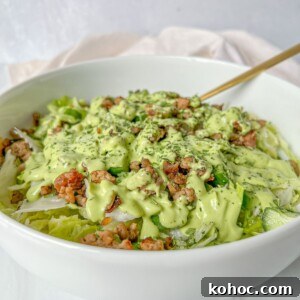
High Protein Green Goddess Salad

Cottage Cheese Egg Salad

Shrimp Fried Rice
Protein-Forward Sweet Treats

High Protein Pudding

Strawberry Protein Shake