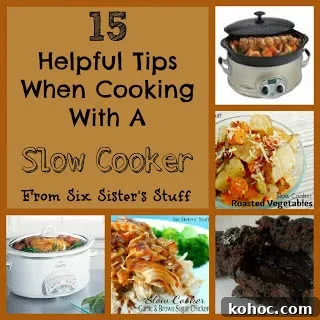
I remember the first time I really noticed slow cooking on TV. Watching a family prepare a slow-cooked meal taught me two important lessons: how to use an instant-read thermometer for food safety, and how inexpensive cuts of meat become tender and flavorful when cooked slowly. That episode inspired my mom and me to try a pot roast in our slow cooker. She picked the right cut, added vegetables, and let it cook slowly all day. The result was the best pot roast I’d ever tasted — tender, juicy, and deeply flavored. The long cooking time was always worth the wait.
As I grew older I started making crock pot meals myself. At first I worried it would be complicated, but I quickly discovered that many dishes are forgiving: gather your ingredients, season appropriately, and let the cooker do the work. Some recipes are simple, others more involved, but that flexibility is the beauty of the slow cooker. Over the years I’ve collected tips and techniques that consistently improve outcomes, and I’m confident these suggestions will help both new and experienced cooks.
Our site includes a variety of slow cooker recipes, from dishes with dairy like sour cream and Parmesan to meals featuring root vegetables and fresh herbs. While slow cookers are straightforward, the following tips cover common pitfalls and best practices that will make your dishes taste better and be safer to eat.
Slow Cooker Tips and Guidelines
1. Temperature guide: The High setting on most slow cookers is approximately 300°F (150°C) and Low is approximately 200°F (93°C).
2. Time equivalence: One hour on High equals roughly 2 to 2½ hours on Low. Plan accordingly when converting recipes.
3. Don’t peek: Avoid lifting the lid during cooking. It can take 15–20 minutes for the cooker to regain lost steam and return to the correct temperature, which prolongs cooking time.
4. Browning adds flavor: Searing meat and sautéing onions or vegetables before adding them to the crock pot deepens flavor. It’s optional, but recommended when you want richer taste.
5. Herbs and seasonings: Whole or fresh herbs hold up and gain flavor in long cooking. Ground spices can lose intensity; add them in the last hour and adjust seasoning just before serving.
6. Side dishes: Slow cookers aren’t just for main courses. They make excellent baked potatoes — simply clean them, place them in the cooker, and cook all day. They’re great for potato salad or a simple baked potato dinner.
7. Reducing liquids: Liquids don’t evaporate much while the lid is on. If a dish is too soupy, remove the cover and set the cooker to High near the end to allow some evaporation, or finish reduction on the stovetop.
8. Best cuts of meat: Tougher, less expensive cuts (chuck roast, brisket, pork shoulder) are ideal. Low-and-slow cooking for 6–8 hours yields much more tender results than cooking on High for shorter times.
9. Keep your kitchen cool: Slow cookers generate less ambient heat than ovens, which helps keep your home cooler in warm weather. They also fill the house with appetizing aromas throughout the day.
10. Easy cleanup: Crock pot liners speed cleanup and don’t affect cooking. If you don’t have liners, a light coating of cooking spray on the insert helps prevent sticking.
11. Layering matters: Foods at the bottom of the cooker cook faster and become more tender than foods on top. Place meat and dense vegetables near the bottom unless a recipe specifies otherwise.
12. Even sizes: Cut firm vegetables to similar sizes so they cook evenly. Uniform pieces prevent some items from overcooking while others remain underdone.
13. Add delicate vegetables late: Tender vegetables like tomatoes, mushrooms, zucchini, and bell peppers should be added during the last hour to avoid becoming overly soft and mushy.
14. Fill level: Fill the crock pot between half and three-quarters full for best results. If it’s less than half full, cooking time may be shorter and food can dry out or burn; overfilling can prevent proper circulation and even cooking.
15. Choose the right slow cooker: Sizes, shapes, and features vary. Research models based on capacity and functions that fit your cooking habits. Ask friends or family for recommendations — many people already own reliable units you can learn from.