Whether you’re managing avoidance of the top allergens, dealing with a single food allergy, or packing lunches and snacks for schools with allergen rules, this post will help. Read on for clear, practical information about identification, prevention, and management of food allergies.
Use this index to jump to a topic in this post…
- What is a Food Allergy?
- Top 8 Food Allergies
- How Common are Food Allergies?
- “Is This Rash a Food Allergy?”
- How Common are Severe Food Allergies?
- Most Common Allergens from the Top 8 Allergens List
- Can Food Allergies Go Away?
- Are Children More Likely to Have Multiple Allergies if They Have One?
- What Do I Do if My Child Has an Allergic Reaction?
- What Should I Do After They Are Diagnosed?
- How Do I Introduce Allergens to Babies Starting Solids?
- Oral Allergy Syndrome
- Top 8 Food Allergies and Nutrition Labels
- Picky Eating and Food Allergies?
What is a Food Allergy?
A food allergy occurs when the immune system reacts to a food protein by producing IgE antibodies. When that food is eaten, it binds to IgE and triggers an allergic reaction. Reactions vary widely, from mild skin irritation to severe, life-threatening anaphylaxis. Different types of adverse reactions and intolerances exist, so it’s helpful to distinguish sensitivity from true IgE-mediated allergy with a clinician.
Top 8 Food Allergies
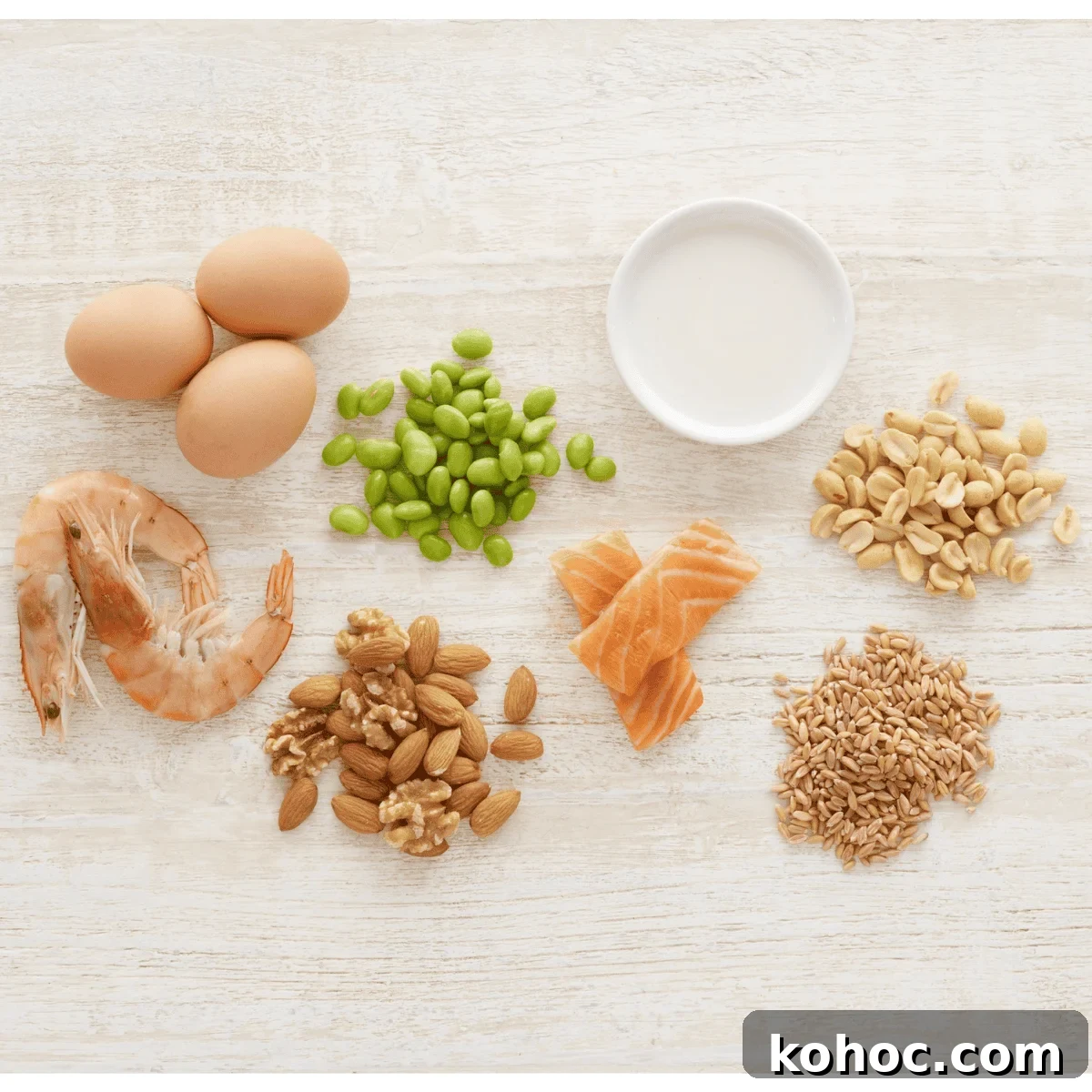
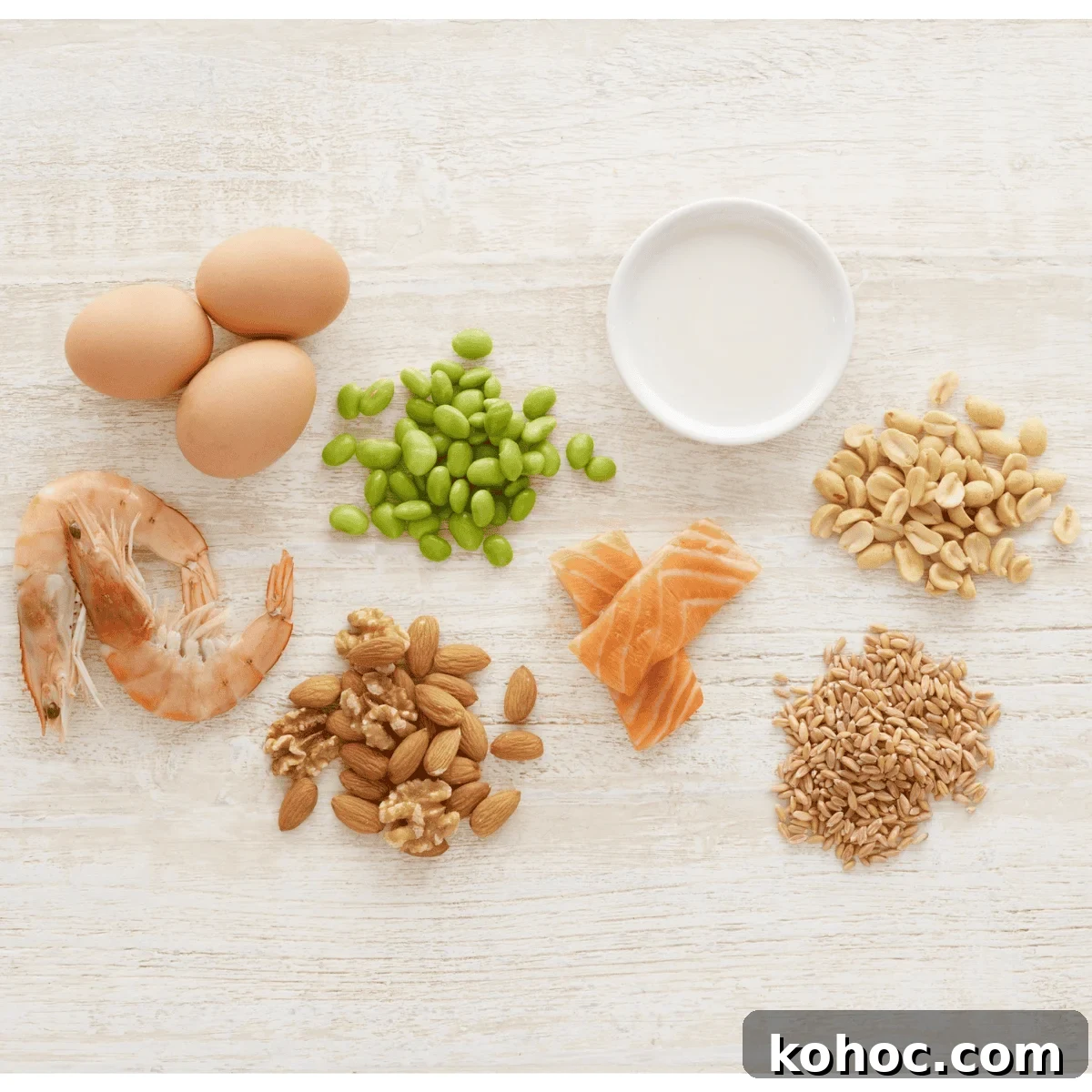
While we usually refer to the “top 8” allergens, there is a ninth common allergen that now receives the same labeling attention. These foods account for the majority of food-allergic reactions:
- milk
- eggs
- fish
- shellfish
- tree nuts
- peanuts
- wheat
- soybeans
And the additional allergen:
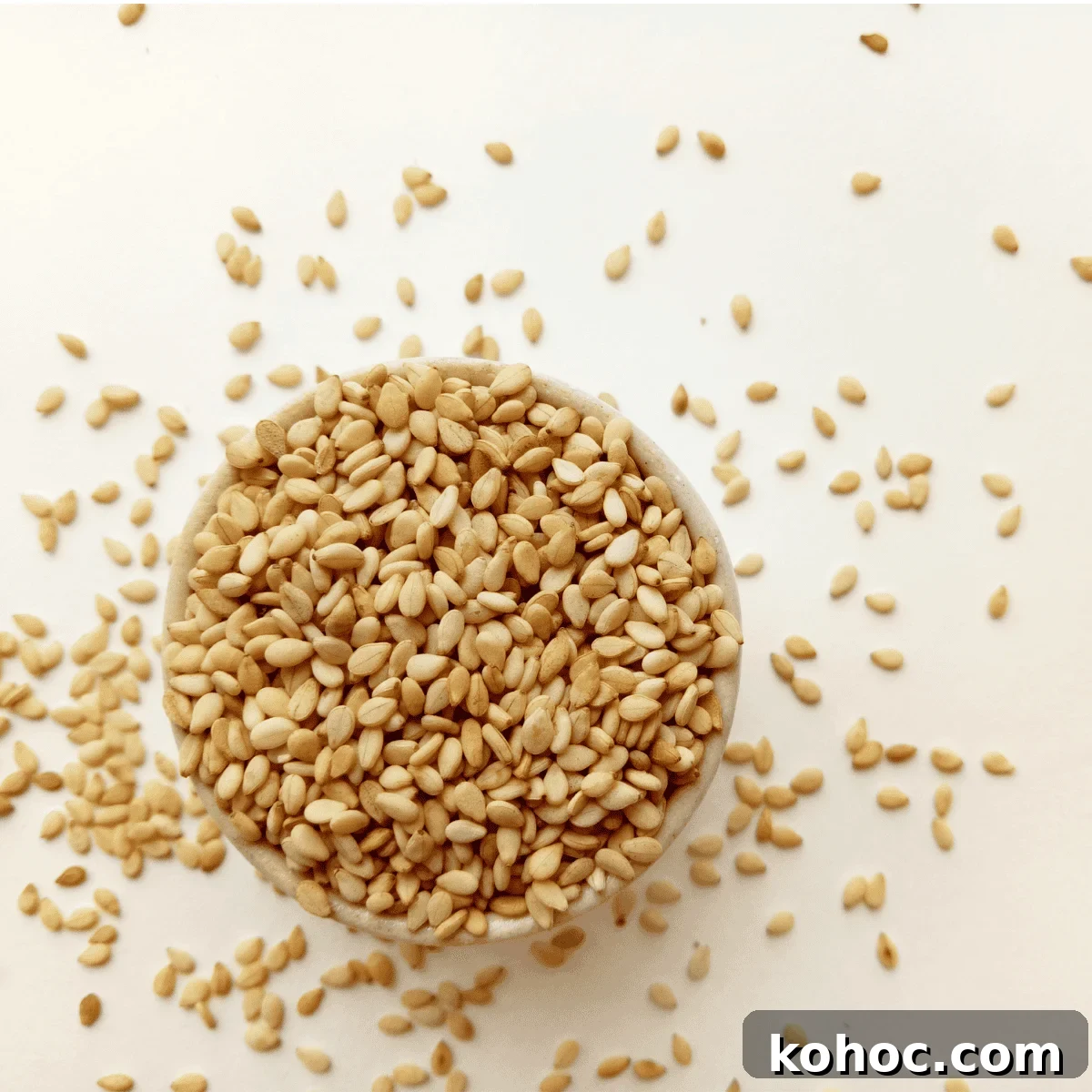
- sesame
Since January 1, 2023, sesame must be declared on packaged food labels alongside the other major allergens.
How Common are Food Allergies?
Food allergies are increasingly recognized. Current estimates suggest roughly 6% of adults and about 8% of children have some form of food allergy — approximately 1 in 13 children. Given those numbers, it’s likely at least one child in a classroom has a food allergy, which explains many schools’ nut-free policies.
“Is This Rash a Food Allergy?”
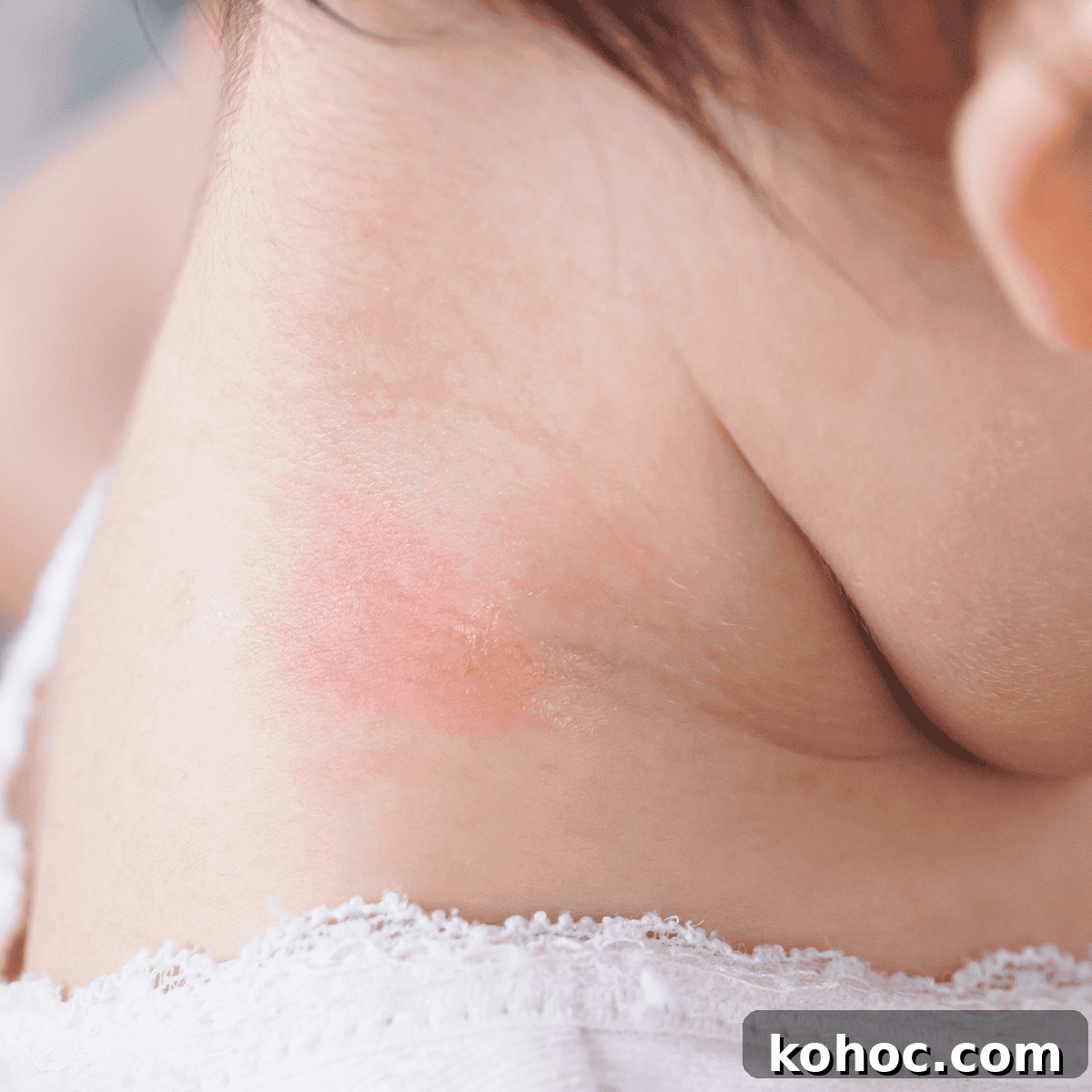
This is a very common concern. Food allergies can cause skin symptoms such as hives, redness, or localized rashes, but many non-allergic causes can look similar. Mild allergic reactions may include skin irritation, mouth or tongue tingling or swelling, and hives on the trunk. These situations are often manageable but should prompt a call to your pediatrician for guidance.
Severe reactions — difficulty breathing, throat swelling, lightheadedness, or signs of anaphylaxis — are medical emergencies. Seek immediate help if you observe these symptoms.
How Common are Severe Food Allergies?
Severe, life-threatening food allergies are relatively uncommon. Most food allergies involve the major nine allergens listed above, and the majority of children are at low risk for a severe reaction. The most frequent cause of serious anaphylaxis is peanut, so extra care is advisable when introducing peanuts, especially in infants at higher risk due to severe eczema or an existing egg allergy.
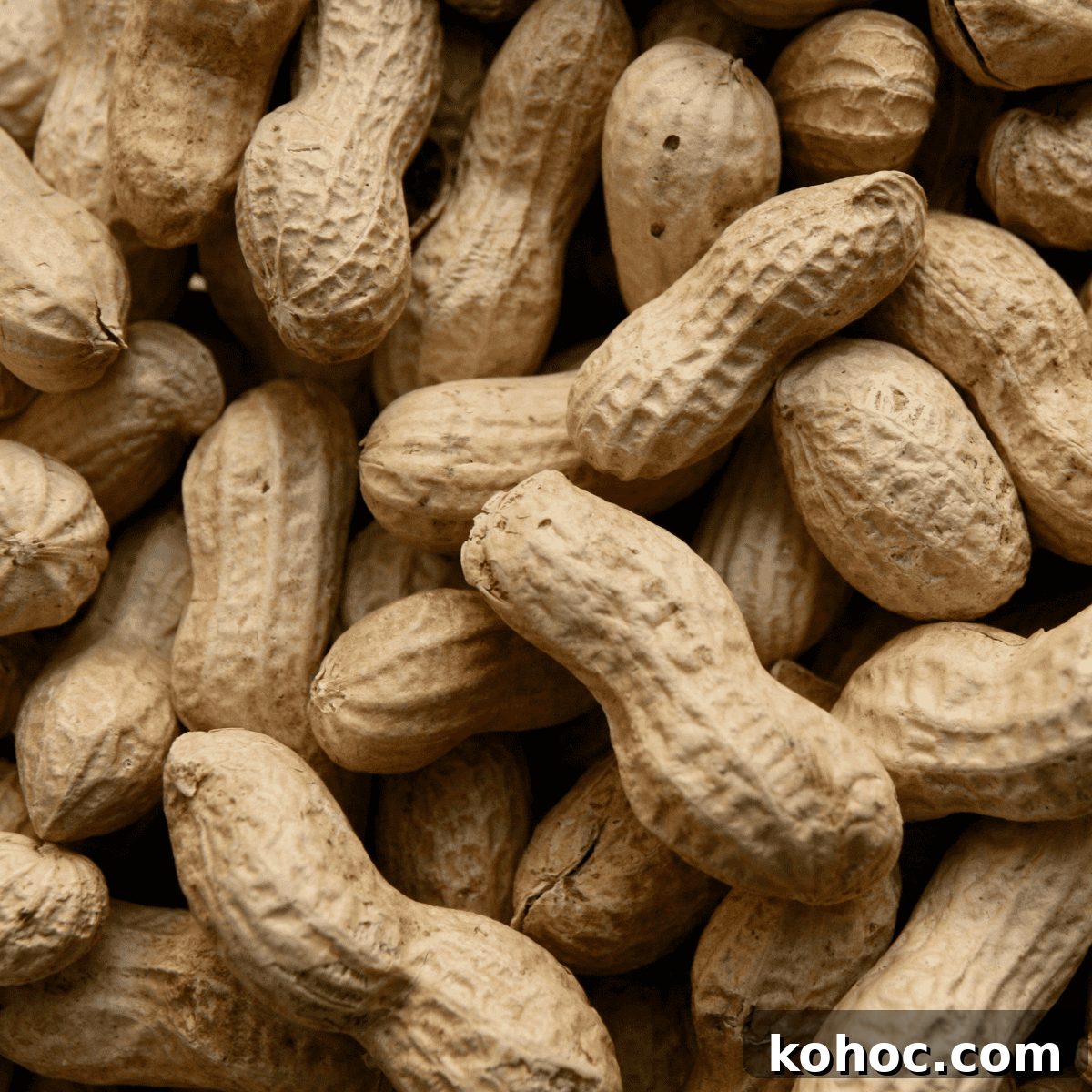
Current evidence supports introducing allergenic foods early and regularly, which can reduce the likelihood of developing an allergy. If you have risk concerns, discuss a safe introduction plan with your pediatrician or an allergist.
Most Common Allergens from the Top 8 Food Allergies List
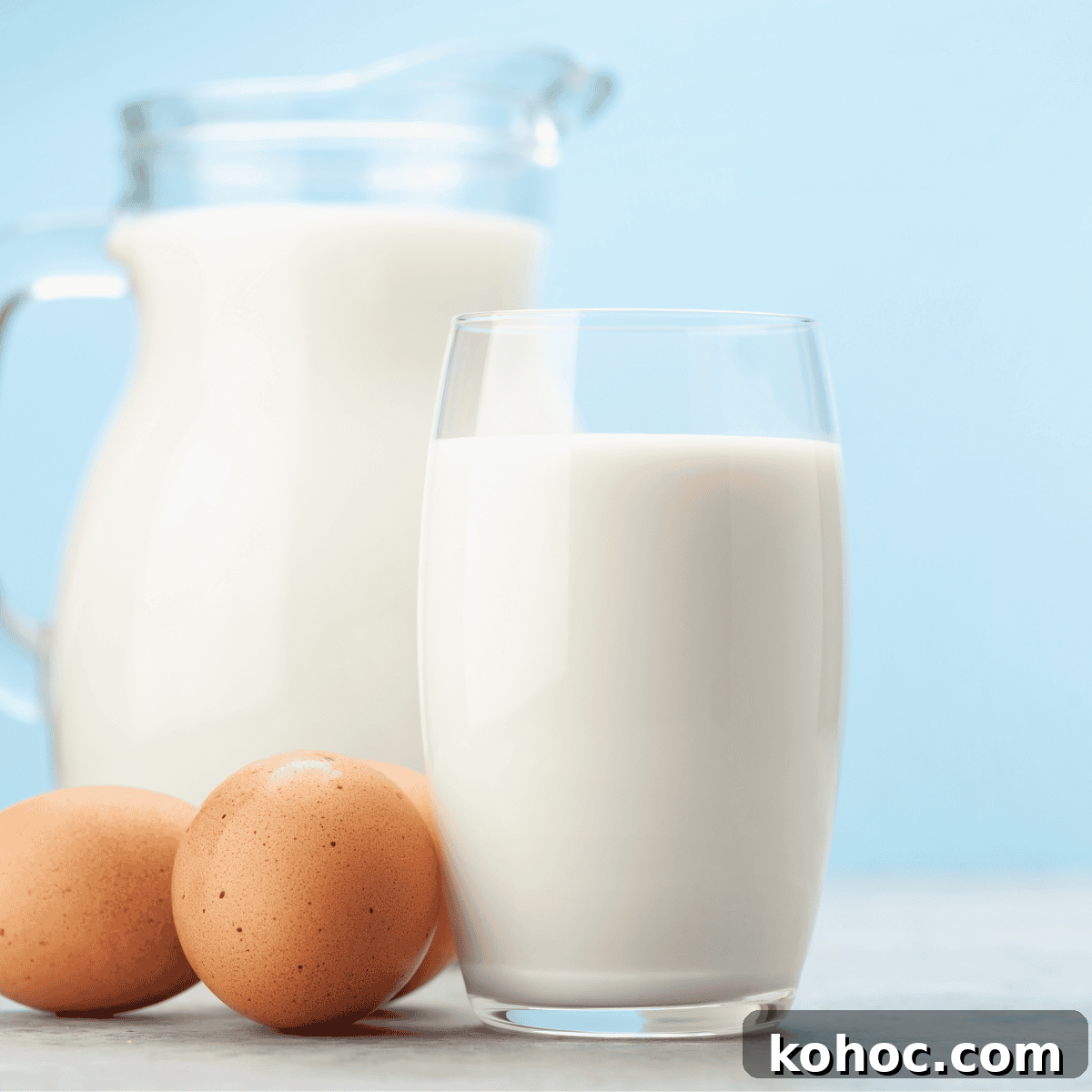
When thinking about which foods need extra caution, differentiate frequency from severity. Milk and egg allergies are among the most common in children and can range from mild to severe. The good news is that allergies to milk, egg, wheat, and soy often resolve during childhood for many children.
Can Food Allergies Go Away?
Yes — some do. Milk, egg, wheat, and soy allergies commonly resolve in childhood. By contrast, allergies to peanuts, tree nuts, fish, and shellfish are more likely to persist into adulthood. Children’s immune responses can change over time, so periodic reassessment by an allergist is useful. In some cases, children tolerate baked forms of an allergen (for example, baked egg) even if they react to less processed forms.
Are Children More Likely to Have Multiple Allergies if They Have One?
Some children have only a single food allergy, while others have multiple allergic conditions. A family history of allergies, or conditions such as severe eczema and asthma, can increase the likelihood of additional food allergies. Cross-reactivity — where similar proteins in different foods trigger an immune response — also contributes to multiple allergies. For example, cow’s milk allergy often cross-reacts with goat or sheep milk. Conversely, positive allergy tests to related foods do not always predict true clinical reactivity.

More on Cross-Reactivity
Cross-reactivity varies by food family. For example, while peanuts and legumes like soy are related, many people who test positive to another legume can still tolerate it clinically. Peanuts and tree nuts are distinct groups; some people react to one but not the other, though co-allergy does occur in some cases. An allergist can help interpret testing and clinical risk.
What Do I Do if My Child Has an Allergic Reaction?
Always treat severe signs as an emergency and seek immediate care. If your child has a known severe allergy, have a written emergency plan and make epinephrine auto-injectors readily available in places you frequent. For milder reactions, note the suspected food and contact your pediatrician for advice. Document symptoms, timing, and any treatment given.
How Can I Tell if They Are Having a Mild Allergic Reaction?
Children may describe mild oral or throat symptoms in ways like:
- “This food is too spicy.”
- “My tongue is burning/tingling/itchy.”
- “It feels like something’s poking my tongue.”
- “My tongue feels full or heavy.”
- “There’s something stuck in my throat.”
- “My lips feel tight.”
- “Something’s wrong” or “Something bad is happening.”
If you see these signs, pause feeding, observe closely, and call your pediatrician for guidance.
What Should I Do After They Are Diagnosed?
After a diagnosis, work with a food allergist and a registered dietitian. An allergist can confirm diagnosis and outline treatment or testing strategies, while a dietitian can help ensure the child’s diet remains nutritionally adequate when avoiding specific foods. Reassessment over time is important since some children outgrow certain allergies.
How Do I Introduce Allergens to Babies Starting Solids?

Guiding principles for introducing allergenic foods to infants:
- Introduce early and repeat exposures regularly.
- Offer one new allergen at a time to observe any reaction.
- Introduce new foods during daytime hours so you can access medical advice if needed.
Early introduction of allergenic foods has been shown to reduce the risk of developing allergies in many infants. If your child has significant eczema or other risk factors, consult your pediatrician for a tailored plan.
Oral Allergy Syndrome
Oral Allergy Syndrome (OAS) causes itching or mild swelling limited to the mouth, lips, or throat, usually after eating certain raw fruits, vegetables, or tree nuts. OAS often occurs in people with pollen allergies because of cross-reactivity between pollen proteins and proteins in some fresh produce. Symptoms are usually mild but should be discussed with a clinician, especially when nuts are involved.
Top 8 Food Allergies and Nutrition Labels
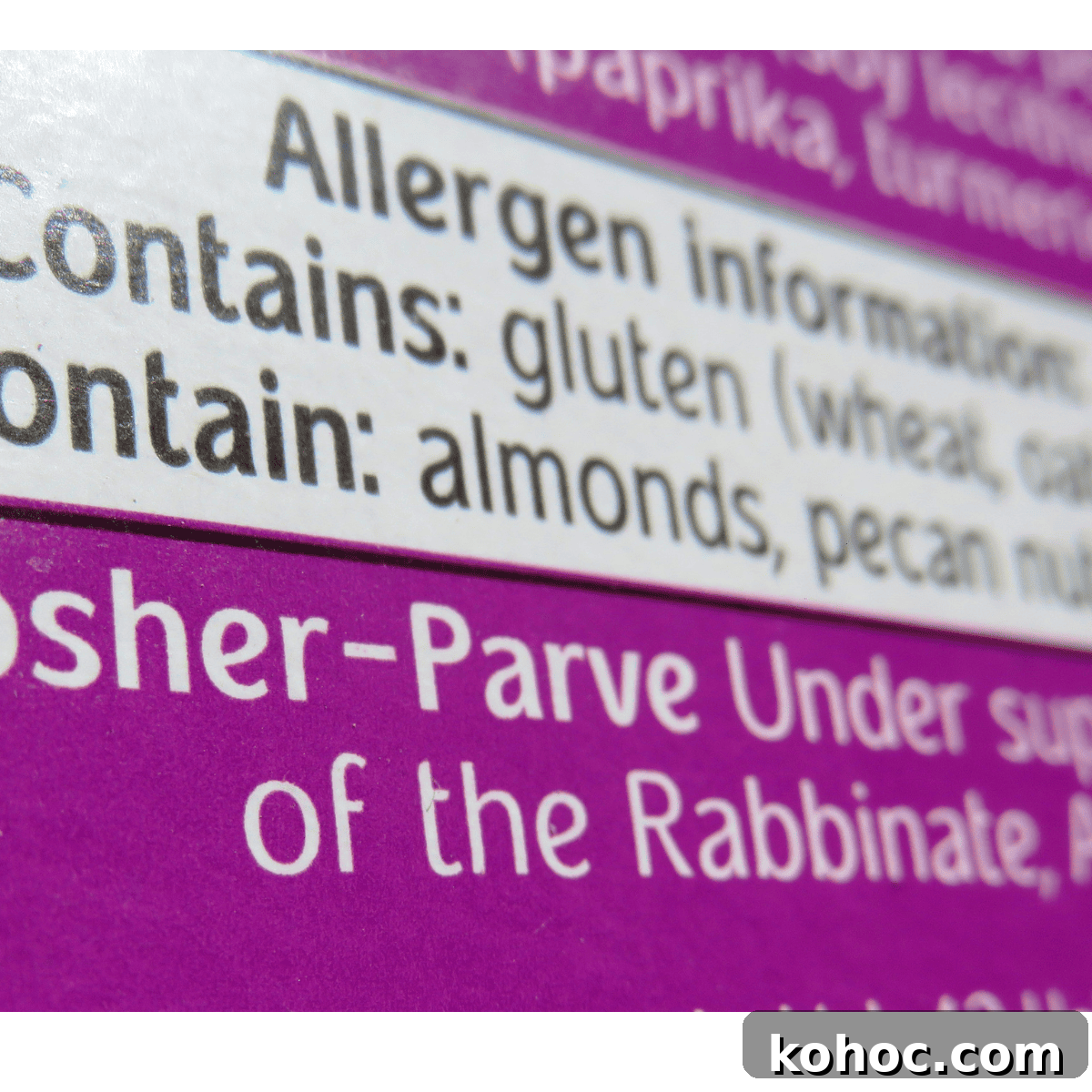
Reading labels carefully is essential. Laws require manufacturers to declare major allergen sources either in parentheses after the ingredient (for example, “lecithin (soy)”) or in a separate “Contains” statement (for example, “Contains: Wheat, Milk, Soy”). Some ingredients, like tahini, can be unexpected sources of allergens (tahini is made from sesame). Always check labels each time you purchase a product because ingredients and manufacturing practices can change.
Picky Eating and Food Allergies?
Managing picky eating with food allergies can be exhausting. Give yourself grace: repetition and limited variety are often necessary to ensure a child eats enough. Keep a list of safe foods handy for shopping and meal planning. You can boost nutrient density of accepted foods by adding healthy fats, choosing full-fat dairy when allowed, and offering smoothies or nutrition shakes when needed. Work with a dietitian for tailored strategies if the child’s diet is narrow or growth is a concern.
Allergy-Friendly Ideas
If you need top-9 allergen–free packaged options, some brands offer products free from the major allergens. Fresh fruits and vegetables are simple, low-risk options for shared settings like schools, though individual allergies to produce do occur. For egg-free or nut-free meal ideas, look for recipes and snack lists tailored to your family’s restrictions and preferences.
A Final Word on the Top 8 Allergies
Food allergies add complexity to feeding, but with planning and support you can provide a safe, balanced diet for your child. Work with a pediatrician, allergist, and dietitian as needed. If picky eating is also a challenge, practical strategies and steady exposure to safe foods can help expand acceptance over time.