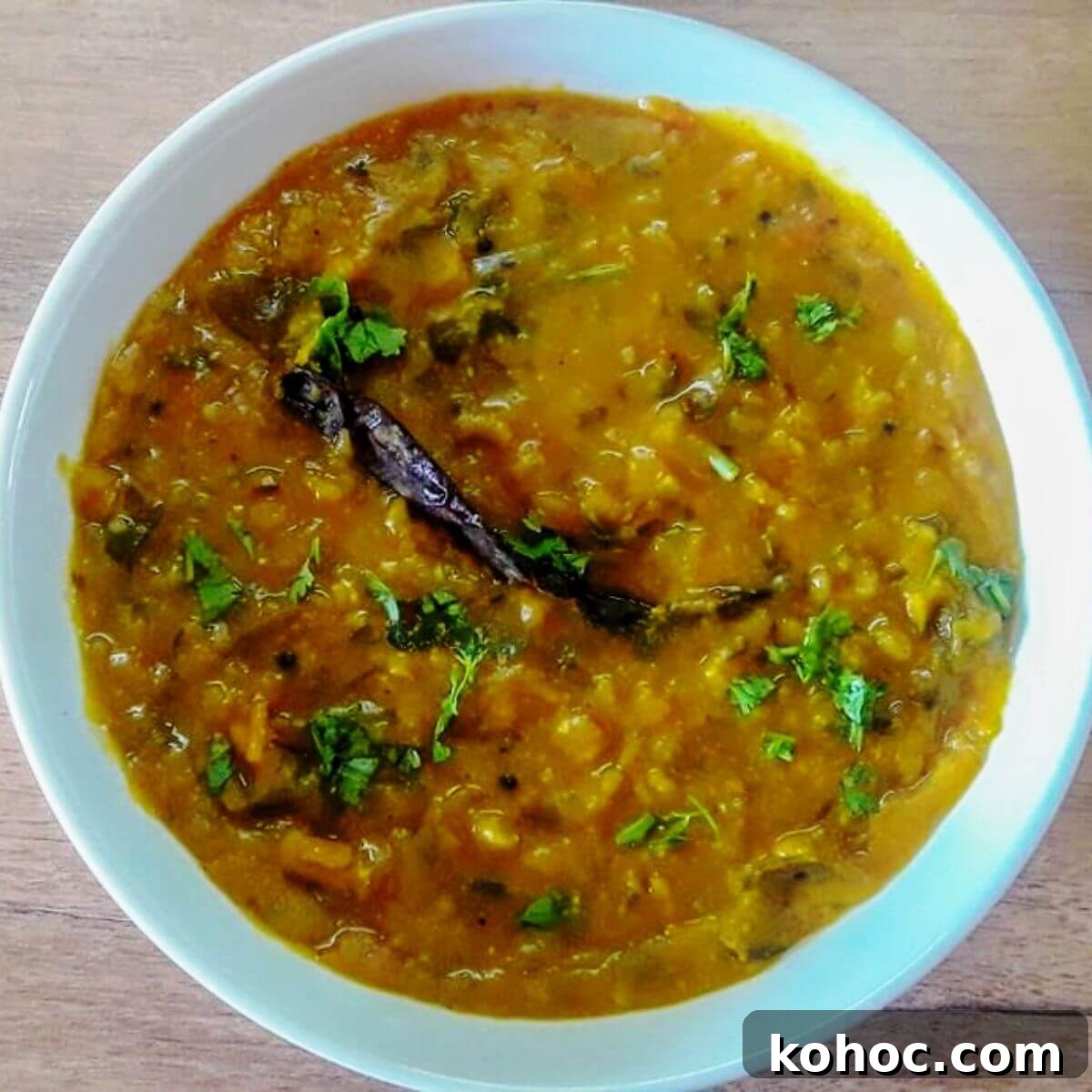
Dal fry recipe with step-by-step photos and a short video. This version uses arhar/toor dal (split pigeon peas) cooked with onions, tomatoes and simple spices to make a comforting, restaurant-style dal fry that you can prepare easily at home.
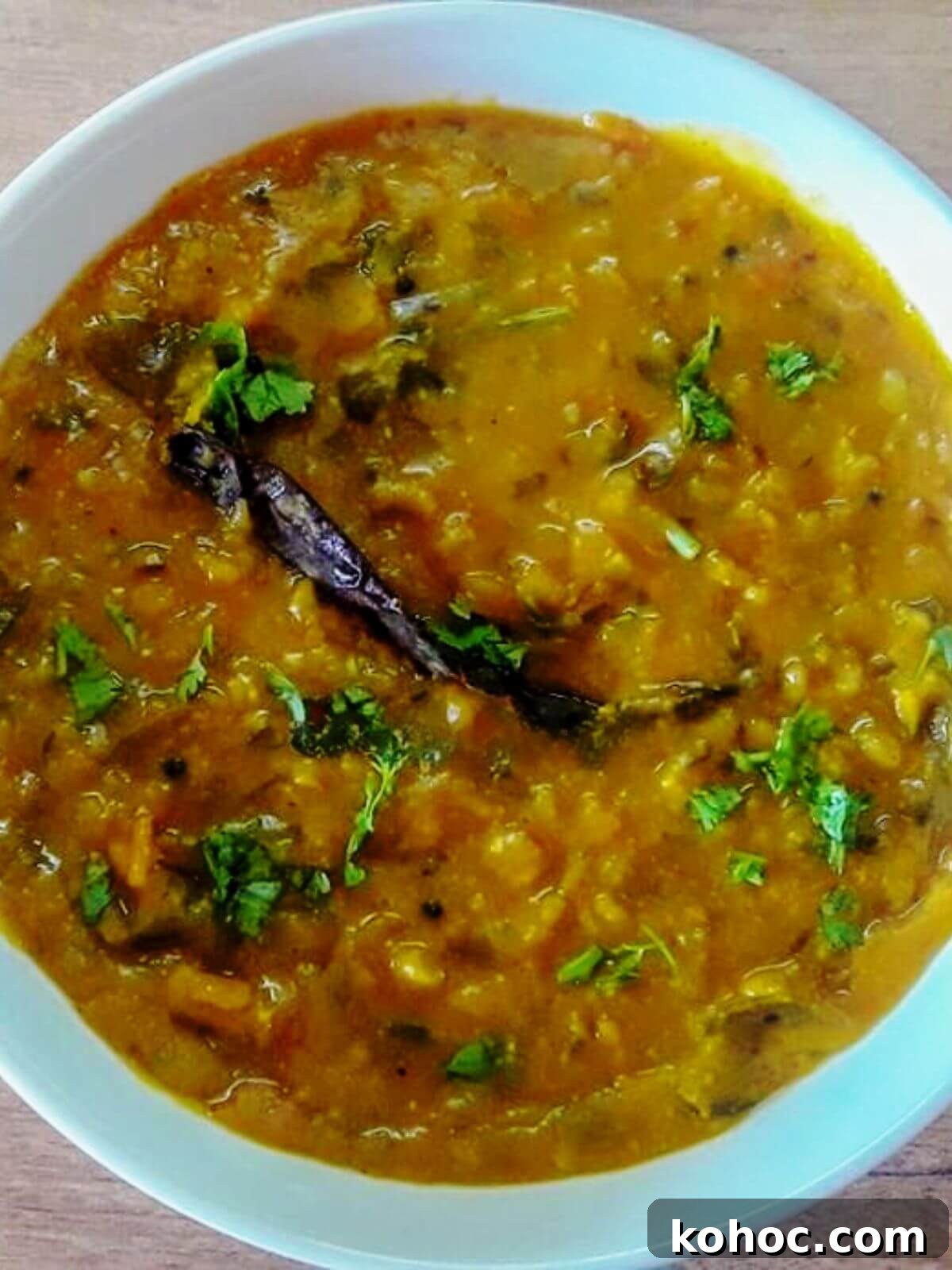
This healthy, flavorful dal fry is quick to make and delivers the same satisfying taste you would expect from a dhaba or restaurant.
Serve dal fry with rotis, naan, or jeera rice. It also pairs well with plain steamed rice alongside simple sides such as vegetable fritters or a paneer or mushroom curry.
What is Dal Fry?
“Dal” refers to legumes—lentils, peas or split beans—either whole or split. Dal fry is a thick, spiced lentil dish made by tempering aromatic spices and sautéed onions and tomatoes, then combining them with cooked dal. The dish became popular at roadside eateries called dhabas and later found its way onto restaurant menus. Today it is a staple vegetarian dish across Indian homes and restaurants.
Below is a clear, step-by-step recipe to make restaurant-style dal fry at home.
Recipe features
- Quick & easy — ready in about 30 minutes.
- Customizable — swap or combine dals, adjust spices, or skip ingredients to suit your taste.
- Vegan & gluten-free when made with oil instead of ghee.
Ingredients
- Dal — toor (arhar) dal is used here. You can substitute other lentils or combine toor with moong or chana dal for a different texture and flavor.
- Onions — finely chopped.
- Tomatoes — chopped, to form the base of the gravy.
- Ginger-garlic paste — or freshly grated ginger and minced garlic.
- Spice powders — turmeric, coriander powder, red chili powder, garam masala, and salt.
- Ghee or oil — ghee adds aroma and richness; use oil to keep it vegan.
- For tempering — mustard seeds, cumin seeds, curry leaves (optional), a pinch of asafoetida (hing), and dried red chilies.
- Herbs — kasuri methi (dried fenugreek leaves) and fresh coriander leaves for garnish.
Refer to the recipe card below for exact quantities and a printable version.
How to make restaurant-style dal fry
Preparation
Pressure-cook the toor dal
- Rinse 1 cup toor dal under running water until the water runs clear.
- Add the dal to a pressure cooker with 2 cups water, 1/4 tsp turmeric and 1 tsp oil. Mix well.
- Close the lid and cook for 3–4 whistles, then switch off and allow pressure to release.
- Once cooled, mash the cooked dal lightly with the back of a ladle and set aside.
- Chop onions, tomatoes, green chili and coriander leaves and keep ready.
Making the dal fry
- Heat 2 tsp ghee (or oil) in a kadhai or deep skillet.
- Add 1/2 tsp mustard seeds and let them splutter.
- Add 1/2 tsp cumin seeds, a pinch of asafoetida, curry leaves (optional) and 2 dried red chilies; fry briefly.
- Add chopped onions and sauté until translucent.
- Add 1 tsp ginger-garlic paste and cook until the raw aroma disappears.
- Stir in 1 tsp coriander powder, 1 tsp red chili powder and 1 tsp garam masala; sauté for a minute.
- Add chopped tomatoes, the chopped green chili and salt. Cover and cook until tomatoes soften (about 3–4 minutes).
- Add 1 cup water and the cooked toor dal, mix well to combine.
- Add 1 tsp kasuri methi (crushed between your palms) and 2 tbsp chopped coriander leaves. Mix and bring to a gentle boil.
- Adjust seasoning and consistency if needed. The dal fry should be thick and creamy. Serve hot with jeera rice, roti or chapati.
Cooking Tips
- Tempering in ghee adds a rich aroma and authentic flavor; use oil for a vegan option.
- Keep the dal on the thicker side—overly thin dal will lose the classic dal fry texture and taste.
- Kasuri methi gives a distinctive, pleasant aroma—crush it lightly before adding.
- Mixing toor dal with moong or chana dal creates a more textured, dhaba-style dal fry if you prefer.
- If you prefer less tomato, reduce the tomatoes and finish with a splash of lemon juice for brightness.
Recipe FAQs
Dal fry is traditionally served with Indian flatbreads such as rotis or chapatis, or with plain rice. Jeera rice and dal fry make a classic, comforting combination.
Tempering timing is the main difference: in dal fry, tempering is prepared and cooked with the onions and tomatoes before adding the cooked dal; in dal tadka, tempering is usually added at the end. Dal fry commonly includes onions, while dal tadka may not.
Toor dal (arhar) is traditional for dal fry. You can also use a combination of toor, chana dal and moong dal for a more textured result.
If you try this recipe, consider leaving a comment and a rating.
Recipe Card
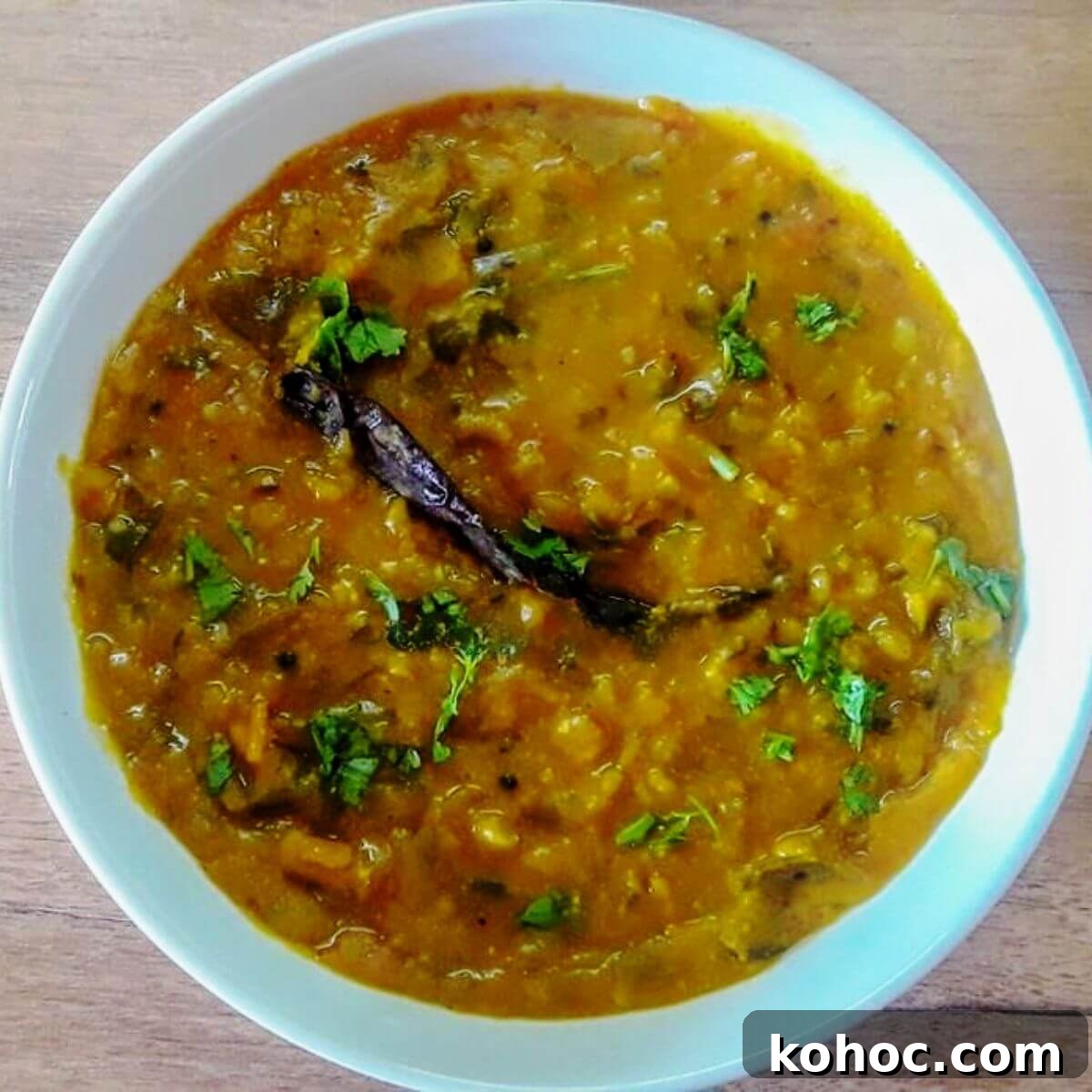
Dal Fry Recipe — Restaurant-style at Home
Video
Ingredients
To pressure cook the dal
- 1 cup toor dal
- 2 cups water (for pressure cooking)
- ¼ tsp turmeric powder
- 1 tsp oil
For making dal fry
- 2 tsp ghee or oil
- ½ tsp mustard seeds
- ½ tsp cumin seeds
- 1 sprig curry leaves (optional)
- a pinch asafoetida (hing)
- 2 dried red chilies
- 2 onions, chopped
- 1 tsp ginger-garlic paste
- 1 tsp coriander powder
- 1 tsp red chili powder
- 1 tsp garam masala
- 3 tomatoes, chopped
- Salt to taste
- 1 green chili, chopped
- 1 tsp kasuri methi
- 2 tbsp chopped coriander leaves
Instructions
Preparations
- Rinse the dal, pressure-cook with water, turmeric and oil for 3–4 whistles, then mash and set aside.
- Chop onions, tomatoes, green chili and coriander leaves and keep ready.
Making the dal fry
- Heat ghee or oil, add mustard seeds and let them splutter.
- Add cumin seeds, hing, curry leaves and dried chilies; fry briefly.
- Sauté onions until translucent, then add ginger-garlic paste and cook until the raw smell disappears.
- Add the spices, then tomatoes, green chili and salt. Cook until the tomatoes soften.
- Add 1 cup water and the mashed dal, mix well.
- Stir in kasuri methi and coriander leaves, bring to a boil and adjust seasoning.
- Serve hot with jeera rice, roti or chapati.
Notes
- Curry leaves are optional but add a nice aroma if available.
- Keep the dal thick for the authentic dal fry texture.
- Ghee enhances flavor; use oil for a vegan option.
- Reduce tomatoes and finish with lemon if you prefer less tomatoy tang.
- Try combining dals (toor + moong or chana) for variety.
Nutrition
Nutrition information is an estimate and should be used as a guide only.
Share your results or tag the recipe on social media if you like.