‘Unfortunately, your post titled
“The most awesome food photo I’ve ever taken”
was not accepted.’
Sound familiar? Those words sit in the inbox of food bloggers the world over, arriving quietly among discount codes and contact-form spam. I’m fortunate Foodgawker emails usually arrive around the time I wake up here in the UK — a blunt, early-morning reminder. Having images declined by Foodgawker is part of building a blog; learning how to improve your chances of acceptance is part of growing as a food photographer and content creator.
The three pillars of Foodgawker
In the last ten months I submitted roughly thirty images to Foodgawker and have hovered around a 50:50 accept/reject ratio. As my photography has improved I’ve noticed something odd: I can create a series of images I love and still see many of them declined. At first I was annoyed, but over time I learned a few useful lessons about what Foodgawker values.
1. Getting your images accepted on Foodgawker is not everything.
2. Getting declined is not the end — it’s a learning opportunity.
3. Acceptance on Foodgawker does not equal an absolute judgment of good photography.
The first point matters because Foodgawker is only one outlet among many. Acceptance feels good, but it’s not the only measure of success. The second point is about perspective: rejections offer a hint about their visual preferences, and they happen to everyone. Don’t obsess — move on and submit other work. The third point is crucial: Foodgawker has clear technical standards and a particular aesthetic. A declined image isn’t automatically bad, it may simply fall outside their stylistic parameters.
“The only man who makes no mistakes is the man who never does anything.”President Roosevelt
We learn most from mistakes. If we accept failure, learn from it and continue, we refine our approach and improve over time.
Learn from your mistakes
With a decent batch of rejections behind me, I compiled ten practical tips to increase your chances of Foodgawker acceptance. I use rejected images as examples because the accepted gallery is easy to browse; the rejections reveal what to avoid.
One small thing…
This is a guide to submitting to Foodgawker, not a beginner photography tutorial. Foodgawker expects strong photography skills. If you’re new to DSLR work, seek general photographic resources and tutorials to build fundamentals before you focus on submission-specific tweaks.
…AND NOW, THE LIST!
1. Keep it bright!
Foodgawker favors bright, well-lit images with soft, controlled shadows. Moody, high-contrast shots with deep, hard shadows rarely fit their aesthetic. Use strong light sources and reflectors to fill shadows; off-camera flash or continuous lighting can give you the control needed to create evenly lit images that still look natural.
REJECTED: Low lighting / underexposed. This has a moody winter feel and lots of shadow.
SOLUTION: Add more fill light on the main subject and balance light from multiple directions so details emerge from shadow.
2. But not too bright…
There’s a balance: avoid overexposure. Preserve highlight detail — blown-out, textureless whites will get you rejected. Learn to expose for detail across highlights and shadows so the image retains texture everywhere it matters.
REJECTED: Harsh lighting / overexposed. The left side of the ramekin has lost detail.
SOLUTION: Lower the light power on that side or reposition to restore texture and tonal range.
3. Horizons level
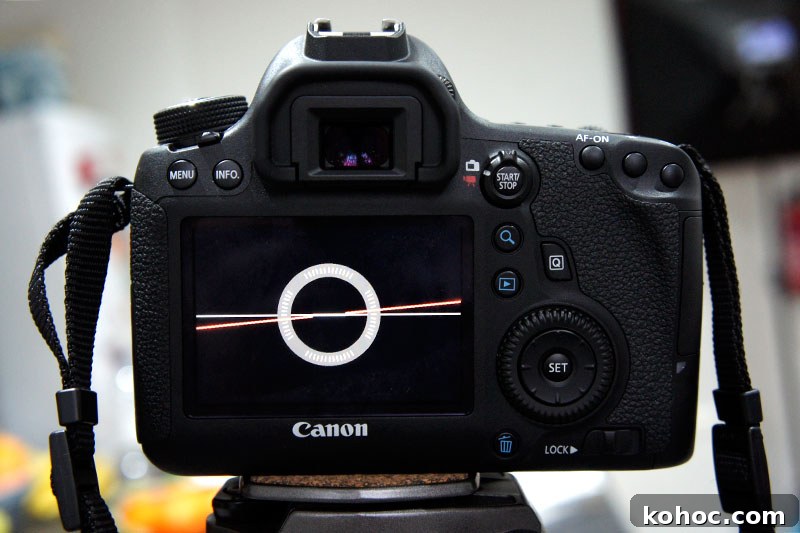
Keep horizons and surfaces level — it’s fundamental. A tilted horizon is an easy rejection. Use a tripod and check your camera or tripod level. Small spirit levels for hot shoes or tripods are inexpensive and useful if your camera lacks a built-in level.
4. Watch those angles
Keep plates and serving dishes positioned thoughtfully. Straight-on or deliberately composed angles work best; awkwardly tilted dishes often read as careless. If you try angled compositions, make sure they’re intentional and complement the frame.
REJECTED: Composition – awkward angle.
SOLUTION: Recompose so elements sit straight or purposefully aligned in the frame.
5. Overhead shots must match your post orientation
If you rotate an overhead image to fit a square or to improve composition, don’t submit it rotated unless it matches the orientation used on your blog post. Foodgawker requires the submitted image to match the post orientation exactly.
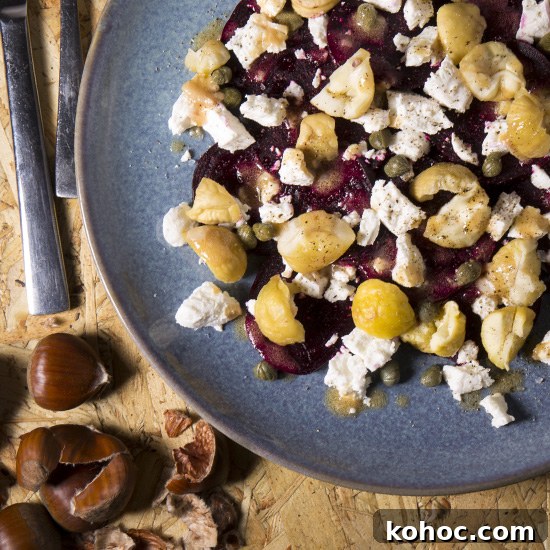
REJECTED: Image orientation differs from post.
SOLUTION: Keep the same orientation as the blog post when you submit.
6. Good kit and attention to detail
Foodgawker expects clear, sharp images. Use a quality camera and lens, avoid distortion, shoot at low ISO where possible, and ensure precise focus, particularly with wide apertures. Sharpness and texture help images read well at thumbnail and full sizes.
REJECTED: Dull / unsharp.
SOLUTION: Nail focus on the key subject and let light define texture and edges.
7. …but the devil is not in the detail
Close-up macros are often rejected. Foodgawker prefers whole-dish shots or images that show most of the serving. For small items include several pieces to illustrate context; for larger dishes include at least 75% of the item in frame.
REJECTED: Composition – too tight.
SOLUTION: Step back to include more of the dish in the frame.
8. The finished article
Submit the finished recipe. Work-in-progress shots rarely pass. Foodgawker wants the final plated product, not mid-cook stages.
SOLUTION: Final, plated dishes only.
9. The recipe is not important to them
Foodgawker is visual-first. They focus on the image rather than the complexity or story of the recipe. That said, a long or involved recipe can still be accepted if the photograph meets their visual criteria. Put effort into both the food and the styling — a beautiful final dish often produces a strong image.
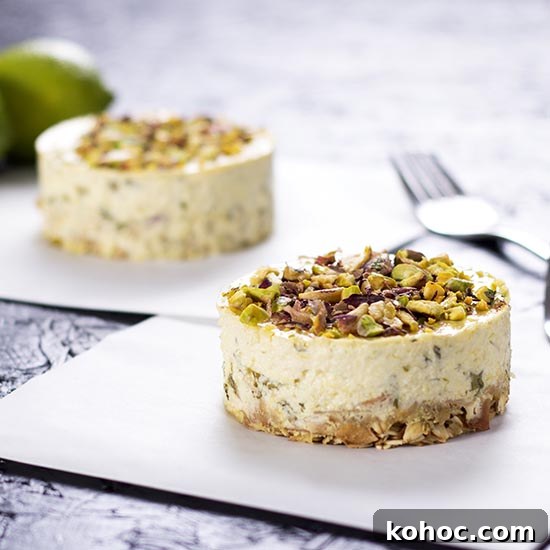
ACCEPTED! A complex recipe can still succeed with the right photo.
10. Be persistent
Sometimes Foodgawker will reject images you think are perfect. Their feedback can be brief and subjective. If you have alternative shots, try them. If not, move on and apply lessons learned to future shoots. Persistence and steady improvement win over time.
REJECTED: Composition – awkward angle.
SOLUTION: Move on, refine your approach, and keep creating.
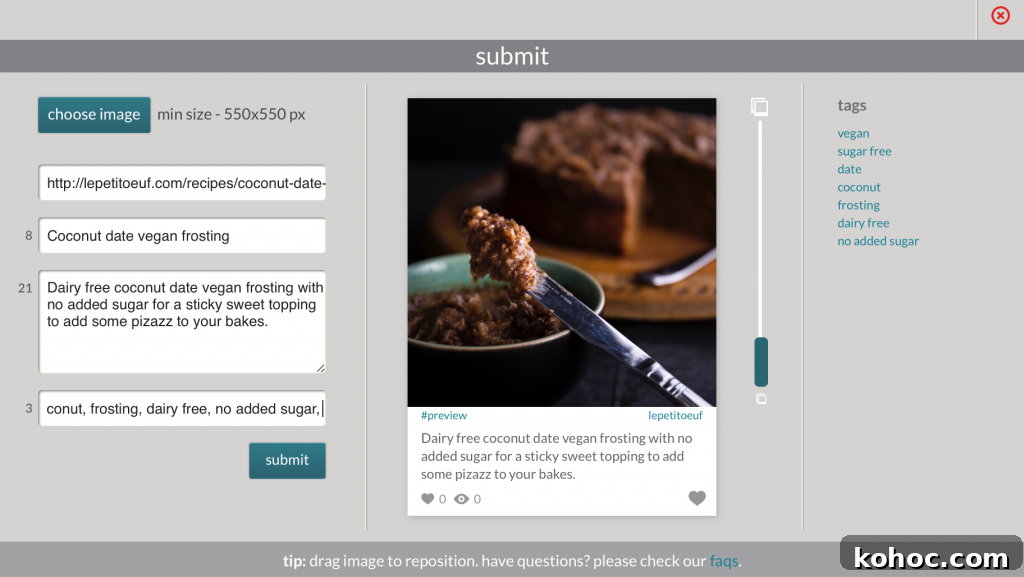
And a final little tip: Screen grabs
After you submit, take a quick screenshot of the submission form. If you get declined and want to resubmit a different image of the same recipe, having the original description and tags saved makes resubmission easier.
Practice makes imperfect
Why don’t I have a perfect acceptance rate? Two reasons. First, I’m human and don’t get everything perfect every time. Second, Foodgawker has a distinct, often magazine-esque look that doesn’t always match my personal style. I experiment, especially in darker, moodier winter images, and some of those won’t fit their aesthetic.
I create content for my own development and enjoyment, not solely to chase submissions. I won’t change my entire style to please a single platform. That said, by studying rejections and attending to the practical points above — technical quality, light control, composition and orientation — you can significantly improve your chances of acceptance.
Join the community today.