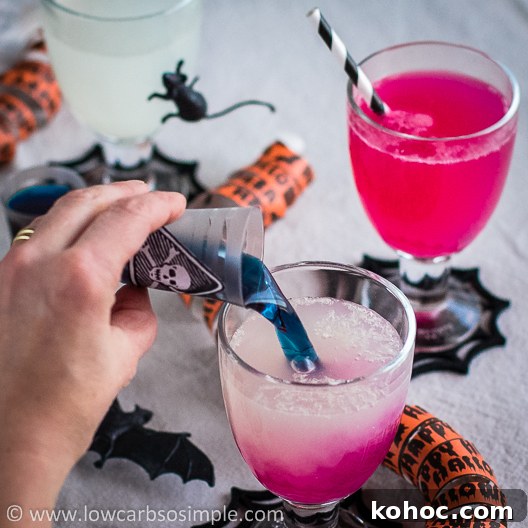
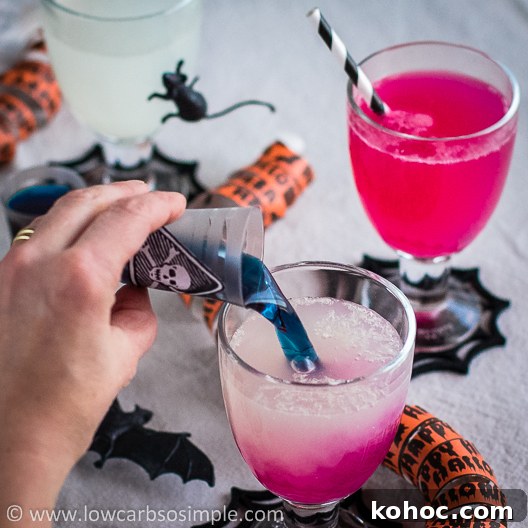
Surprise your Halloween guests with a dramatic, color-changing drink that looks artificially bright but is made entirely from natural pantry ingredients. This simple, fun beverage uses the pH-sensitive pigment in red cabbage to switch colors when acidic and alkaline components are combined. Below you’ll find clear instructions, tips, and variations so you can make this spooky potion with ease.
Tips for making the drink
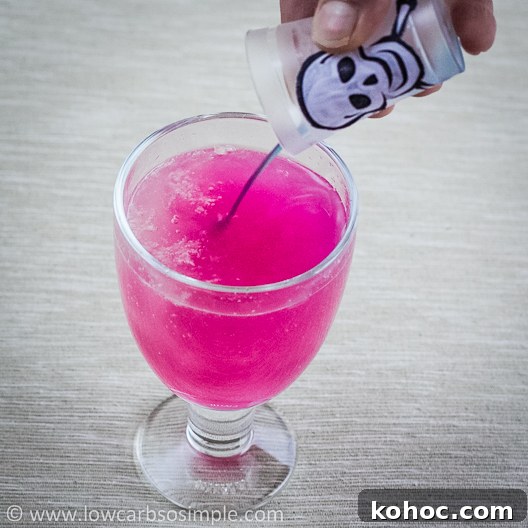
This recipe uses a handful of common ingredients (water is not counted here), and relies on the red cabbage extract as a natural color indicator. The extract turns pink in acidic conditions and blue in alkaline ones. Here we create two parts: a blue alkaline solution (red cabbage extract with baking soda) and a pale acidic solution (lemon or lime juice sweetened with stevia and topped with sparkling water). When the blue portion is poured into the acidic glass, the color transforms into a bright pink—perfect for Halloween theatrics.
Although the drink is easy to prepare, it helps to practice the steps once before serving guests. Follow these directions for a smooth, impressive presentation.
To prepare the red cabbage extract, finely chop 8 oz (230 g) red cabbage. Place the chopped cabbage in a large saucepan and pour 4 cups (950 ml) boiling water over it.
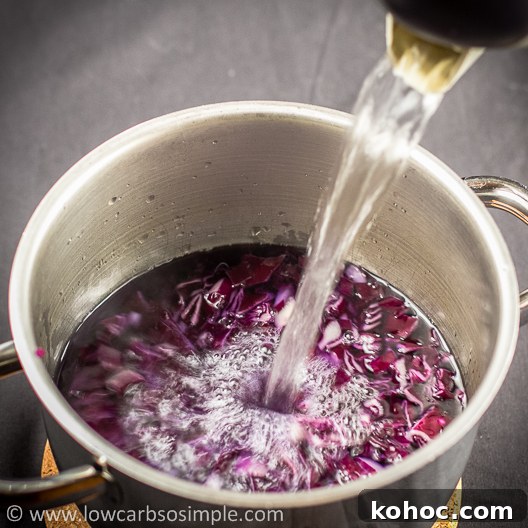
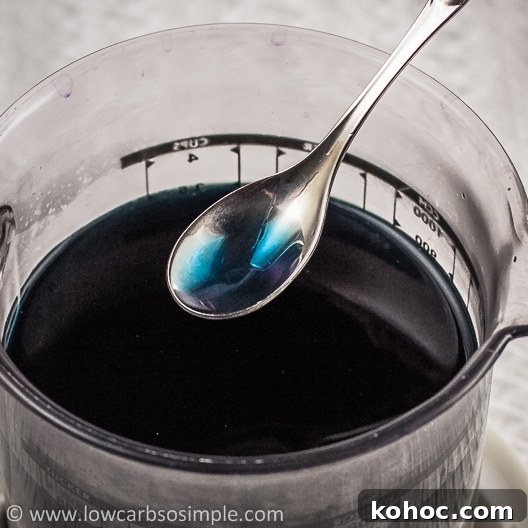
Cover and let the cabbage steep for 15 minutes. Strain the mixture through a sieve into a clean saucepan or container—the strained liquid is your red cabbage extract. Save the leftover cabbage for another use (see the tips section).
Create the alkaline solution by stirring 1 teaspoon baking soda into the warm red cabbage extract. The color should shift to a bright blue.
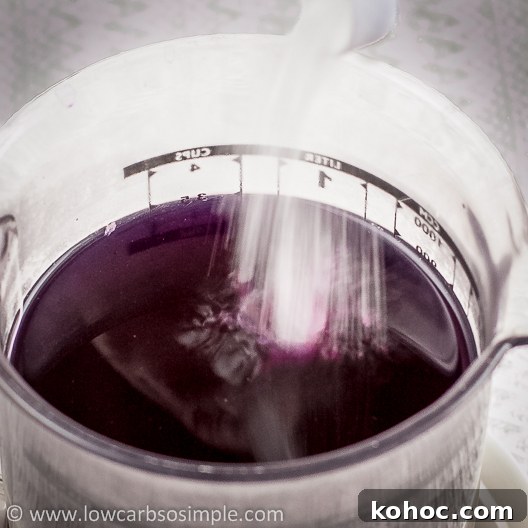
For each serving, pour 2 tablespoons of this blue alkaline extract into a small measuring cup or shot glass. These can be prepared ahead and chilled until serving.
Prepare the acidic portion by combining 1 tablespoon fresh lemon or lime juice with 1 teaspoon lime or orange stevia crystals in a clean glass. Stir until the crystals dissolve.
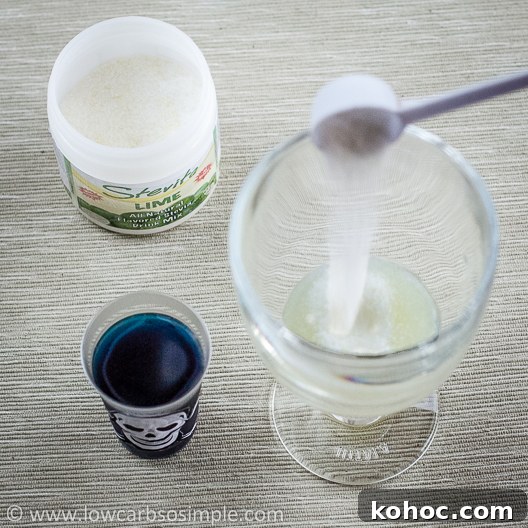
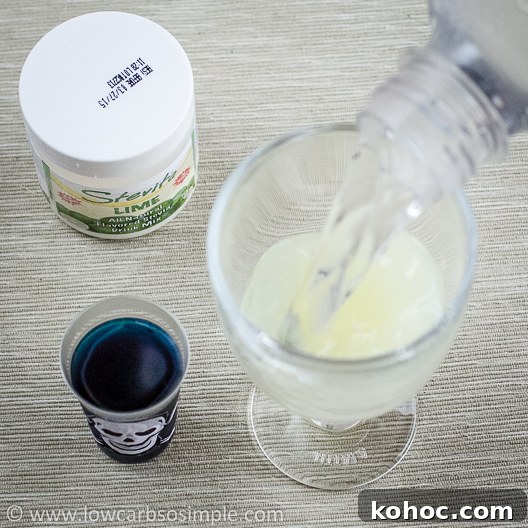
Top the acidic mixture with 1/2 cup (120 ml) cold sparkling water and stir gently.
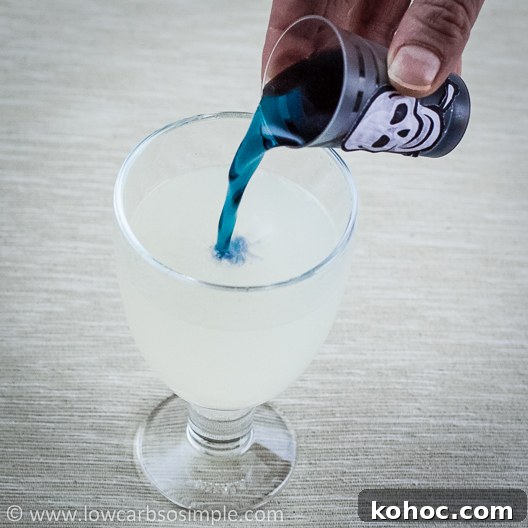
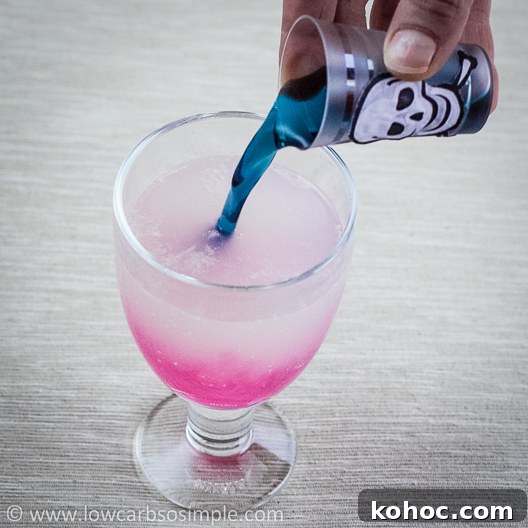
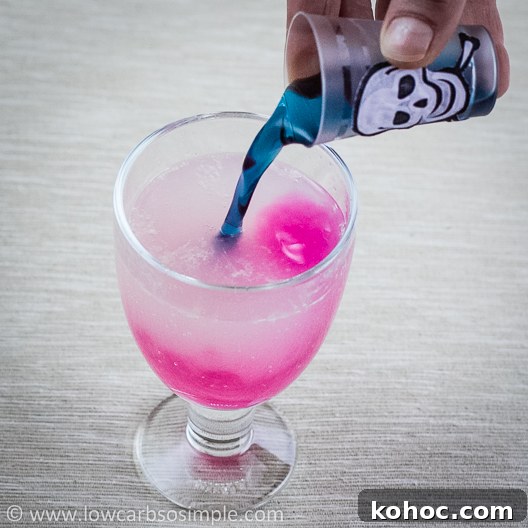
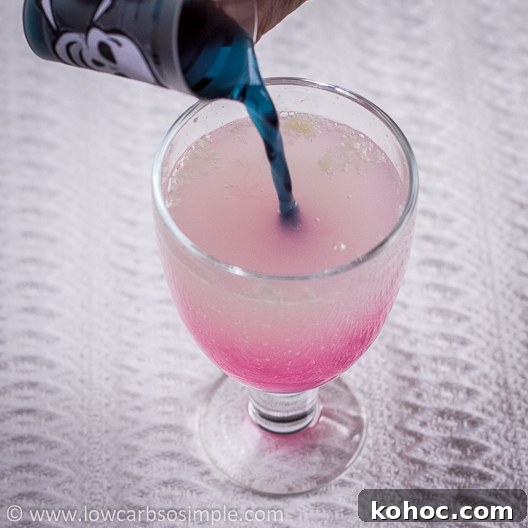
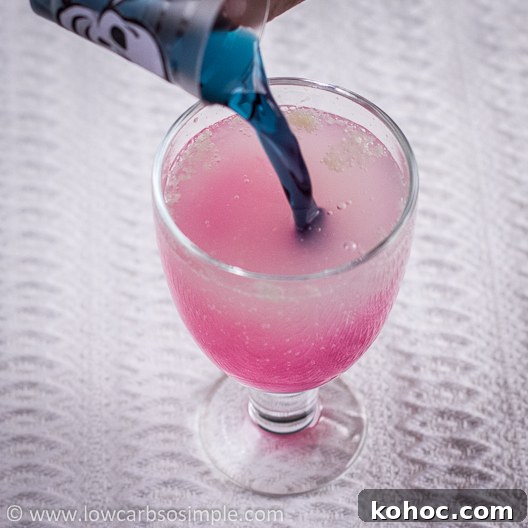
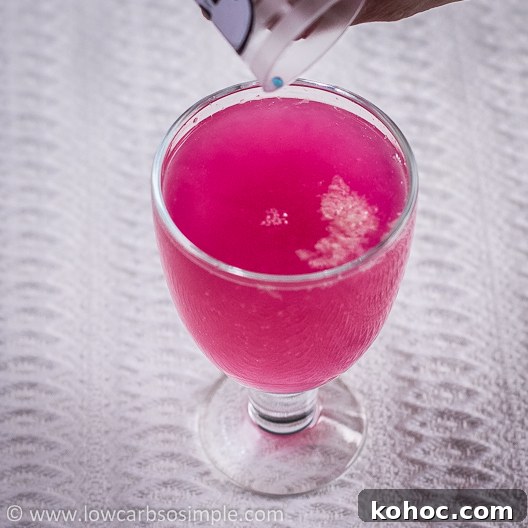
At the table, finish the drink by pouring the blue alkaline extract into the nearly colorless acidic glass and watch the vivid transformation from blue to bright pink unfold.
|
Notes and experiments
I experimented with different ingredients and proportions to balance color and flavor. Blueberry juice was considered but not practical worldwide, so red cabbage made the best natural indicator. Early tests with larger amounts of cabbage produced extracts that were too dark; reducing the cabbage to 8 oz (230 g) in 4 cups (950 ml) water yielded a pleasing color range. Adding the baking soda to the warm extract (rather than to individual cold servings) allowed it to dissolve fully and avoided any noticeable alkaline taste in the finished drink.
Stevia works well as the sweetener: flavored stevia crystals such as lime or orange provide sweetness with minimal color addition, while some flavored liquid stevias (vanilla, cinnamon) can also complement the drink. Avoid stevia flavors that impart strong color or clashing tastes. If using only liquid stevia, increase the citrus to 2 tablespoons per serving and adjust sweetness to taste.
For an adult version, add vodka to the acidic mixture before adding sparkling water—avoid using sweetened spirits. The leftover strained red cabbage can be sautéed as a simple side: fry in olive oil or bacon grease until tender, season with salt, white pepper, a few drops of stevia, and a teaspoon or two of apple cider vinegar.
This vibrant red-pink transformation also makes the drink suitable for other celebrations where red, white, and blue colors are welcome.
Tips for variation
If the drink tastes too tart, add more stevia to reach your preferred sweetness. Flavored liquid stevia like vanilla or cinnamon can add interesting notes. If you omit stevia crystals and use only liquid stevia, use 2 tablespoons lemon or lime juice and sweeten gradually: unflavored liquid stevia is often sweeter than flavored varieties, so adjust amounts accordingly.
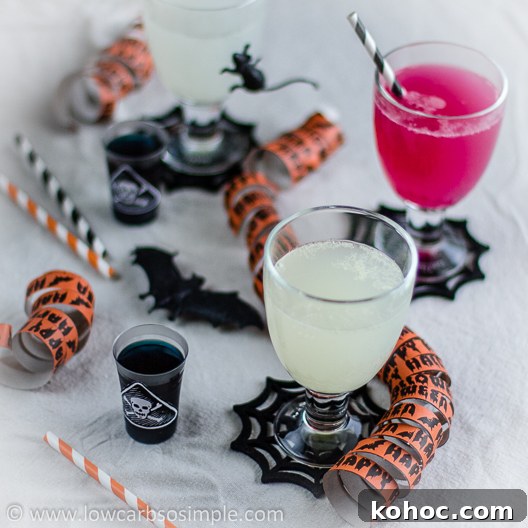
Serve the two parts separately and perform the color change at the table for maximum effect. This recipe is easy to scale and can be prepared ahead—just refrigerate the two components until ready to serve.