
Those of us who love dogs know their behavior can sometimes baffle humans. In this article, experts help explain a range of common, and often puzzling, canine behaviors.
Our family has two of the sweetest, most affectionate dogs you could meet. Sully is a Giant Schnauzer — large, confident and extremely smart. Sunday is our Golden Doodle princess: affectionate, gentle and spoiled in the best way. We’ve always been a pet family, raising our kids with cats and dogs, adopting shelter animals and enjoying a few purebreds along the way. We love them dearly, but they do things that leave us scratching our heads. Here’s what we’ve learned from experts and veterinarians.

Strange Dog Behavior Explained
Keep in mind that many behaviors are only odd from a human perspective. If anything ever worries you, consult your veterinarian for guidance.
Why do dogs kick their feet after they poop?
That dramatic back-kicking is primarily about scent marking and communication. When a dog kicks the ground after defecating, they distribute odor from glands in their paws and spread the scent of their feces, effectively broadcasting information to other dogs. This helps communicate territory, reproductive status and other social signals. In short, it’s a purposeful behavior tied to canine communication rather than random silliness.
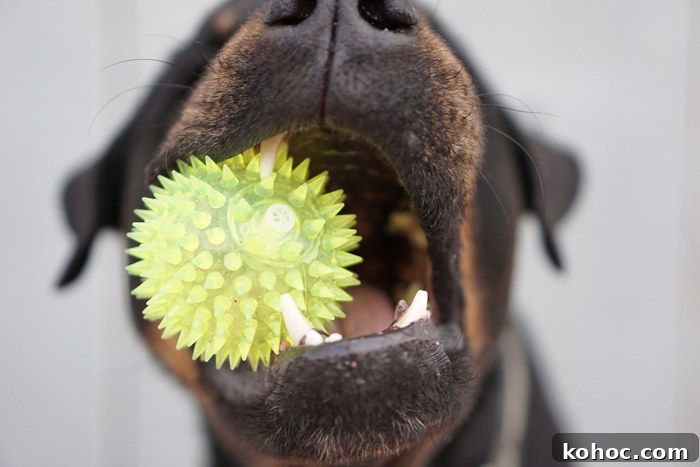
Why do dogs chew on themselves?
Chewing, licking and nibbling at fur can simply feel relieving to a dog, similar to scratching an itch. Causes range from normal grooming behavior to boredom or anxiety, and from minor irritation to skin conditions like allergies or parasites such as fleas. If you notice persistent chewing, redness, hair loss, swelling or sores, schedule a vet visit to rule out medical issues.
Why does my dog ignore me when I call him from the yard?
Dogs explore the world primarily through scent, and their sense of smell is vastly superior to ours. When your dog appears deaf while outside, they’re often focused on gathering scent information: trails, food, other animals and environmental cues. This scent-based immersion can override auditory cues, so patience and training that refocuses attention (using high-value rewards or a recall routine) can help.
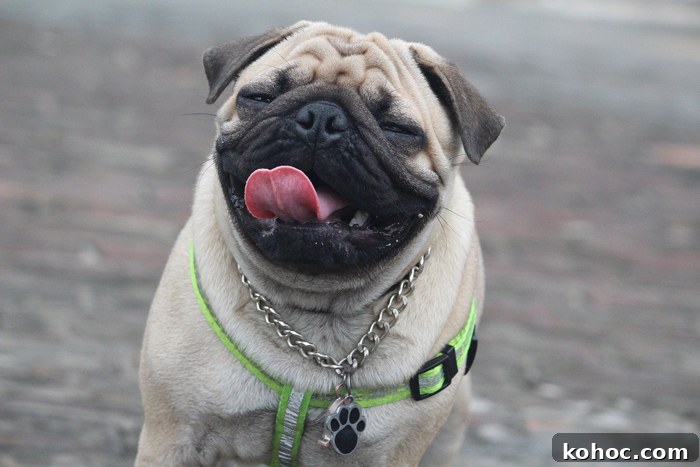
Why does my dog have watery eyes? Is he sad?
Dogs do not produce tears for emotional reasons the way humans do. Watery or teary eyes usually indicate a physical issue: irritation, allergy, foreign material, infection, blocked tear ducts or other medical causes. If tearing is persistent, colored discharge appears, or your dog is rubbing the eye, contact your veterinarian for an exam and appropriate treatment.
Why does my dog eat poop?
Coprophagia (poop-eating) is unpleasant for owners but not uncommon. It can be driven by nutritional deficiencies, a desire to recover undigested nutrients, instinctual scavenging behaviors inherited from ancestors, or even attention-seeking. Addressing diet quality, supervising and redirecting the dog, and consulting your vet can help resolve persistent cases.
Why does my dog react poorly to other dogs?
Some dogs are uncomfortable or reactive around other dogs because they lacked positive socialization during a critical early period, or because their interactions with other dogs were stressful or unpleasant. Genetics, fear, territorial behavior or improper introductions can also play a role. Professional training, gradual desensitization and controlled social exposure can improve social confidence over time.
Why does my dog bark at his reflection?
Dogs often see their reflection and interpret it as another animal because the reflection lacks the scent and typical cues of a real dog. This mismatch can trigger curiosity, alert behavior or defensive barking. Most dogs eventually lose interest, but persistent or anxious responses can be addressed through training and environmental management.
Why does my dog lick my face?
Face-licking has multiple meanings: it can be an instinctive behavior rooted in puppyhood, a social sign of appeasement or deference, a way to gather information (taste and scent), a grooming or affectionate gesture, or simply a way to seek attention. Context matters: the dog’s body language and the situation help reveal the most likely motivation.
Conclusion
What seems strange at first often has a clear explanation rooted in a dog’s sensory world, instincts and social needs. Paying attention to context, health signals and consistent training helps you understand and respond to your dog more effectively.
Have you lost a pet you loved like family?
We understand how devastating that loss can be. Pets leave a lasting impression on our hearts, and remembering them with kindness and care is an important part of grief and healing.