If you’re tired of the strain of a long commute or the stress of running errands by car, consider shifting to a car-lite—or even car-free—lifestyle. Slowing down can mean taking the bus to work, riding a bike to the grocery store, or joining a walking school for your kids.
Choosing alternatives to driving is a simple way to improve daily life and help the planet. The environmental and personal benefits are significant: the typical passenger vehicle produces substantial emissions per mile, so reducing car trips—even for a day—helps air quality. Walking, biking, or using public transit can boost your physical and mental energy, lower transportation costs, and reduce pollution.
Summer is an ideal time to try new habits. Below are practical ways to get started with greener transportation.
Catch the Bus (or Train)
If you’re nervous about taking transit, imagine this: you relaxed while someone else drives. With both hands free, you can check email and get a head start on your workday, or put in earbuds and listen to a podcast or guided meditation. Buses often use expedited lanes during rush hours, and trains bypass traffic entirely, which can shorten commute times. Save more stress by walking the last few blocks to your destination. If it’s your first time riding, plan your route ahead and check multiple departure times so you’re not caught off guard.
Use Your Feet
Walking is a simple, effective way to cover short distances—whether it’s the last quarter-mile from transit to your office or a leisurely stroll into town with kids. On foot you’ll notice neighborhood details and local shops you might otherwise miss. If time allows, stop by a bookstore, grab a cup of tea, or share an ice cream. When possible, cut through a park: spending time in nature can boost mood and help reduce anxiety and depression, especially for city dwellers.
Hop On Your Bike
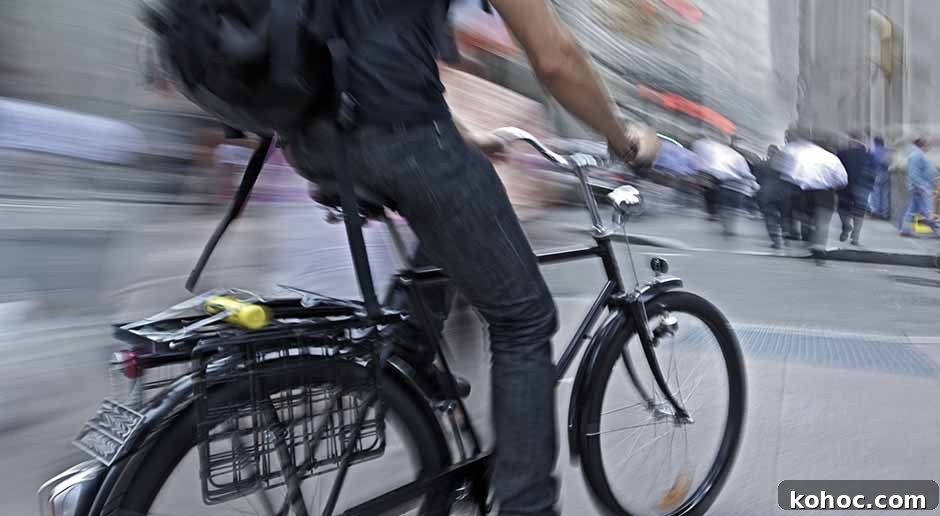
Many communities now provide safer cycling routes to major destinations. Plan routes that use bike lanes and paths as much as possible. If you travel with children, there are many options for transporting them—front- or rear-mounted seats, cargo trailers, and tag-along bikes. Electric bikes (E-bikes) make carrying kids or groceries easier by providing pedal assistance; they can reach typical speeds of up to 20 mph depending on the model and recharging an e-bike’s motor is inexpensive compared with fuel costs.
Join a Carshare
Carsharing offers the convenience of occasional car use without full ownership. Many carshare programs maintain fleets in neighborhoods and cities, allowing members to rent vehicles by the hour or day. These services commonly include insurance, maintenance, and fuel, reducing the responsibilities and costs of ownership. Fleets often include a range of vehicle types—compact cars, vans, trucks, and SUVs—so you can choose the right vehicle when you need one, while keeping everyday life car-lite.
 Through her work at the certified B Corp Cultivation Center, Blair Young supports nonprofits and socially purposed businesses to thrive. Blair and her family travel as much as possible by bike to enjoy life while minimizing their impact on the planet.