
Here are tips and tricks for making the best and easiest homemade butter. Spoiler: you only need one main ingredient.

Homemade Butter
You might wonder why make butter at home. For me there are three clear reasons:
- Cheaper – Store-bought butter can be pricey; heavy or double cream is often more economical per amount of finished butter.
- Easy – The technique is straightforward and requires minimal effort.
- Satisfying – There’s something rewarding about transforming cream into butter with your own hands.
The Magic Ingredient
The only ingredient you need is cream: Cold Heavy Cream (US) or Double Cream (UK). You’ll also want some ice or cold water and fine salt if you prefer salted butter.
Equipment Options
There are several popular methods to make butter. All follow the same basic process:
- Hand mixer (recommended for simplicity)
- Stand mixer
- Food processor
- Mason jar (shake method)
All methods work by agitating the cream until it separates into solid butter and liquid buttermilk.
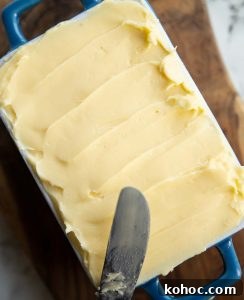
How to make Butter
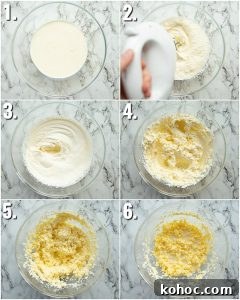
Whip the cold cream past stiff peaks and beyond whipped cream. Continue until the mixture begins to clump and then separates: the solids are butter and the liquid is buttermilk.
Don’t waste the Buttermilk!
Buttermilk is a useful by-product. Save it for baking, marinating, or making dressings and dips.
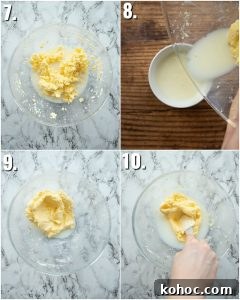
Removing the Buttermilk
When the butter has fully separated, pour off the buttermilk into a bowl. Use a spatula to press the butter against the bowl to squeeze out as much liquid as possible.
Rinsing with Ice Water
Rinse the butter with ice water (or very cold water) to help remove remaining buttermilk. Gently fold and press the butter in cold water, drain, and repeat until the water runs clear. This reduces spoilage and improves shelf life.
Storage
Seal the butter tightly and refrigerate. You can also freeze it and thaw in the refrigerator when needed.
Shelf Life
Properly rinsed and drained homemade butter will keep about 3–4 weeks in the fridge. If buttermilk remains trapped in the butter it can spoil faster, so take time to remove as much liquid as you can.
Ways to Use Homemade Butter
Use it on toast, grilled cheese, or sandwiches, or flavor it with herbs, garlic, or honey to make flavored butter variations.
If you want other condiments, try making mayonnaise next.
Below are clear, practical instructions for several methods so you can choose the one that suits your kitchen.
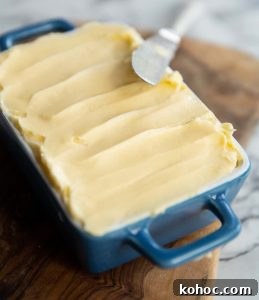
How to make Butter (Full Recipe)

Homemade Butter
Equipment
- Spatula
- Stand mixer or hand mixer
- Large bowl
- Food processor or mason jar (optional)
Ingredients
- 2 cups / 500 ml cold Heavy Cream (US) or Double Cream (UK)
- Fine salt, to taste (optional)
- Ice water, as needed (about 1 cup)
Instructions
Hand Mixer
- In a large bowl, whip the cold cream until it passes stiff peaks and begins to clump into small lumps. Continue until the mixture separates into butter solids and buttermilk.
- Pour off the buttermilk into a bowl and use a spatula to press the butter against the bowl to squeeze out liquid.
- Add ice water, gently press and fold the butter to remove remaining buttermilk, then drain. Repeat until the water runs clear.
- Season with a pinch of salt if desired and store tightly covered in the fridge.
Mason Jar
- Pour the cold cream into a mason jar, seal tightly, and shake vigorously. Keep shaking until the cream breaks and butter forms.
- Pour out the buttermilk, transfer the solids to a bowl, and rinse with ice water, pressing out liquid until it runs clear.
- Salt to taste if desired and store in the refrigerator.
Stand Mixer
- Whisk the cream on low, increase to medium, and continue past stiff peaks until the cream separates. Switch to a paddle if needed to finish separation.
- Pour off buttermilk, rinse the butter with ice water, pressing out all liquid until clear, then season and store.
Food Processor
- Process the cream until it moves past whipped cream and breaks into butter and buttermilk. Pour off the liquid.
- Transfer solids to a bowl, rinse with ice water and press out remaining buttermilk. Repeat until clear, season, and store.
Notes
a) Cream – Use high-fat cold heavy or double cream. The higher the fat content, the more butter you’ll get. Milk or non-dairy alternatives will not work.
b) Storage – Properly rinsed butter keeps in the fridge up to one month. Ensure all buttermilk is removed to prevent early spoilage.
c) Variations – Mix in fresh herbs, garlic, or honey for flavored butter.
d) Buttermilk – Reserve the buttermilk for baking, marinades, or dressings. From 2 cups of cream you’ll get roughly 1 cup of buttermilk. Store it sealed in the fridge for 2–3 days.
e) Calories – Nutritional values are calculated based on 2 cups of heavy cream divided into 16 servings and assume no added salt.
Quick Demo
Nutrition (per serving)
If you enjoyed this homemade butter recipe, pin it for later. Have questions or feedback? Leave a comment below.