Losing weight and keeping it off is more than a short-term change in eating habits—it’s a long-term shift in how you eat and live. Start by building a permanent weight-loss pantry stocked with wholesome, minimally processed foods that help you feel and look your best.
What is Clean Eating?
Clean eating means choosing non- or minimally processed foods to avoid excess salt, sugar, unhealthy fats, and chemical preservatives. Making this shift can feel overwhelming, so take small steps: replace one pantry item each week. For example, swap white flour for whole wheat flour one week, then trade refined sugar for unrefined options like honey the next. Gradual changes help you and your family adapt to healthier habits and can be easier on the budget.
As you shop for clean eating foods, read nutrition labels carefully. Items that look healthy may contain added salt or sugar—for example, some canned beans include added sugar. Opt for dry beans or canned varieties labeled “no sugar added.”
The Weight Loss Pantry
Whole Grain Foods
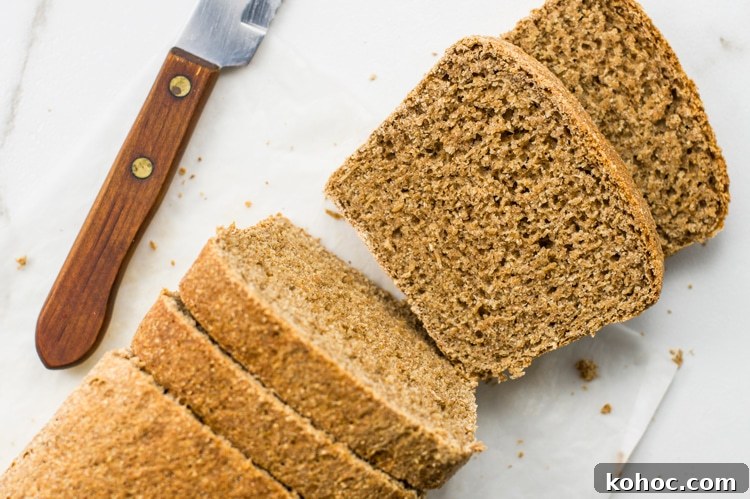
Replace white rice, white pasta, and other refined grains with nutrient-dense, fiber-rich whole grains to support fullness and steady energy.
- Whole Wheat Bread
- Whole Wheat Pasta
- Brown or Wild Rice
- Oats
- Quinoa
- Whole Wheat Flour
- Whole Wheat Pastry Flour
Beans
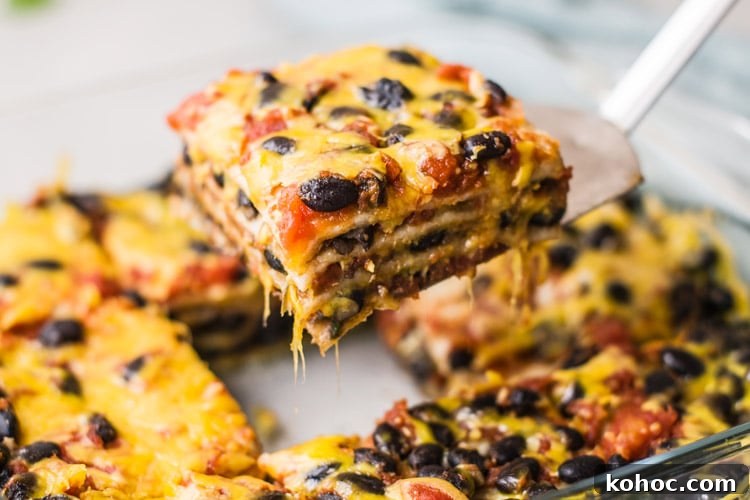
Beans are budget-friendly, nutrient-dense, and an excellent source of plant-based protein and fiber—ideal for weight-loss-friendly meals.
- Black Beans
- Cannellini Beans
- Chickpeas
- Kidney Beans
- Pinto Beans
Sweeteners
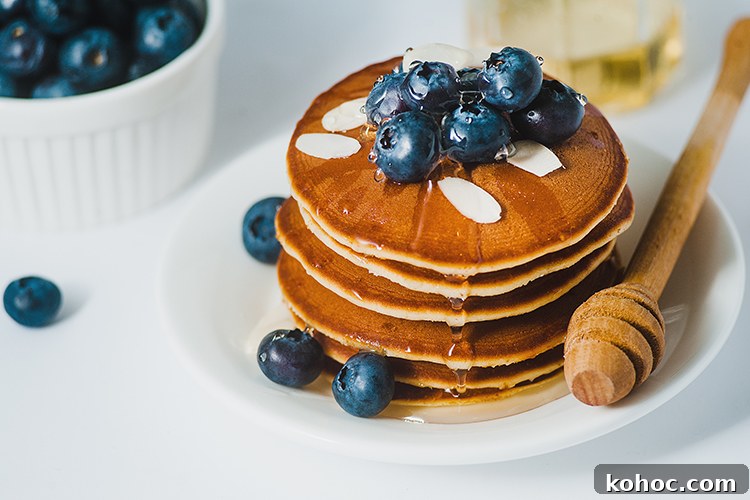
Use unrefined sweeteners in moderation during weight loss and afterward. These alternatives can provide flavor while helping avoid highly processed sugars.
- Coconut Palm Sugar
- Honey
- Molasses
- Stevia (a no-calorie, plant-derived sweetener)
Snacks
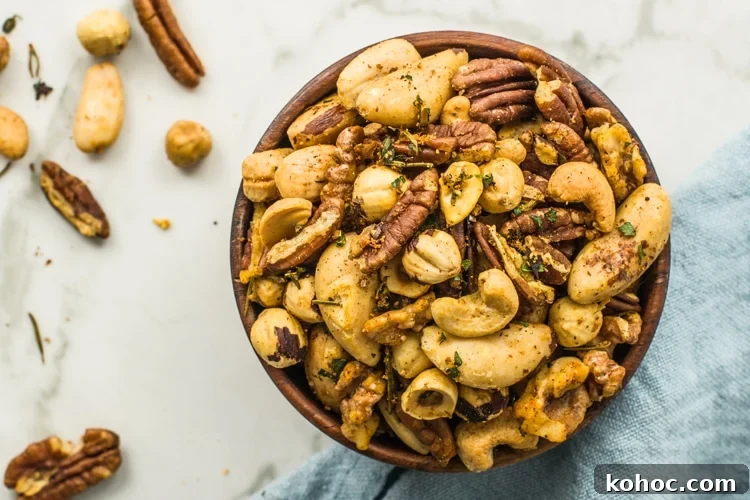
Many processed snacks contribute excess calories and little nutrition. Replace them with simple, clean options that satisfy hunger without unnecessary additives.
- Air-popped organic popcorn or popping corn
- Dried fruit (choose no-sugar-added varieties)
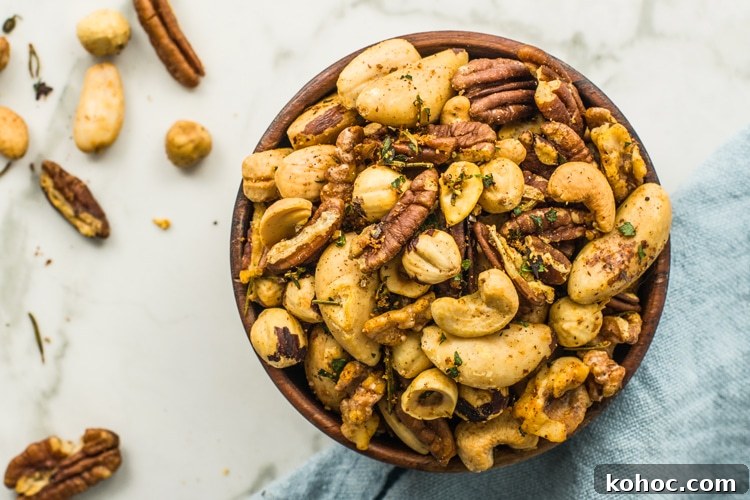
- No-salt, no-added-oil nuts such as almonds, walnuts, and pecans
- Raisins (dark or golden)
Seeds
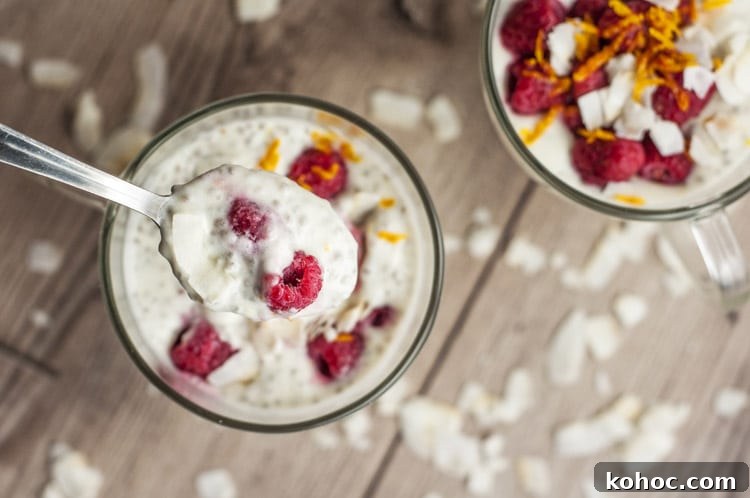
Seeds are an easy way to add nutrients, fiber, and healthy fats. Sprinkle them on salads, into yogurt, in smoothies, or use them in baking.
- Chia Seeds
- Flax Seeds
- Pumpkin Seeds
- Sunflower Seeds
Clean-Eating Condiments and Toppings
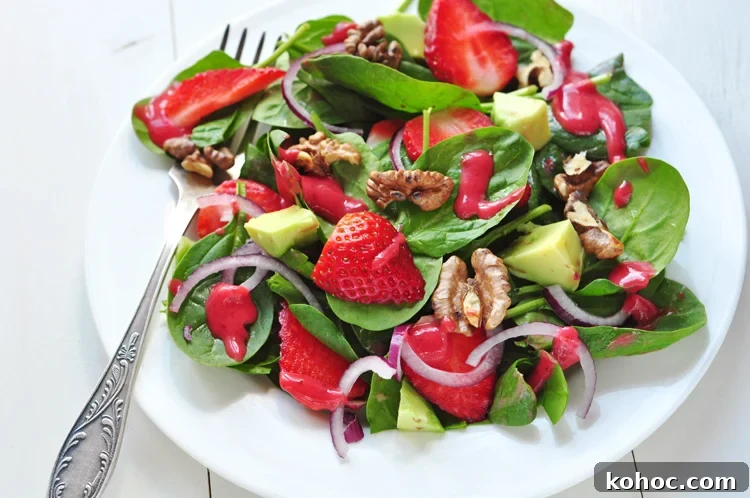
- Balsamic Vinegar
- Extra-Virgin Olive Oil
- All-natural Peanut Butter (no added sugar or oils)
- Red Wine Vinegar
Spices
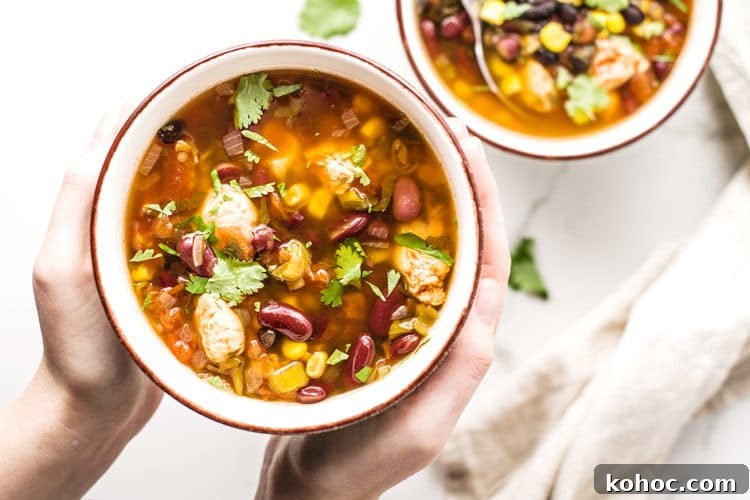
A well-stocked spice collection helps you create flavorful meals without heavy sauces or added salt. The following spices are commonly used in clean-eating recipes and pair well with whole foods.
- Basil
- Black Pepper
- Cinnamon
- Chili Powder
- Cumin
- Crushed Red Pepper
- Dried Parsley
- Ginger
- Kosher or Sea Salt (use sparingly)
- Rosemary
- Thyme
Stock your pantry with these clean eating staples and use them as the foundation for nutritious meals and snacks. Small, consistent changes will add up to lasting progress and a healthier lifestyle.