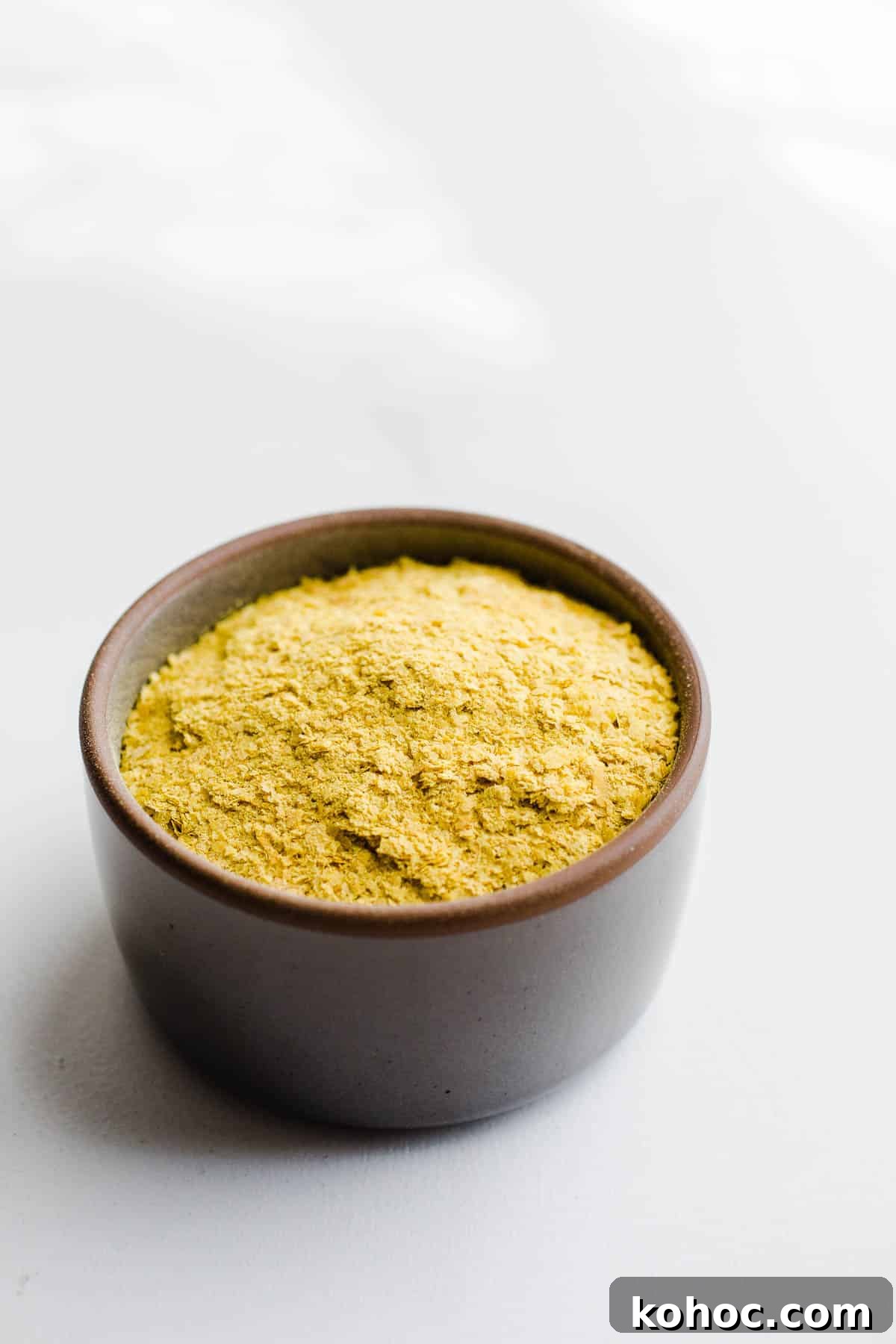
Nutritional yeast is prized for its cheesy, savory flavor and is used in many savory dishes. But is it gluten-free?
Is nutritional yeast gluten-free? In short, yes.
Pure nutritional yeast does not contain gluten. The yeast itself is derived from naturally gluten-free ingredients, but some commercial products may include added ingredients or be at risk of cross-contamination during production.
What is nutritional yeast?
Nutritional yeast is an inactive form of Saccharomyces cerevisiae. While the same species is used as baker’s and brewer’s yeast, nutritional yeast is grown, harvested, and heat-deactivated to produce yellow flakes or a powder with a nutty, cheesy flavor.
It is often grown on molasses or cane sugar, then cleaned and dried. The finished product—commonly called “nooch”—is popular with vegans and vegetarians as a cheese substitute and flavor enhancer.
Beyond its taste, nutritional yeast is valued for its array of nutrients, including B vitamins, minerals, and protein.
Is it safe for Celiac disease?
In its pure form, nutritional yeast is gluten-free. However, manufacturing processes vary, and some brands add ingredients or process products in facilities that handle gluten-containing grains.
When produced and packaged without cross-contamination, nutritional yeast is appropriate for people with celiac disease, non-celiac gluten sensitivity, or gluten intolerance.
To be safe, check ingredient lists and allergen statements for any mention of gluten or shared equipment. If cross-contamination is a concern, choose products labeled or certified gluten-free or made in dedicated gluten-free facilities.
Types
Nutritional yeast is available as flakes, powders, or granules—the flaky and powder forms being most common. Options include:
Unfortified – No added vitamins or minerals.
Fortified – Additional vitamins (often B vitamins) are added to boost nutritional value, which can be helpful for people on plant-based diets.
Flavored – Seasoned varieties that include herbs, spices, or other flavorings such as garlic or chili.
Uses
Nutritional yeast has many culinary uses that fit well within a gluten-free lifestyle:
Cheese substitute – Adds a cheesy, savory note to pasta, pizza, popcorn, salads, and more.
Seasoning – Enhances umami depth in soups, stews, sauces, and dips.
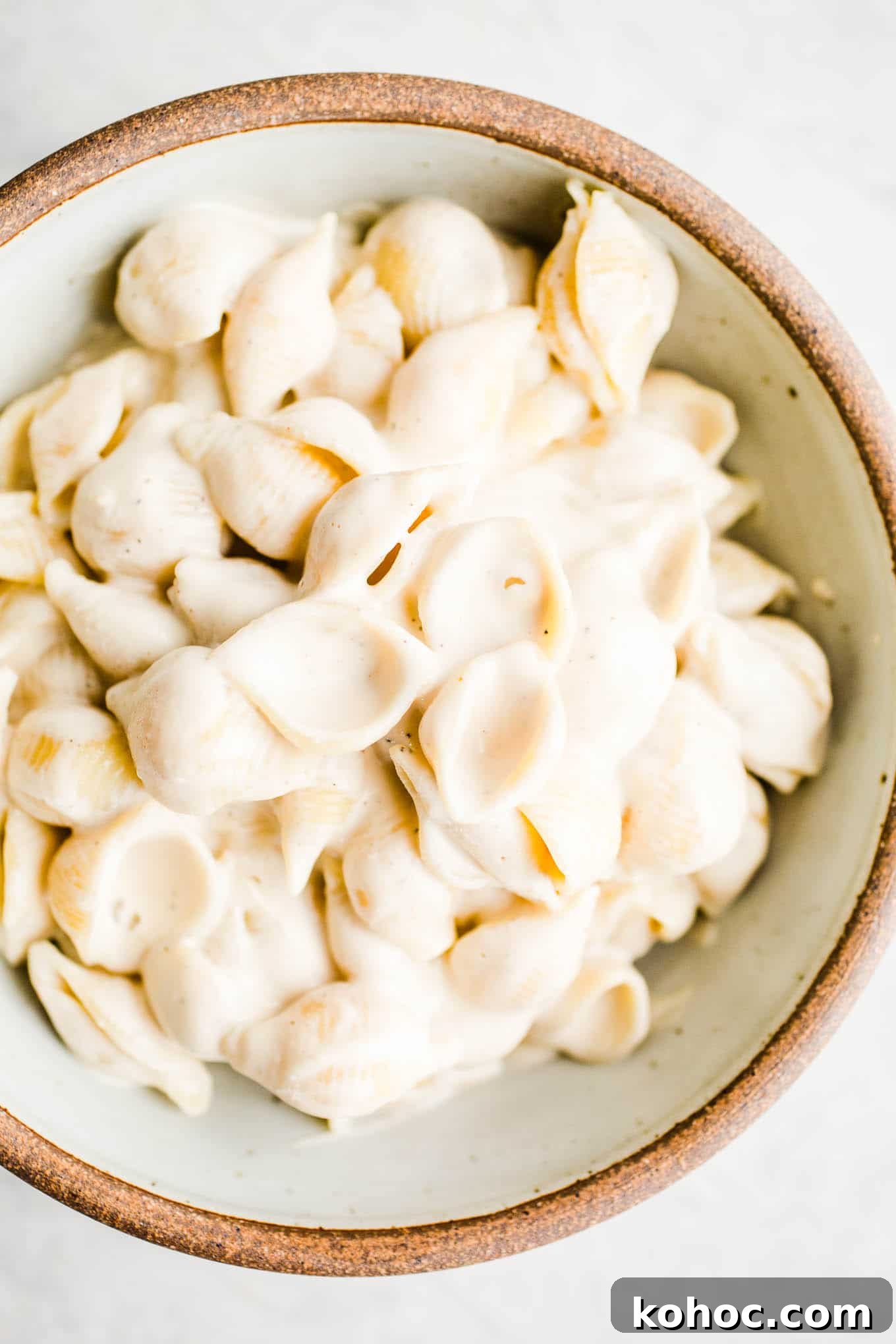
Sauces and dressings – Common in vegan cheese sauces, creamy salad dressings, and pestos to achieve rich, creamy textures without dairy.
Baked goods – Used in some recipes for savory breads, pizza dough, rolls, and vegan bakes to boost flavor.
Health benefits
When used in moderation, nutritional yeast offers several nutritional benefits. It provides dietary fiber, protein, and is often rich in B vitamins. It can also contain minerals such as zinc, selenium, magnesium, copper, and iron—nutrients that support energy production, metabolism, and immune function.
Many fortified products supply extra B12, which is especially useful for those following vegetarian or vegan diets. The flakes are also considered a complete protein, containing all nine essential amino acids.
Brands
Although nutritional yeast is naturally gluten-free, some brands may be produced in facilities that handle gluten or may add gluten-containing ingredients. Always review product labels and allergen statements for the most accurate information.
Examples of brands that are often noted as certified gluten-free or produced in gluten-free facilities include:
- Bob’s Red Mill
- Anthony’s Goods (batch-tested)
- Red Star
- Sari Foods
Other widely available brands that typically do not use gluten-containing ingredients include:
- Bragg’s
- 365 by Whole Foods
Helpful tips
- Check the brand’s website or label for current allergen and manufacturing information—this is usually the fastest way to confirm gluten status.
- When cross-contamination is a concern, look for a clear gluten-free label or certification, or contact the manufacturer directly.
- Don’t assume ingredient lists tell the whole story: A product may be free of gluten ingredients yet still be processed in a facility that handles wheat or other gluten-containing grains.
FAQs
No. Nutritional yeast does not naturally contain monosodium glutamate (MSG). Its savory, umami flavor comes from naturally occurring glutamates, not added MSG.
No. Nutritional yeast does not require refrigeration. Store it in a cool, dark place; refrigeration can extend shelf life but is not necessary.
Nutritional yeast is commonly used as a substitute for cheese, Parmesan, breadcrumbs, and creamy or savory flavorings in vegan and dairy-free recipes. It can also help bind and enrich textures in plant-based dishes.
Conclusion
Nutritional yeast is generally gluten-free and can be a versatile, nutrient-rich addition to many recipes. Because manufacturing and ingredient practices vary, people with celiac disease or severe gluten sensitivity should verify labels and choose certified gluten-free products when necessary.
More recipes with nutritional yeast
- Dairy Free Queso Blanco Dip
- Gluten Free Cheez Its (Vegan)
- Gluten-Free Seasoned Pretzels (Vegan)
- Easy Dairy-Free Spinach Artichoke Dip
Please note: Always check labels as some manufacturers include gluten or process products in facilities that handle wheat. This article highlights common gluten-free products but is not exhaustive and does not replace medical advice. Consult your healthcare provider for guidance specific to your health needs.