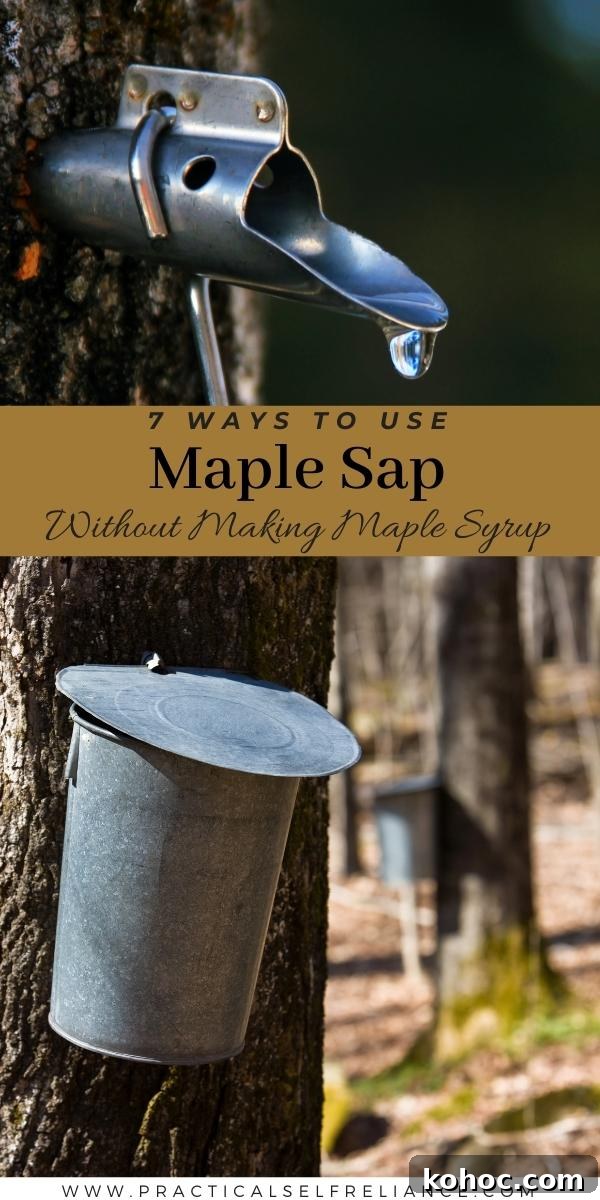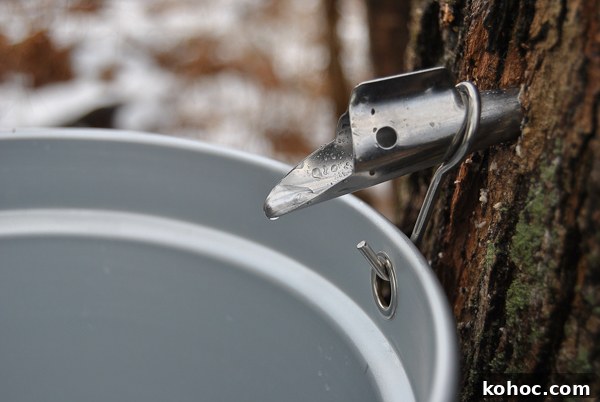
Maple sap can be used to make a variety of tasty and useful things even if you don’t have an evaporator. Boiling sap into syrup takes time and energy, but tapping backyard trees is an enjoyable project whether or not you turn the sap into syrup.
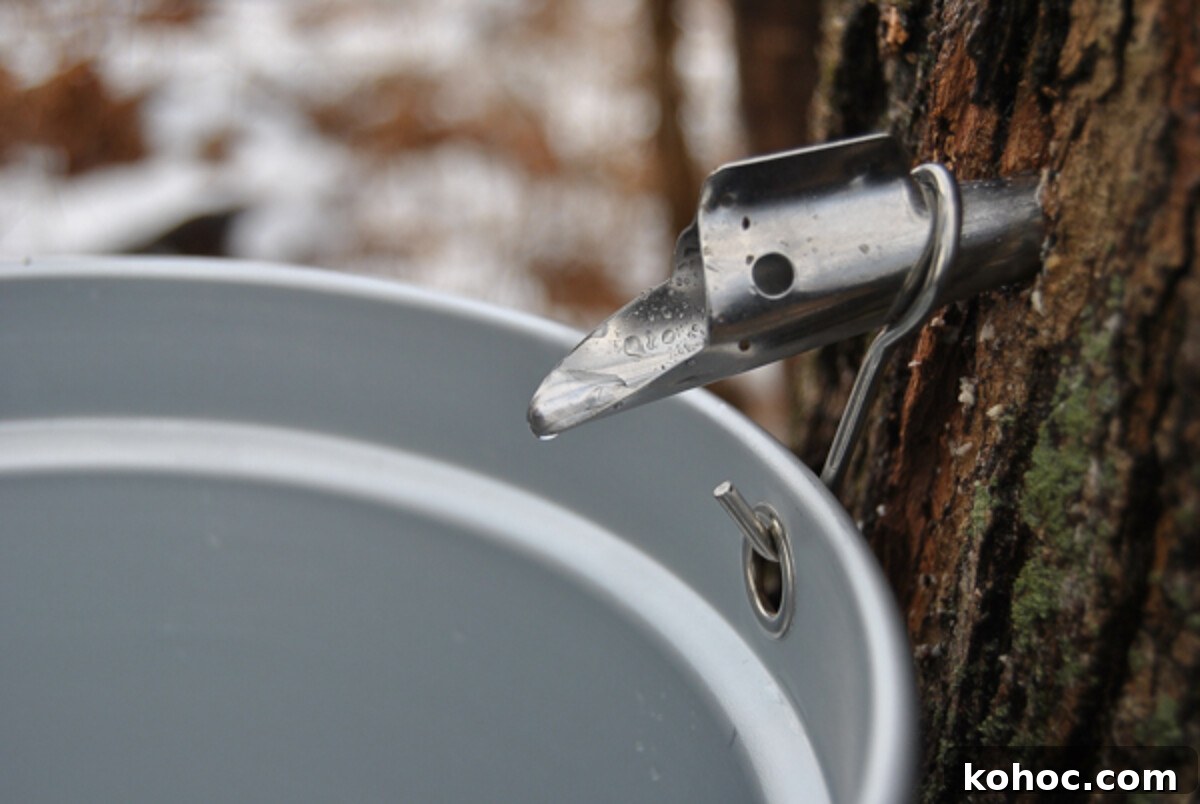
Vermont is famous for its maples and produces thousands of gallons of maple syrup each year. Still, many people tap trees simply for the experience and for the fresh sap rather than to make syrup.
Tapping maple trees is straightforward compared to syrup-making. With a basic tree tapping kit you can collect sap and experiment with many culinary uses.
Some people enjoy drinking sap straight from the tap; kids often love sampling the sweet drips. Beyond sipping it fresh, maple sap has many culinary applications and can add a subtle sweetness and mineral note to recipes.
Using Tree Sap
Maple sap is pleasant and mildly sweet on its own, and you don’t need to turn it into syrup to appreciate tapping season. While it’s possible to make syrup without an evaporator, drinking and cooking with sap are simpler ways to enjoy the harvest.
Maple isn’t the only tree that yields usable sap. At least two dozen species can be tapped for sweet sap or syrup, including birch, ironwood, butternut, and black walnut.
Sap flavor varies by species. Birch sap tends to be fragrant and rich in fructose, while beech gives a butterscotch-like note and ironwood can carry warm, cardamom-like tones. Nut-tree saps produce richer, nuttier flavors. These characteristics are noticeable even in fresh sap, at a much lower concentration than in finished syrups.
Any tappable tree’s sap can be used to make drinks, fermented beverages, or to enrich cooked dishes. Below are practical and enjoyable ways to use maple sap.
Drinking Maple Sap
Fresh maple sap is pleasant straight from the tree, with sugar levels around 1–3%—just lightly sweet and distinctly maple. Since sap reduces roughly 40:1 to become syrup, about 40 gallons of sap yields one gallon of syrup. Put another way, roughly 2 1/2 cups (20 oz) of sap equals about one tablespoon of syrup.
Because it’s much less sweet than sodas, sap makes a refreshing, mineral-rich drink. Some people briefly boil sap to sterilize it, but many drink it fresh. Keep in mind sap ferments quickly, so use it within about 24 hours or refrigerate to slow fermentation.
Sap Seltzer and Soda
Carbonating sap makes a delightful seltzer. You can carbonate sap at home with a simple countertop carbonator to make a lightly flavored seltzer or, with a splash of syrup, a sweeter soda. Natural fermentation is also an option—use water kefir grains, a ginger bug, or a small amount of baker’s or brewer’s yeast to create a naturally fizzy beverage.
Maple Coffee or Tea
Replace water with maple sap when brewing coffee or tea for a subtle sweetness and mineral complexity that complements the drink. Simply use sap in your coffee maker or kettle for a seasonal twist on your usual cup.
Maple Sap Wine and Mead
Maple sap can be fermented into wine or used in mead-style recipes. Substituting maple syrup or sap into traditional mead or wine processes creates unique beverages; some call these maple wine or maple mead. You can also substitute sap for water in beer recipes to impart a distinctive flavor. Fermentation opens many creative possibilities with sap as the base.
Sap Vinegar
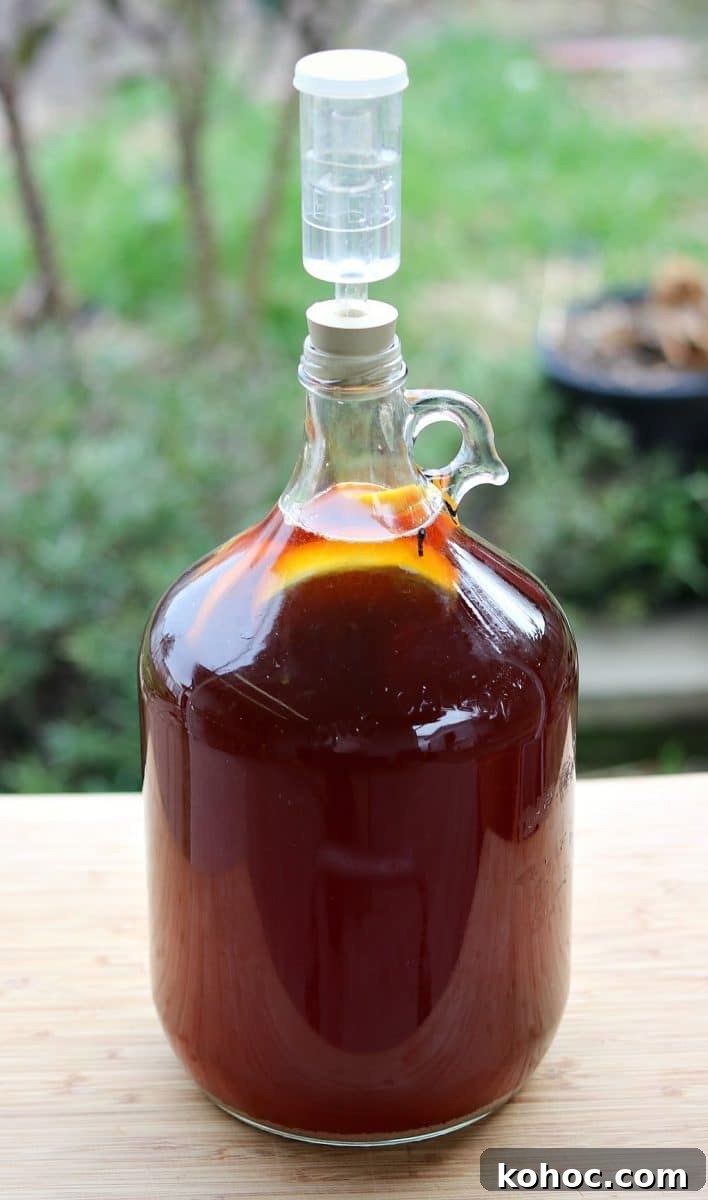
Fermented sap can be turned into vinegar by allowing alcohol to convert to acetic acid under the action of acetic bacteria. To produce a stable, usable vinegar you may need to raise sugar or alcohol levels—adding maple syrup or a neutral spirit can help ensure the final vinegar is strong enough to keep. With the right process, maple sap vinegar makes a delicate, tangy condiment.
Maple Sap Marinade and Salad Dressing
Use sap as a light, flavorful base for marinades and dressings. Its gentle sweetness and mineral notes pair well with roasted vegetables, grilled meats, and vinaigrettes. Combine sap with oil, acid (like vinegar or citrus), and seasonings for an easy, flavorful dressing or marinade.
Cooking with Maple Sap
Traditionally, sap served as a braising liquid for meat and spring vegetables. Rather than reducing it to syrup, cooks would simmer ingredients in sap until the flavors concentrated and infused the dish. Today you can use sap anywhere you would use water—braise meats, simmer soups, or poach vegetables for a subtle maple note.
Sap works especially well with root vegetables; for example, slow-cooking carrots in sap brings out their sweetness and creates a seasonal bridge between winter stores and spring produce. Use sap as the cooking liquid for butternut squash soup, grains, or any recipe that benefits from a light natural sweetener and added minerals.
Foraged Food Recipes
If you enjoy using wild foods, here are a few other recipe collections to explore:
- 70+ Venison Recipes
- How to Make Birch Bark Flour
- 12+ Ways to Use Chokecherries
- How to Make Acorn Flour
- 40+ Wild Plants You Can Turn into Flour