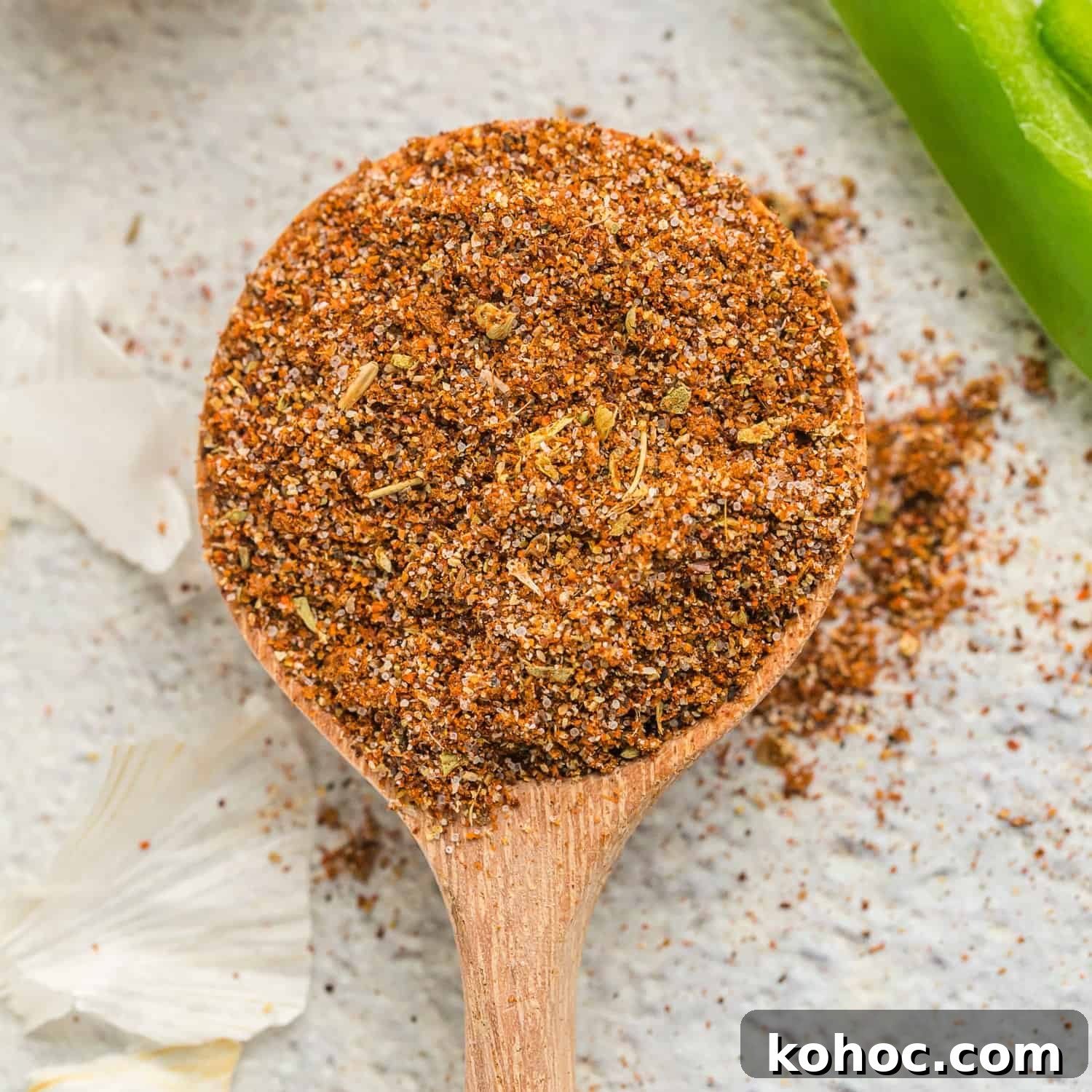
Recipe Overview
Why you’ll love it: Make fresh fajita seasoning at home in minutes using pantry staples. This homemade blend avoids the additives and excessive salt found in many store packets, and it delivers brighter, fresher flavor.
How long it takes: 5 minutes
Equipment you’ll need: measuring spoons, small jar or airtight container
Servings: Makes about ⅓ cup (use 2 teaspoons per pound of meat)
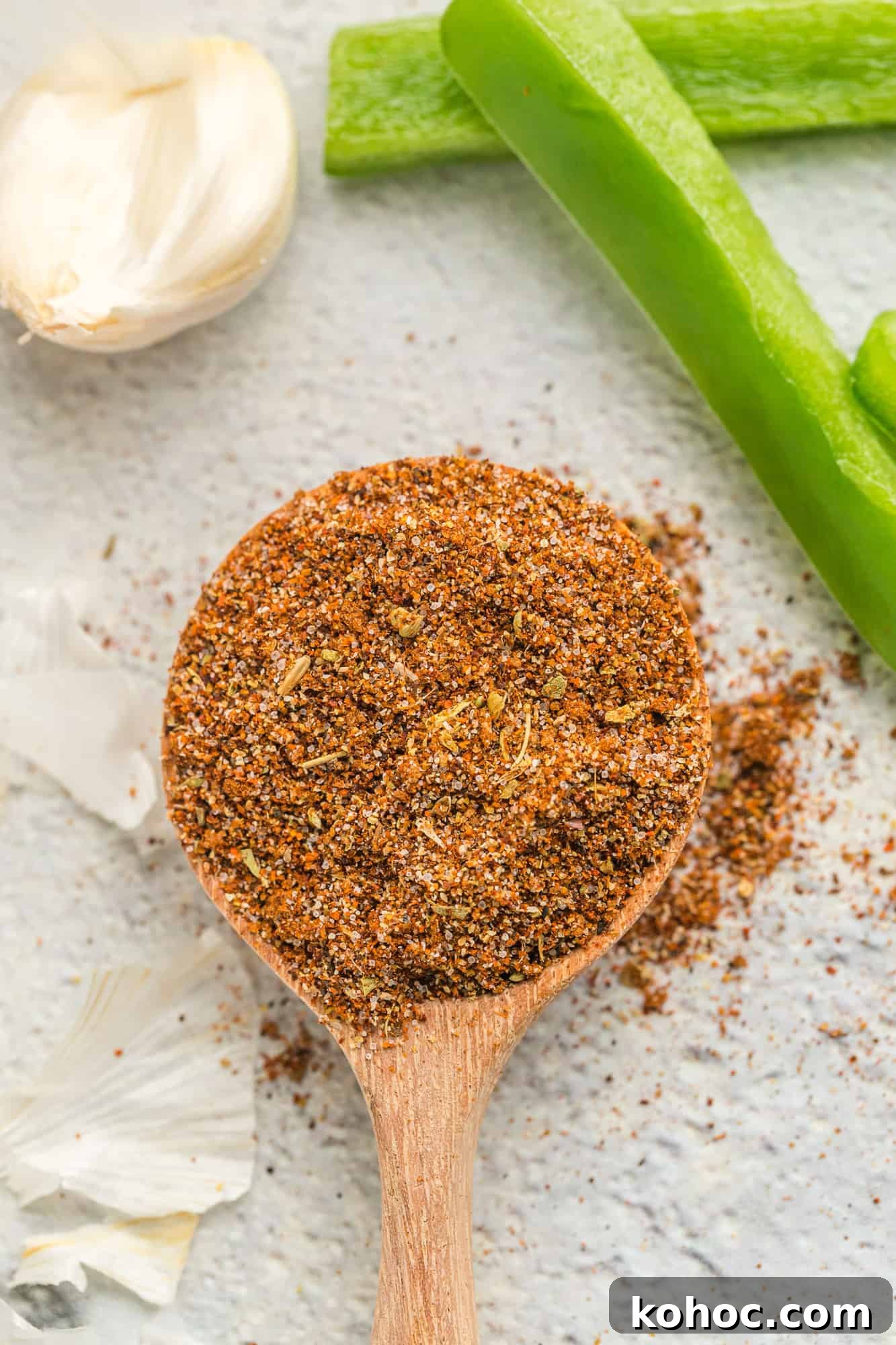
I’ve been simplifying my kitchen routine by returning to basics: reading ingredient labels, choosing whole foods when possible, and making simple spice blends from scratch. Homemade seasoning is an easy change that improves flavor and control over what goes into your food. When time is tight I don’t stress about shortcuts, but for a quick, five-minute project I usually mix spices myself.
Simple practices I try to follow:
- Read ingredient and nutrition labels carefully—this matters for health and, in my case, food allergies.
- Make spice mixes at home to avoid additives and customize flavor.
- Move my body regularly and choose unprocessed foods when I can.
Rosemary S Said:
This fajita seasoning was the perfect blend of spices and made our fajitas taste like restaurant-quality!
Why Make Homemade Seasoning
Healthier. Homemade mixes let you skip anti-caking agents and unfamiliar additives. You control the salt level and the quality of each spice.
Better flavor. Freshly measured spices make a more vibrant, layered seasoning than many prepackaged mixes. A quick taste test shows homemade blends shine compared with most packets.
Fast and flexible. Most blends take five minutes or less. Letting kids help with shaking a jar can turn it into a small kitchen activity that builds confidence and interest in cooking.
Great on many foods. This fajita seasoning works on chicken, steak, shrimp, fish, vegetables, and even roasted squash. It’s equally suited to grilled, pan-seared, or oven-cooked preparations.
Ingredient Notes
- Chili Powder: Some brands include salt—check the label and reduce added salt in the recipe if needed.
- Salt: Adjust to taste; making your own blend allows full control over sodium.
- Paprika: Sweet paprika is common and mildly sweet; use smoked paprika for a smoky note.
- Brown Sugar: A touch of sugar helps with caramelization on meat and veggies; omit or swap coconut sugar for special diets.
- Ground Black Pepper: Freshly ground is ideal; finely ground pepper is more intense, so add cautiously.
- Onion & Garlic Powder: These are dehydrated and concentrated—don’t confuse with onion or garlic salt.
- Mexican Oregano: If unavailable, regular oregano is an acceptable substitute.
- Ground Cumin: This adds the classic warm, earthy note often associated with Tex‑Mex flavors.
- Cayenne Pepper: Controls heat—start small and increase to taste.
How to Make Fajita Seasoning
The method is straightforward: combine, mix, and store. Measure the spices into a bowl or jar, stir or shake until evenly blended, then transfer to an airtight container.
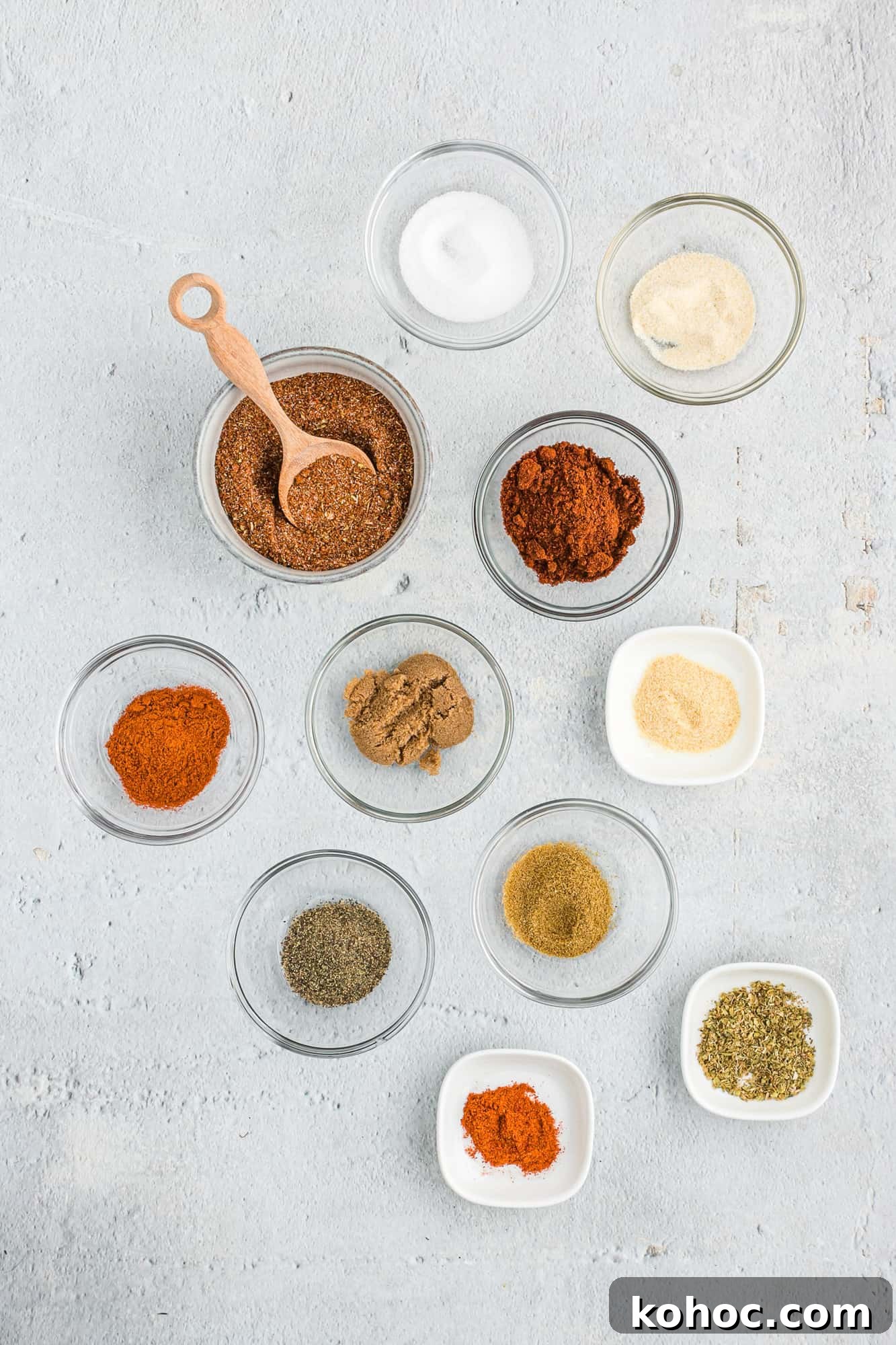
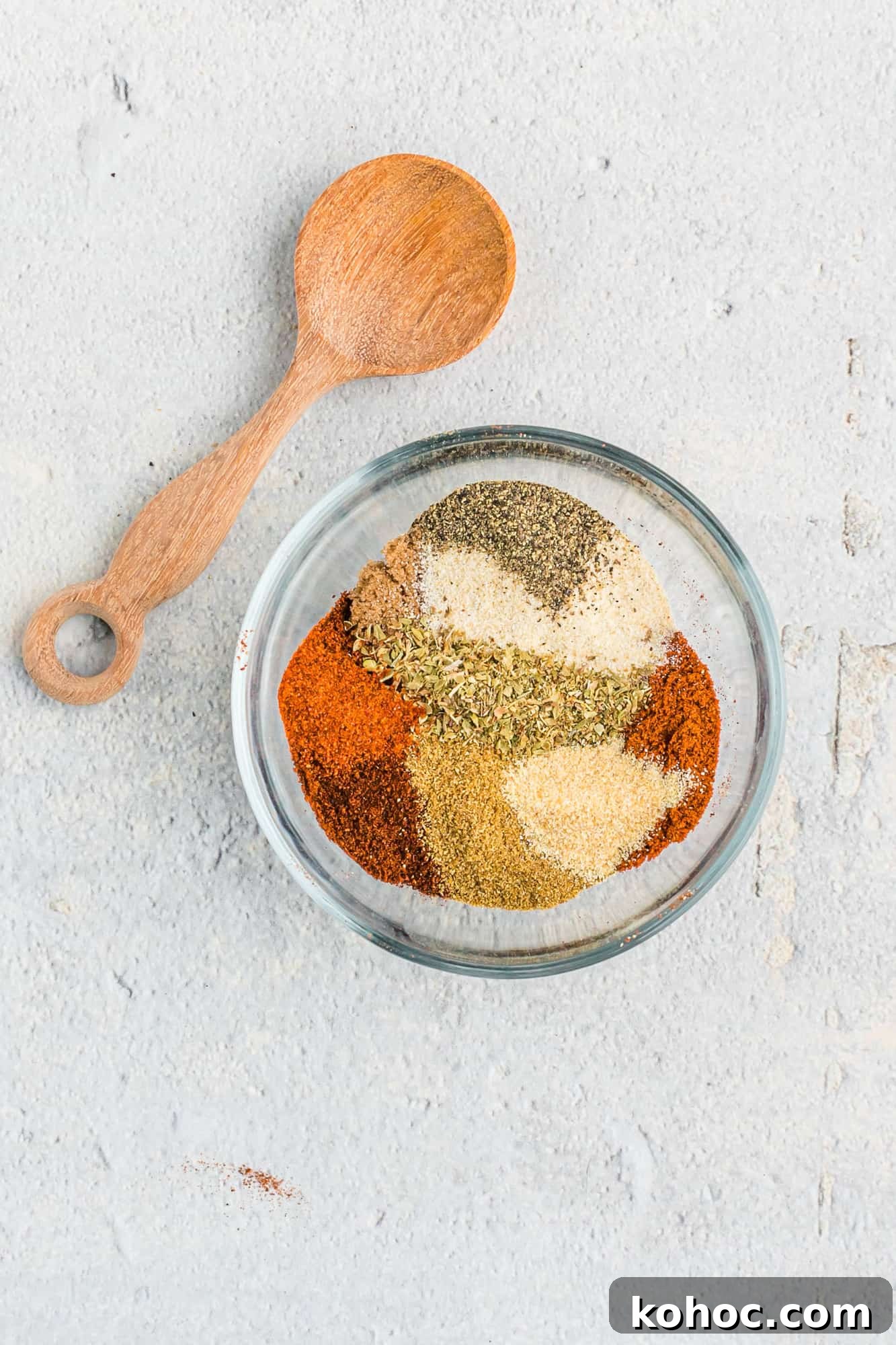
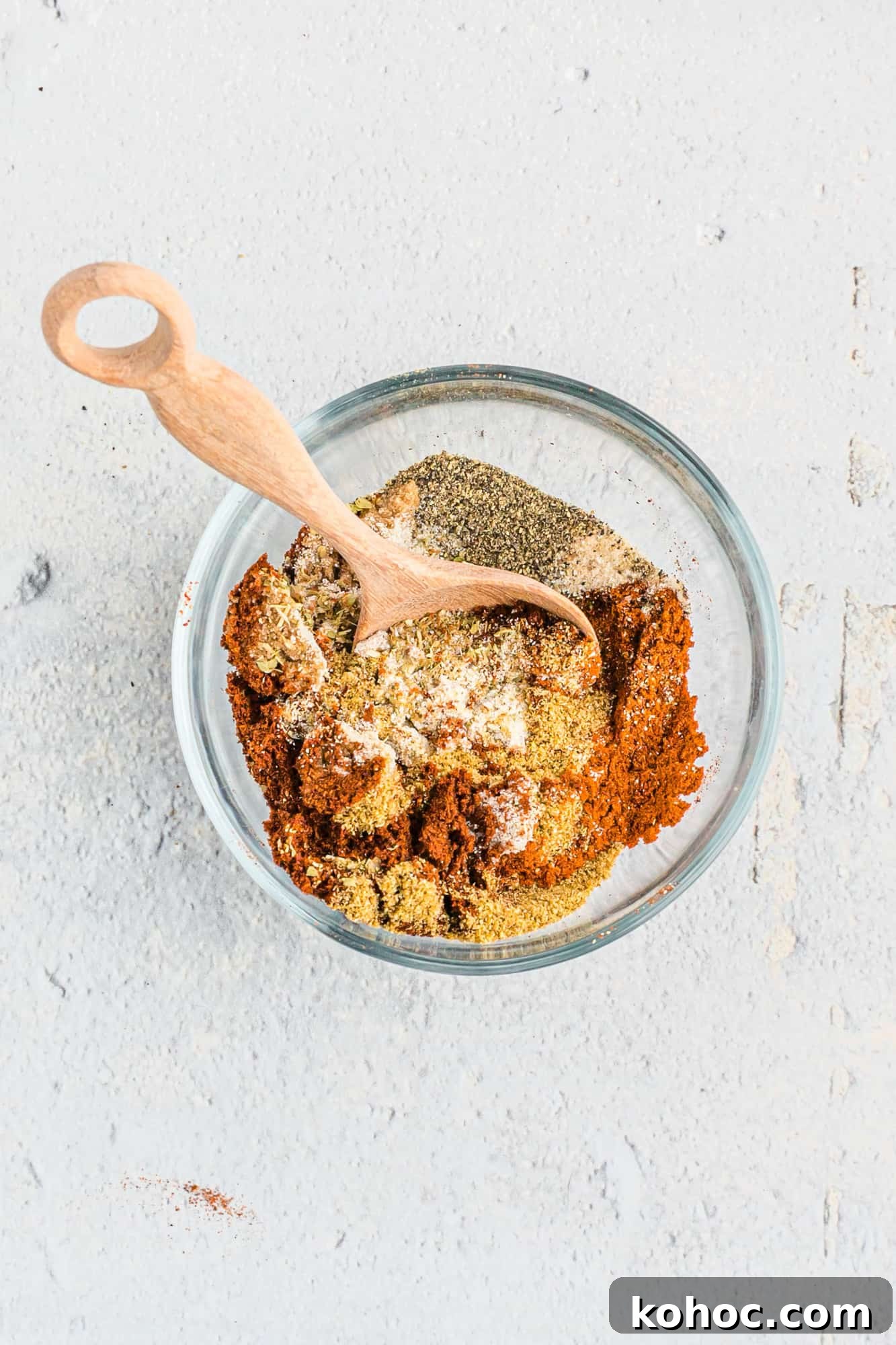
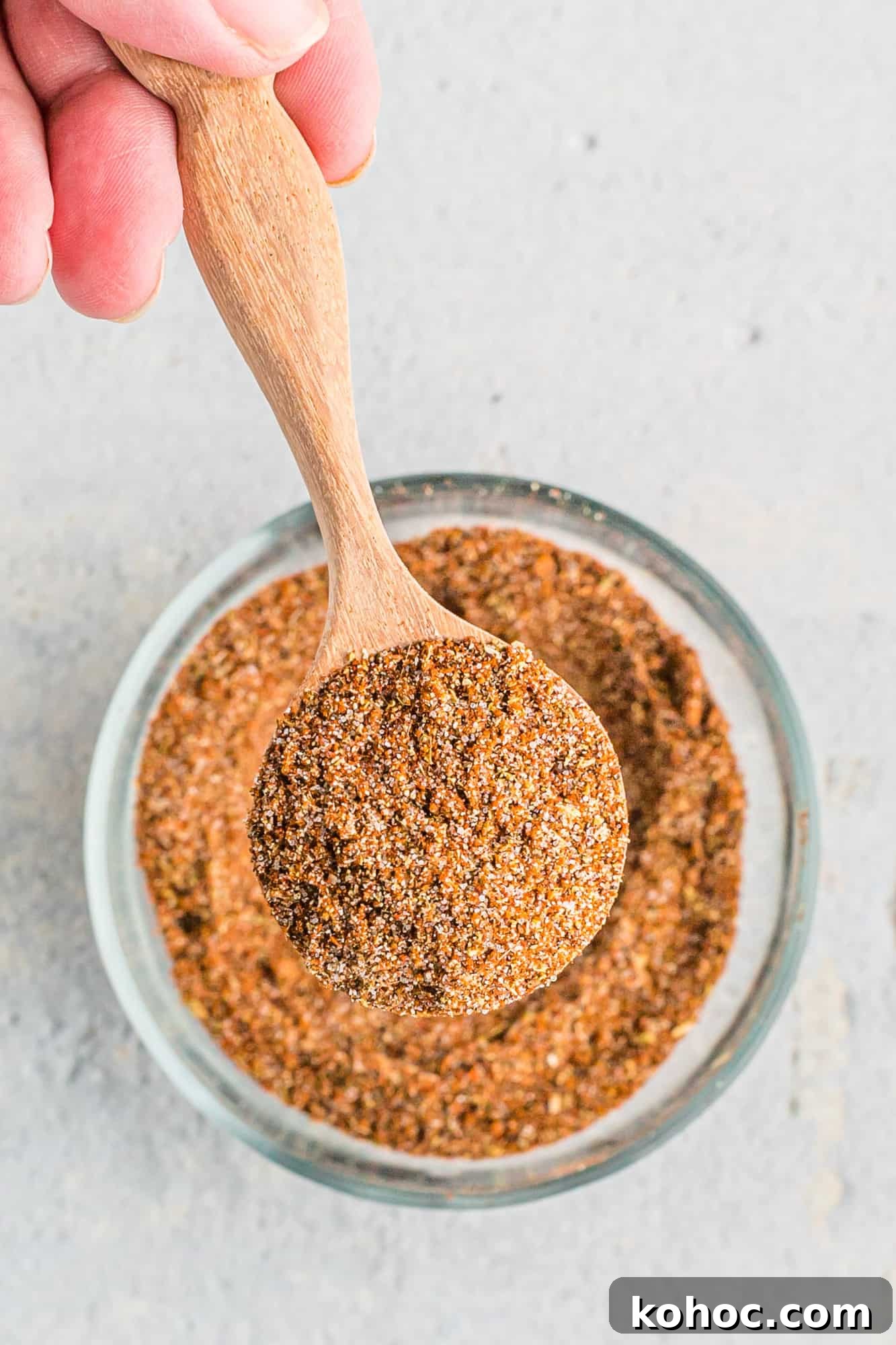
Use about 2 teaspoons of the mix per pound of meat. Rub it onto the meat or toss with vegetables before cooking. Adjust quantity to your taste preferences.
FAQs
Fajita seasoning is often a bit milder and may include a touch of sugar to encourage caramelization on grilled meats and vegetables. Taco seasoning can be more robust and spicier depending on the blend. Both can be adjusted to taste.
Fajita Toppings
Popular toppings include shredded cheese, sour cream, salsa, and guacamole. Fresh pico de gallo, pickled red onions, sliced avocado, chopped cilantro, and a squeeze of lime brighten the plate.
Recipe Variations
Homemade seasoning is flexible—customize it to suit your preferences or dietary needs. Here are a few modifications you can try:
- Fajita marinade: Combine 2 tablespoons of this seasoning with 2 tablespoons olive oil, 3 tablespoons lime juice, 1 tablespoon Worcestershire sauce, and minced garlic. Marinate meat for at least 30 minutes.
- Lower sodium: Reduce or omit salt in the blend if you need to limit sodium.
- Milder heat: Reduce or omit cayenne for a gentler spice level.
- Special diets: Replace brown sugar with coconut sugar for a paleo-friendly version, or omit sugar for Whole30 or keto.
Storage Tips
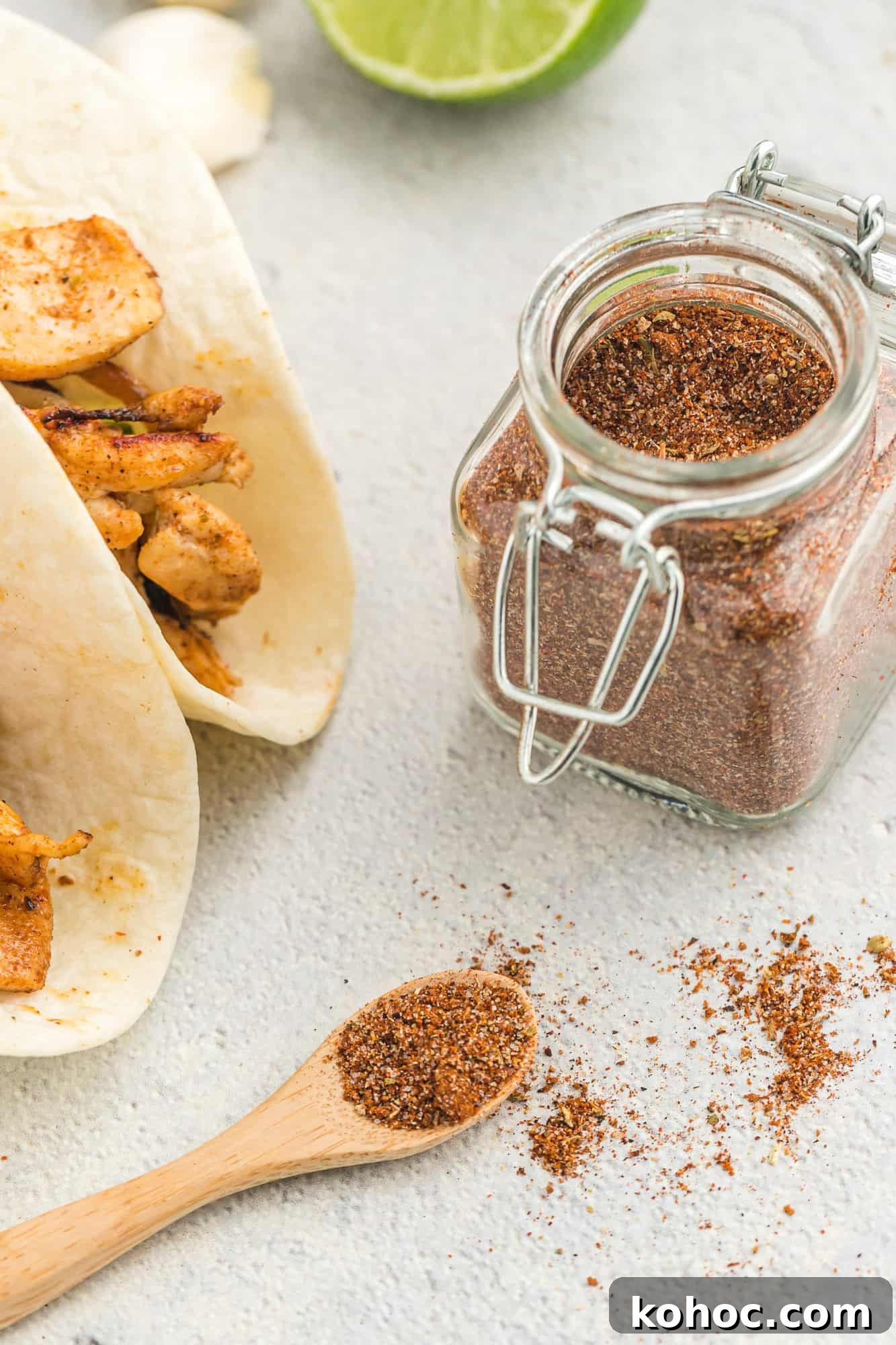
Store the blend in a small, airtight jar in a cool, dark place. Small canning jars or recycled spice jars work well. Properly stored, the seasoning will hold quality for at least a year, though flavor is brightest within the first 6–9 months.
DIY Seasoning
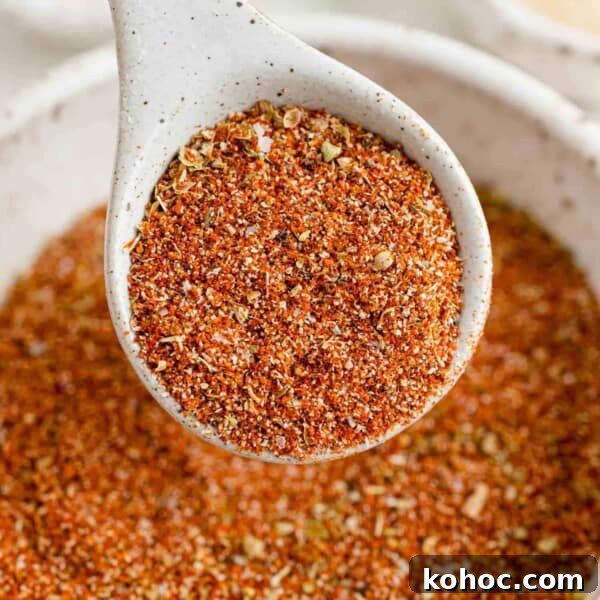
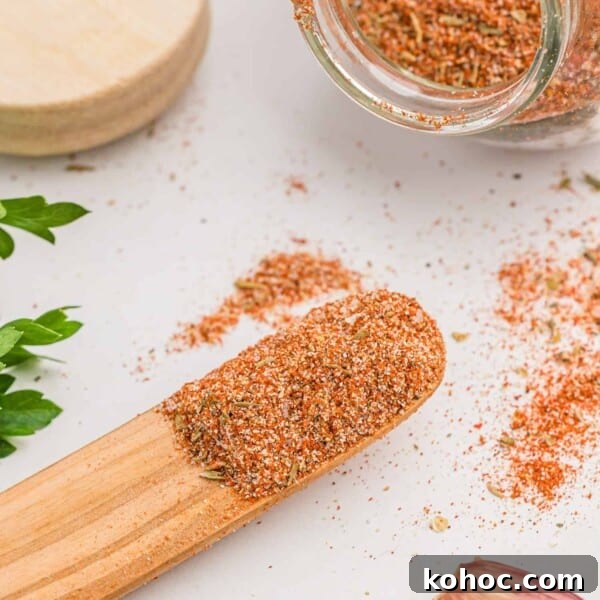
Southwest Spice Blend
Cajun Seasoning
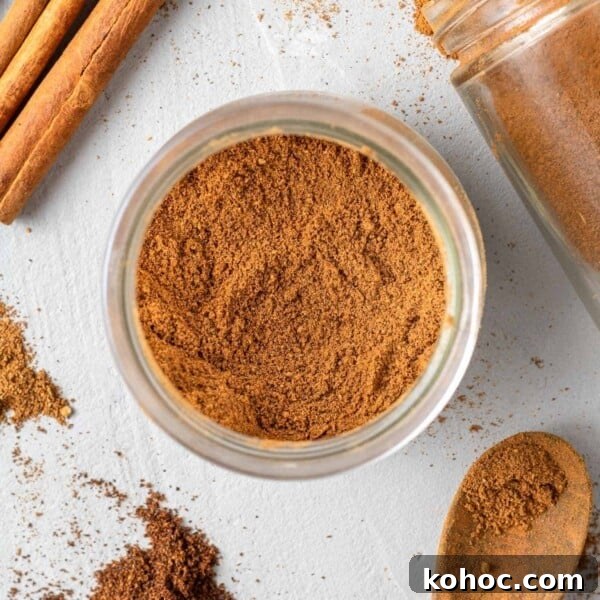
Homemade Pumpkin Pie Spice
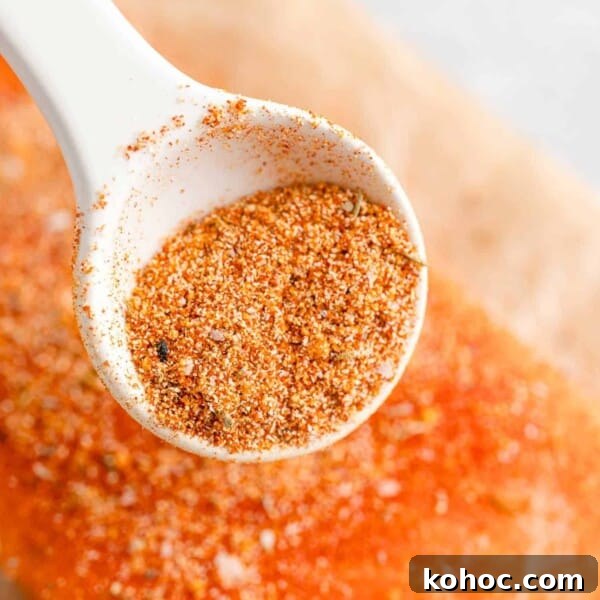
Salmon Seasoning
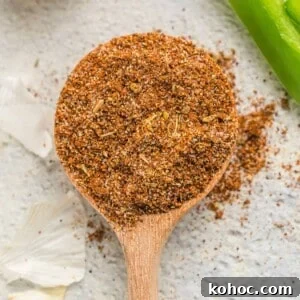
Fajita Seasoning Recipe
Ingredients
- 4 teaspoons chili powder
- 2 teaspoons kosher salt
- 2 teaspoons paprika
- 2 teaspoons brown sugar
- 1 teaspoon ground black pepper
- 1 teaspoon onion powder
- 1 teaspoon garlic powder
- 1 teaspoon Mexican oregano (or regular oregano)
- 1 teaspoon ground cumin
- ½ teaspoon cayenne pepper (adjust to taste)
Instructions
- Combine all ingredients in a bowl or airtight container. Stir or shake until fully mixed.
- Store in a sealed jar. Makes about ⅓ cup of seasoning.
- To use: measure 2 teaspoons of seasoning per pound of meat. Rub onto protein or toss with vegetables, then cook by grilling, sautéing, or broiling.
Notes
- Fresh lime: Squeezing a little fresh lime juice over seasoned meat before cooking brightens the flavor.
- Adjust salt and heat: Reduce salt for lower sodium or cut back on cayenne if you prefer milder heat.
- Sugar alternatives: Swap brown sugar for coconut sugar or omit it for low-carb or Whole30 versions.
- Marinade option: Mix 2 tablespoons seasoning with 2 tablespoons olive oil, 3 tablespoons lime juice, 1 tablespoon Worcestershire sauce, and minced garlic to make a quick marinade.
Nutrition
Serving: 1.5 teaspoon — Calories: 9 kcal. Carbohydrates: 2 g. Protein: 0.3 g. Fat: 0.2 g. Sodium: 479 mg. Values are approximate and provided as a guideline.
Nutrition information is automatically calculated and should be used as an estimate only.