
Soft Sourdough Sandwich Bread is an easy way to make a tender, fluffy loaf with minimal active work. This recipe yields a nutritious, flavorful sandwich loaf that takes only a few minutes to prepare and benefits from a long, slow proof for depth of flavor.
With about three minutes of hands-on time, you can mix the dough and let fermentation do the rest. The result is a soft crumb, a lightly crisp crust, and a loaf ideal for toast, sandwiches, or simply spread with butter.
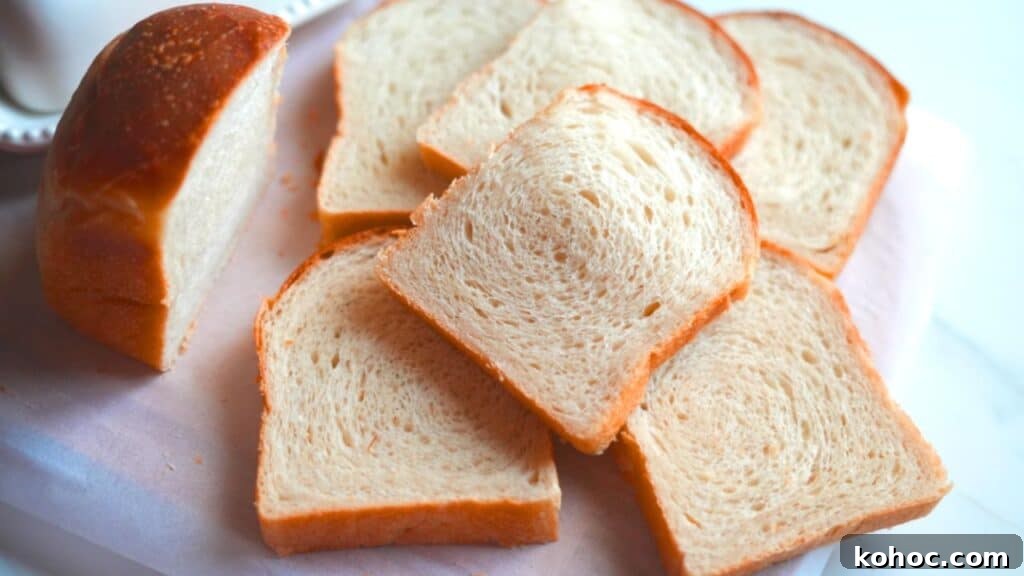
Why You’ll Love This Soft Sourdough Sandwich Bread Recipe
- Super easy: Minimal prep—about three minutes of active work.
- Nutritious: Naturally fermented sourdough is often easier to digest than commercial yeast breads.
- Soft and delicious: A tender crumb perfect for sandwiches, toast, or spreading with butter.
- Flexible timing: Bake the loaf the same day or cold-ferment the dough overnight and shape and bake when convenient.
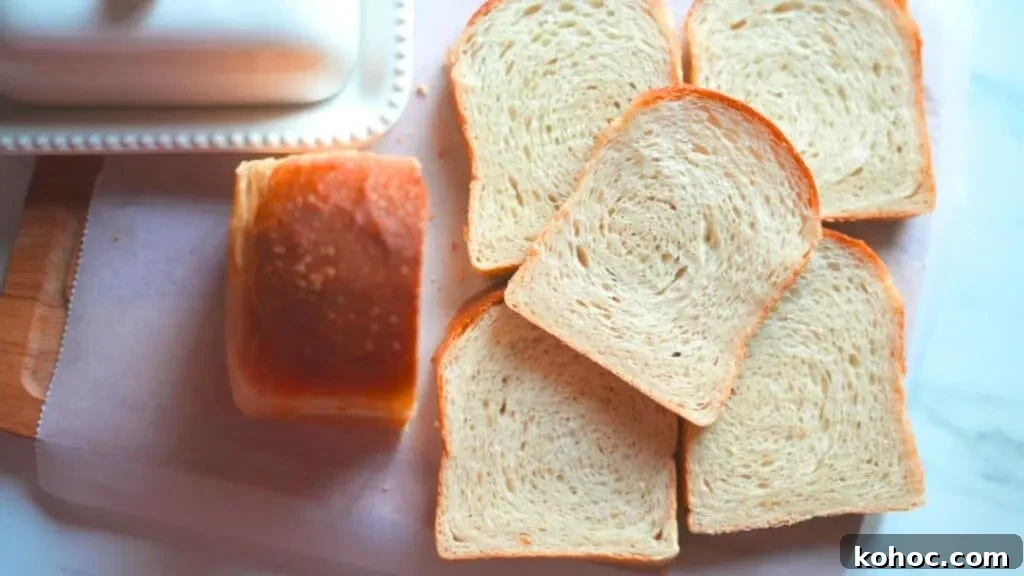
Ingredients
- Flour: 357 g (2 3/4 cups)
- Water: 210 ml (1 cup + 2 tbsp), room temperature
- Salt: 1 tsp (5 g)
- Sugar or honey: 20 g (1 tbsp)
- Soft unsalted butter: 43 g (3 tbsp) — you can substitute melted butter or olive oil
- Active sourdough starter: 75 g
How to Make Soft Sourdough Sandwich Bread
Step 1: Prepare the Dough
Combine the water or milk (room temperature) with the sugar or honey, salt, and active sourdough starter in your mixing bowl. Add the soft butter and finally the flour. Mix until all ingredients are incorporated and the dough comes together.

If you prefer, melted butter or oil can replace softened butter; the goal is a pliable, slightly enriched dough that will produce a soft crumb.
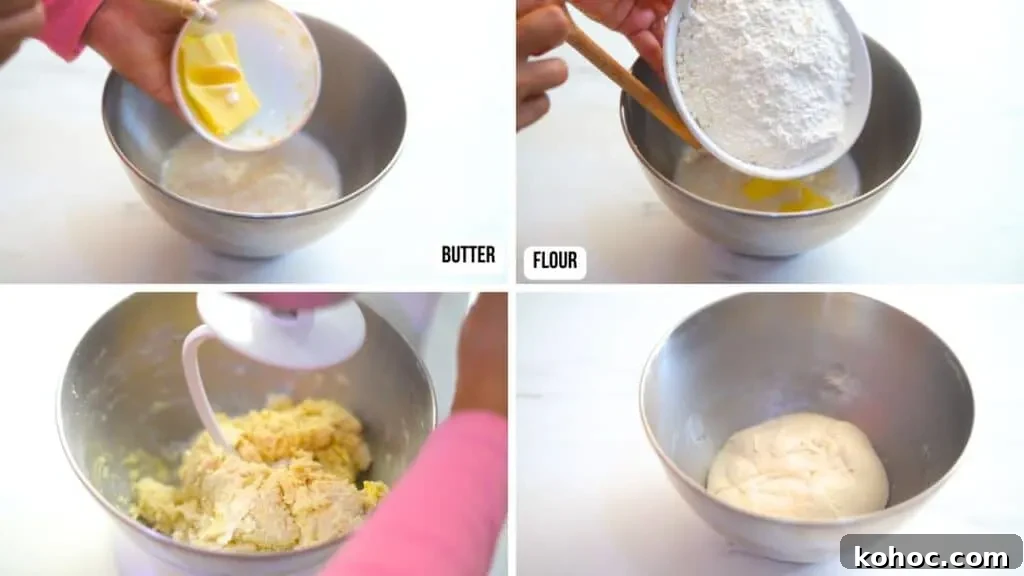
Step 2: Knead the Dough
Knead by hand or use a stand mixer with a dough hook on low speed for 10–12 minutes. If the mixer warms up, pause briefly and resume. You’re aiming for a smooth, elastic dough that holds together.
Step 3: First Fermentation
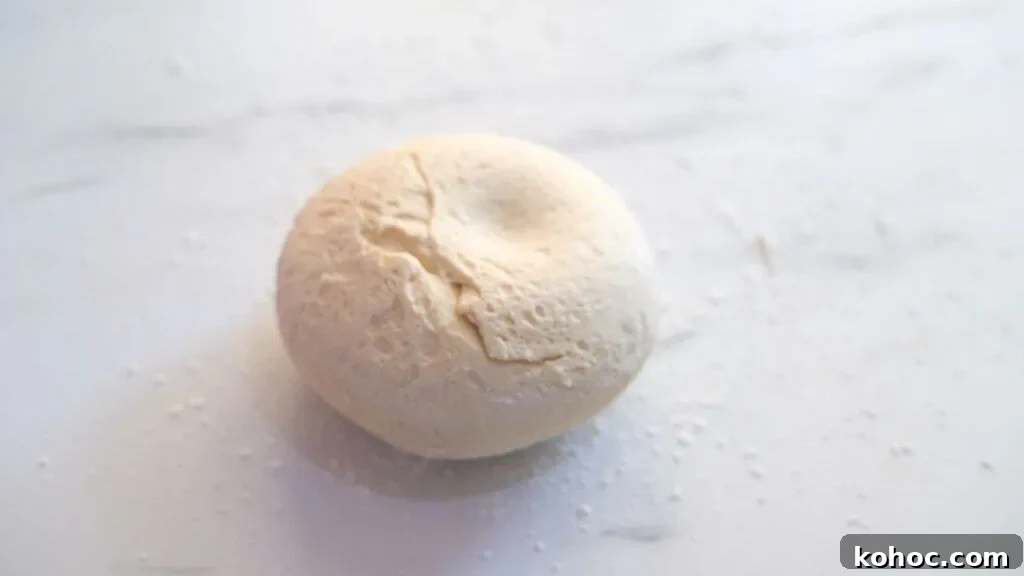
Cover the dough and let it rest for 45 minutes. After this short rest, perform a simple fold: pull the dough gently from all sides, flip it, and drag it along the sides of the bowl to tighten the surface. Let the dough continue to ferment at room temperature for 4.5–5 hours until it has risen noticeably.
At this point you can either shape and bake the loaf the same day, or cold-retard the dough. For cold fermentation, degas gently, tighten the surface, cover the bowl, and refrigerate overnight. Cold retard enhances flavor and makes the dough easier to handle.
Step 4: Shape the Bread
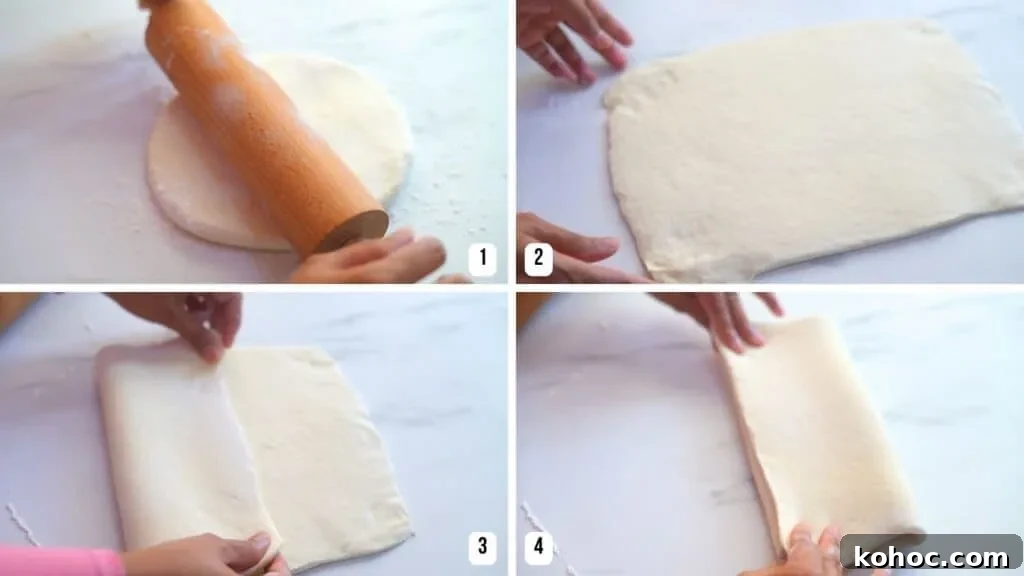
Remove chilled dough from the fridge (if using cold fermentation). Dust your work surface with flour and place the dough smooth-side down. Press gently to release gas, then shape.
Form a rectangle, fold the bottom third up, fold the top third over to create layers, then flatten into a long rectangle, eliminating air pockets. Roll tightly like a jelly roll and pinch the seam to seal. Place the shaped loaf into a greased loaf pan and cover.
Step 5: Final Rise
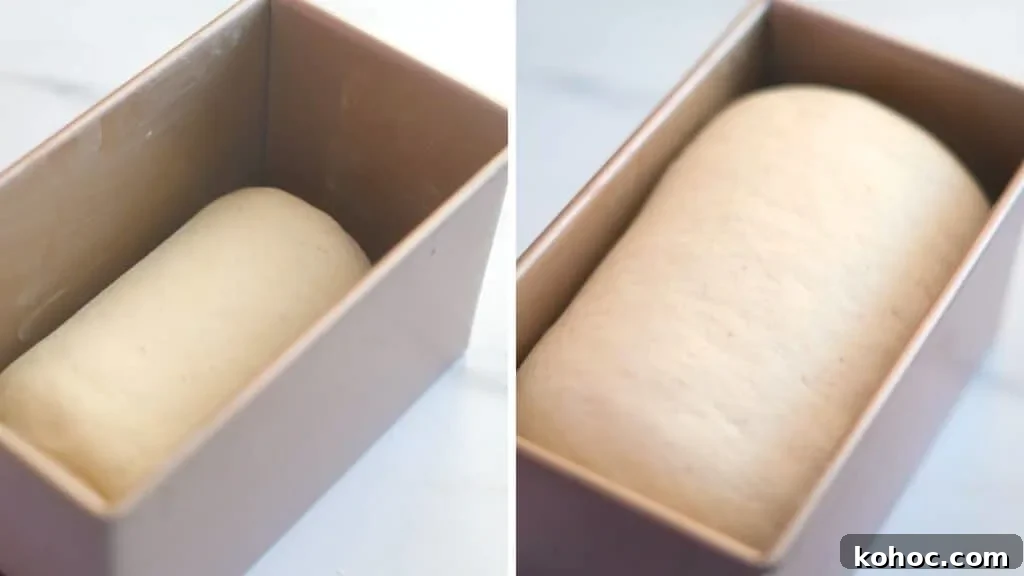
Allow the shaped dough to proof in a warm spot for 4–5 hours, depending on room temperature. The dough should rise well and feel light before baking.
Step 6: Bake the Bread
Preheat your oven to 375°F (190°C). Place the loaf on the lowest oven rack for more even bottom baking and to reduce the chance of over-browning on top. Bake for about 35 minutes, until the crust is golden and the internal temperature reaches roughly 200°F (93°C).
If underbaked, the crumb will be gummy and overly yeasty in aroma. After removing the loaf from the oven, take it from the pan and brush the warm top with butter for a soft, shiny finish.

Allow the bread to cool completely before slicing. Cooling lets residual steam finish the internal cooking (residual baking), which sets the crumb and improves texture.

The finished loaf is super soft and fluffy, often showing a pretty swirl in the crumb from shaping. Sourdough’s gentle tang and easier digestibility make this loaf a great everyday bread.
If you don’t have an active sourdough starter, you can make a similar white sandwich loaf using commercial yeast, or create your own starter from just flour and water and follow a few days of refreshment to build activity.
This bread is perfect for toasts, sandwiches, or simply enjoyed with butter.

This soft sourdough sandwich loaf is approachable for bakers of all levels. Whether you bake it same-day or cold-ferment for extra flavor, you’ll end up with a delicious homemade loaf that easily surpasses store-bought options.
VIDEO: Soft sourdough sandwich bread recipe

Soft Sourdough Sandwich Bread Recipe
Bincy Chris
Pin Recipe
Save Recipe
Ingredients
- 210 ml Water (1 cup + 2 tbsp)
- 5 g Salt 1 tsp
- 20 g Honey or sugar, 1 tbsp
- 43 g Soft unsalted Butter or olive oil (3 tbsp)
- 75 g Active sourdough starter 3/8 cup
- 357 g Flour 2 and 3/4 cups
Instructions
Prepare the Dough
-
Add room-temperature water or milk to a mixing bowl. Stir in sugar or honey, salt, and the active sourdough starter. Add softened butter (or melted butter/olive oil) and then the flour. Mix until the dough comes together.
Knead the Dough
-
Knead by hand or on a stand mixer with a dough hook at low speed for 10–12 minutes until smooth and elastic. Pause if the mixer warms up.
First Fermentation
-
Cover and rest for 45 minutes. Perform a gentle fold by pulling the dough from the sides, flipping it, and dragging it against the bowl to tighten the surface. Let it ferment at room temperature for 4.5–5 hours until risen. For cold fermentation, degas, tighten the surface, cover, and refrigerate overnight for better flavor.
Shape the Bread
-
Dust the work surface and place the dough smooth-side down. Press out gas and shape into a rectangle. Fold the bottom third up, fold the top over, flatten, then roll tightly and seal the seam. Place in a greased loaf pan and cover.
Final Rise
-
Proof the shaped loaf in a warm spot for 4–5 hours, or until well risen.
Bake the Bread
-
Preheat oven to 375°F (190°C). Bake the loaf on the lowest rack for about 35 minutes until golden and the internal temperature reaches about 200°F (93°C). Remove from the pan, brush with butter while warm, and cool completely before slicing.
Video