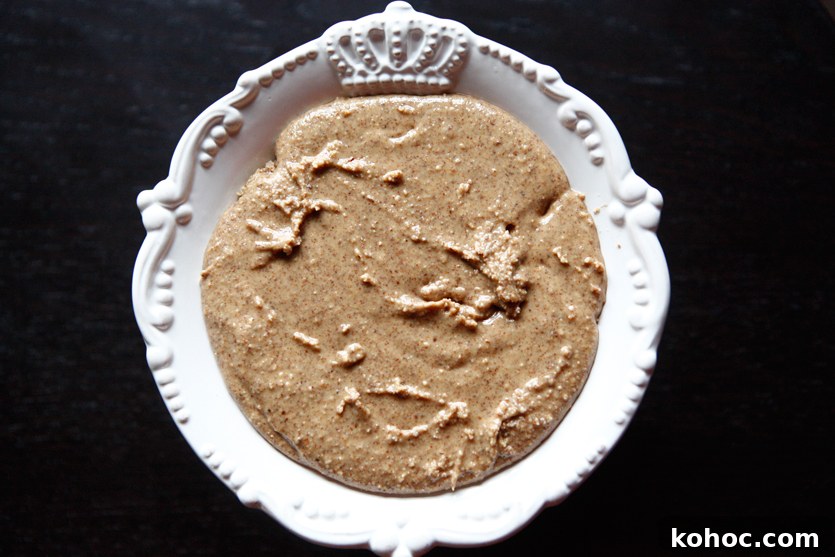
How to Make Homemade Creamy Almond Butter
Author: Mariel Lewis | Total Time: 10 mins | Yield: about 3 cups
Almond butter is a rich, versatile staple that’s easy to make at home with just a few ingredients and a good food processor. Making almond butter yourself gives you control over the flavor and texture, and it avoids added sugars, oils, or preservatives often found in store-bought jars. Homemade almond butter is delicious by the spoonful, spread on toast, pancakes, or waffles, swirled into oatmeal or yogurt, or paired with fruit and vegetables like celery for a classic snack.
The process is straightforward and surprisingly fast. With raw or roasted unsalted almonds and a pinch of sea salt, you can transform whole nuts into a smooth, creamy butter in minutes. Roasting the almonds first enhances the nutty aroma and caramelized undertones; using already roasted almonds simply shortens the final processing time. This recipe is budget-friendly when you compare it to premium store brands, and it’s easy to customize to your taste.
Below you’ll find a clear ingredient list, step-by-step instructions, and practical tips for texture, flavor variations, and storage so your homemade almond butter stays fresh and delicious. Whether you want a simple, classic butter or a slightly salted, ultra-creamy spread, this method will get you there with minimal effort.
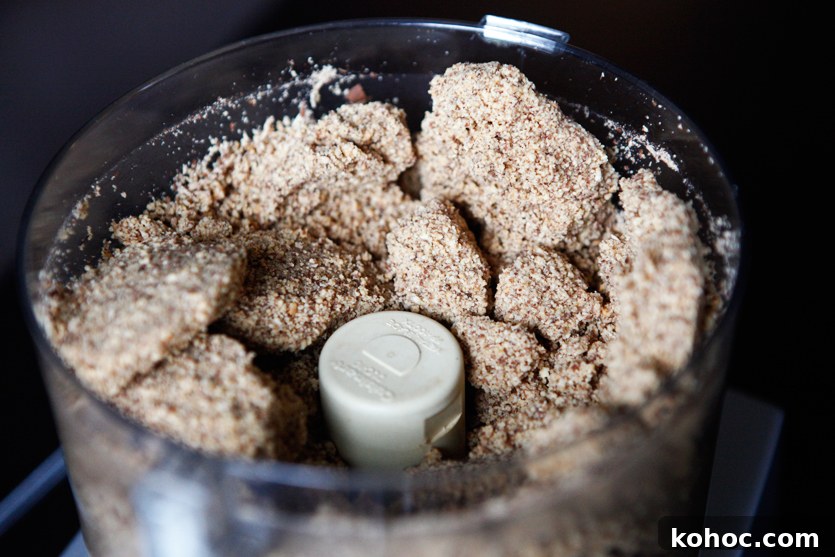
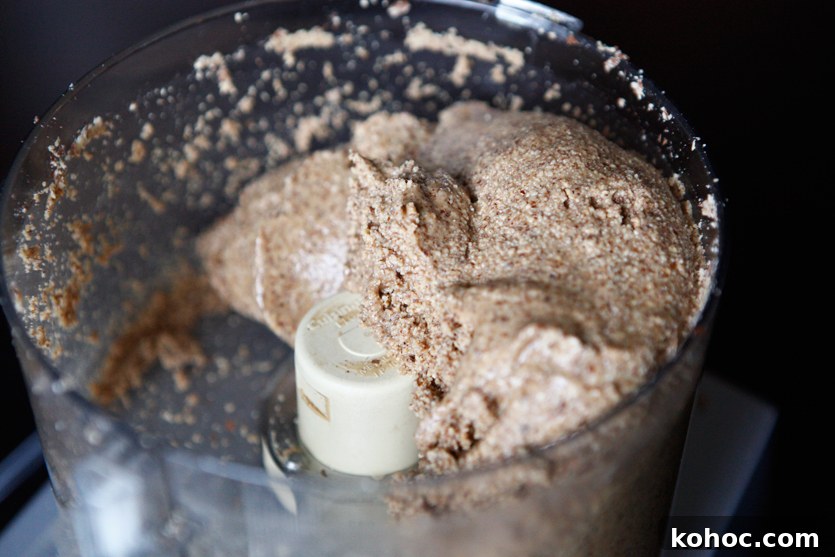
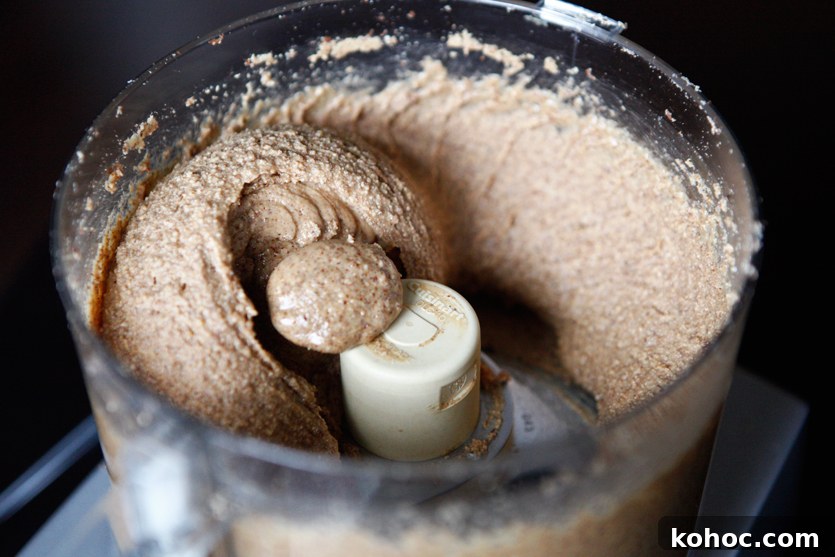
Description
Learn how to make creamy almond butter at home: an affordable, natural, and simple recipe with no preservatives, unwanted sugars, or added oils. This version yields a smooth, spreadable butter that holds up well in the fridge and adapts easily to your preferred salt level and texture. It’s perfect for everyday use and for incorporating into both sweet and savory recipes.
Ingredients
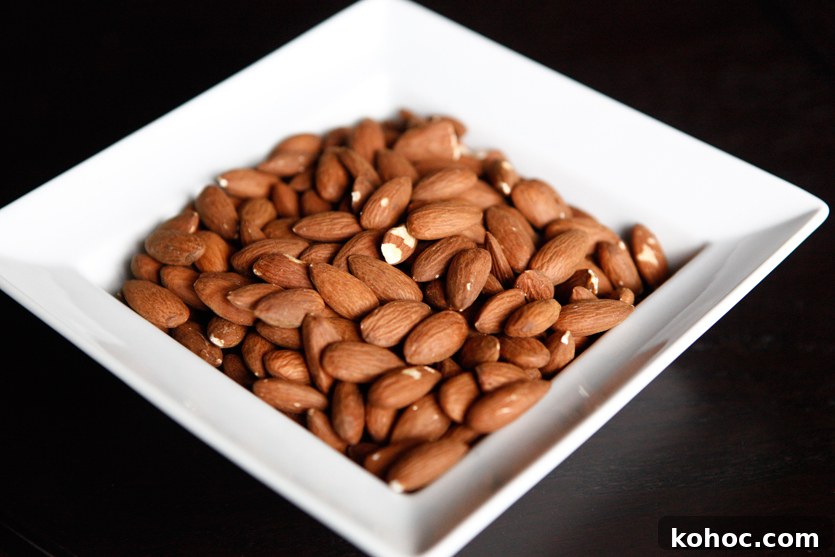
- 4 cups almonds (raw or roasted, unsalted)
- 1/2 to 1 teaspoon sea salt, to taste
Notes: If using raw almonds, you can roast them at 350°F (175°C) for 8–12 minutes until fragrant to deepen the flavor before processing. Roasted almonds will yield a richer, slightly browned butter; raw almonds produce a milder taste.
Instructions
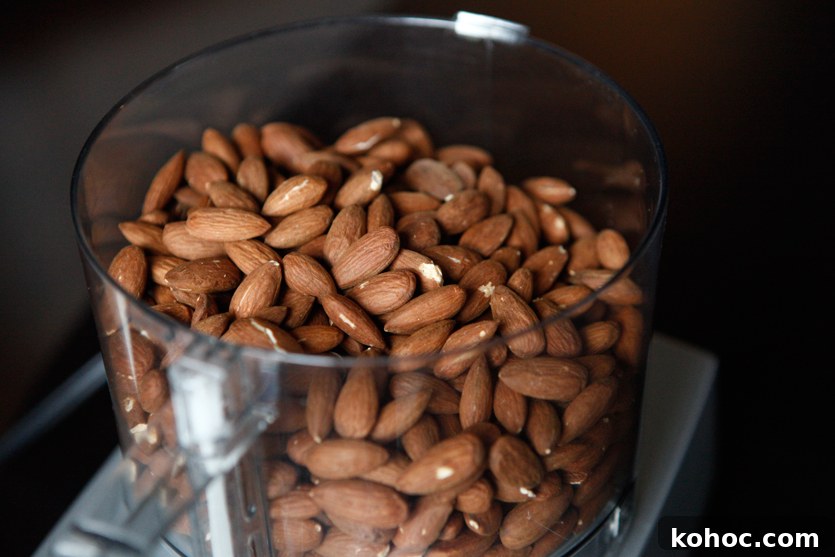
- Place the almonds in a food processor. Secure the lid and process for about 1 minute, then stop and scrape down the sides with a spatula. The nuts will start to break down and release oils.
- Process for another 2 minutes. Continue to scrape down the bowl as needed. The almonds will go through stages—first crumbly, then pasty, and finally creamy. Depending on your processor and whether almonds are roasted, this can take a few minutes more.
- Once the almonds reach a buttery, smooth consistency, add 1/2 to 1 teaspoon sea salt and process for another 1–2 minutes to incorporate. Taste and adjust salt if needed.
- Transfer the almond butter to a clean jar or container with a tight-fitting lid. Refrigerate to keep fresh. The butter will thicken slightly when chilled.
Tips and Variations
- For extra creaminess, process a little longer, allowing the machine to warm the nuts; pause occasionally to prevent overheating. A high-power food processor yields the smoothest texture.
- If you prefer a thinner consistency, stir in a teaspoon of neutral oil (such as avocado oil) sparingly — but this adds an ingredient that’s optional and not necessary for a classic almond butter.
- Add a touch of natural sweetener (honey or maple syrup) for a slightly sweet version, or a pinch of cinnamon or vanilla for added depth of flavor.
- For crunchy almond butter, reserve 1/2 cup of chopped almonds and fold them into the finished butter.
Storage
Store homemade almond butter in an airtight container in the refrigerator. It will remain fresh for several weeks; always use a clean utensil when scooping to avoid introducing moisture or contaminants. If oil separates on top, simply stir it back in before using.