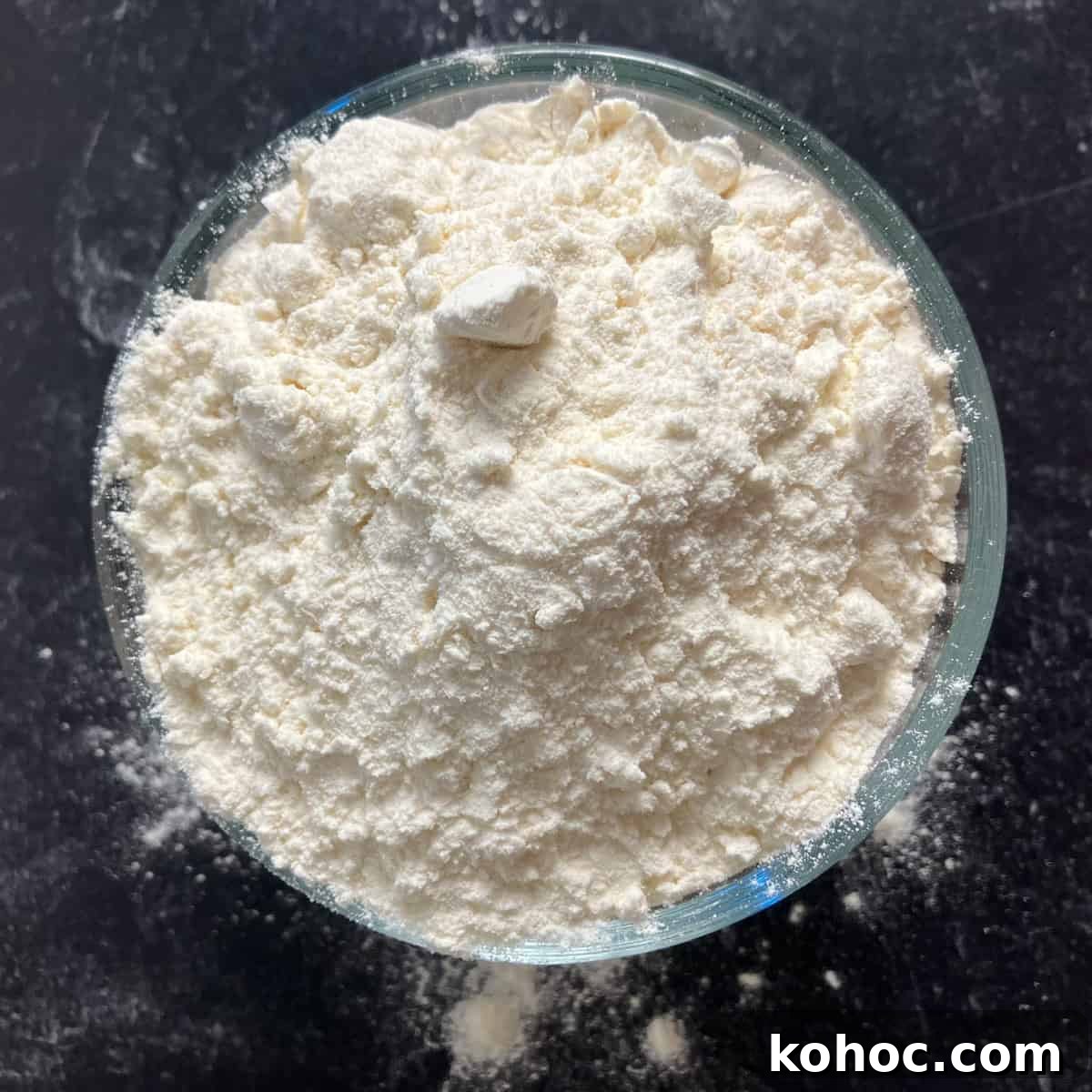
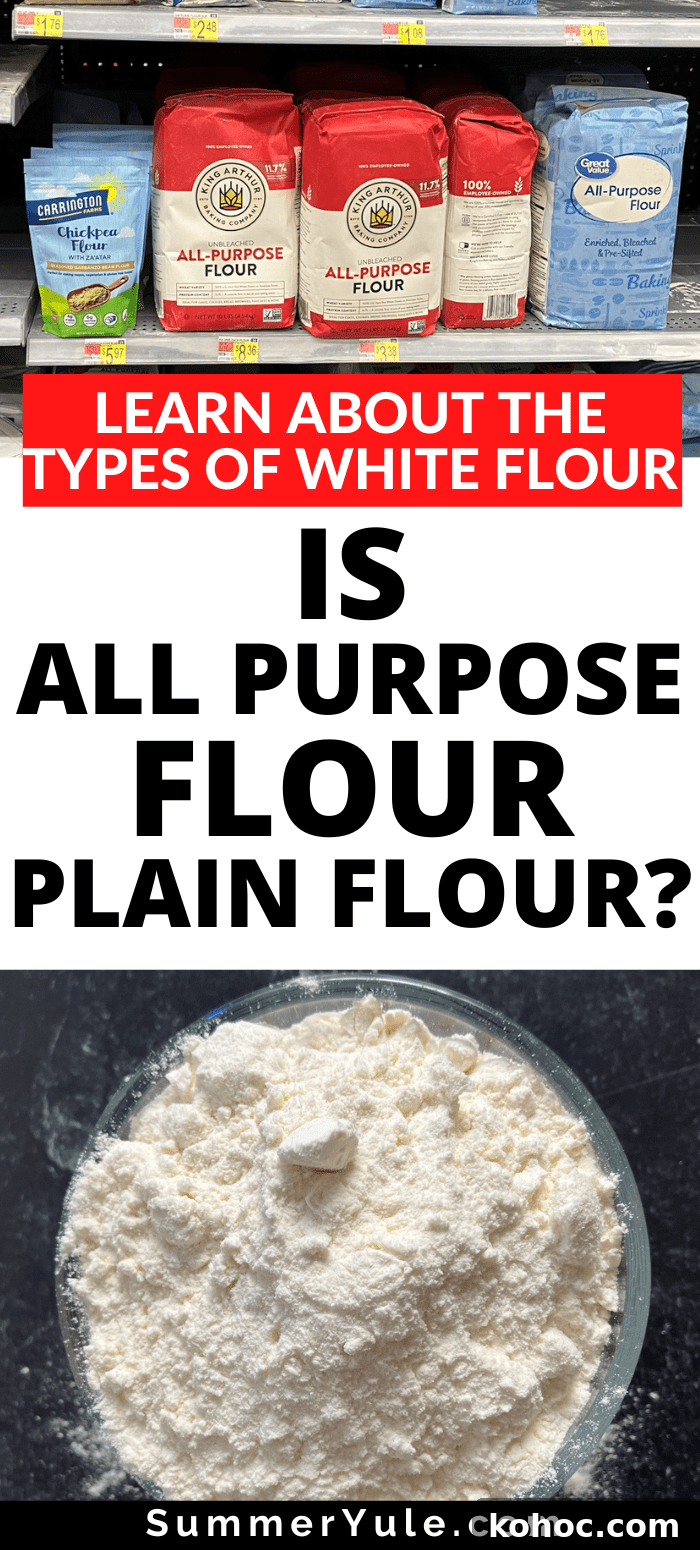
Is all purpose flour plain flour? Yes — all purpose flour is the same as plain flour. These terms are commonly used interchangeably to describe refined white wheat flour without added leavening. Below you’ll find a concise guide to flour types, protein differences, and handy substitutions so you can use plain or all purpose flour confidently in recipes.
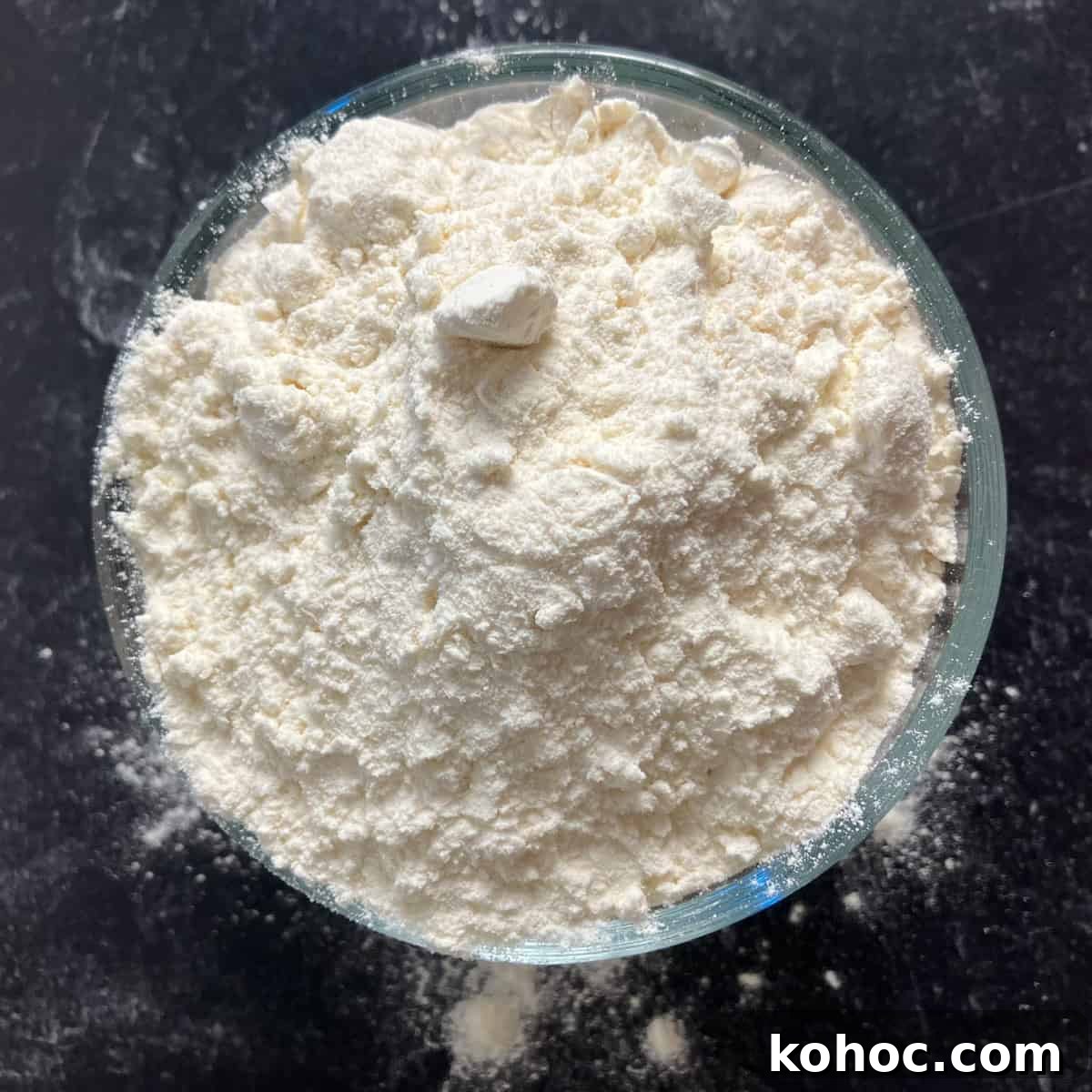
What is all purpose flour?
All purpose flour has a moderate protein level, sitting between high-protein bread flours and low-protein cake flours. That balanced protein content makes it versatile: it works well for yeast breads, quick breads, cookies, muffins, and many other baked goods.
If a recipe doesn’t specify the flour type, all purpose (plain) flour is a safe default. For consistent results, weigh flour with a food scale rather than relying on cup measures — weighing accounts for differences in how flour packs and yields more reliable baking outcomes.
All purpose flour is milled from a blend of hard and soft wheat kernels after removing most of the bran and germ, leaving the starchy endosperm. Because the bran and germ are removed, it is a refined flour and not whole grain.
Bleached vs Unbleached
All purpose flour is available bleached or unbleached. Bleached flour is whiter and has a slightly softer texture; unbleached flour is less processed and can give a bit more structure to baked goods.
Protein content and wheat type
Plain/all purpose flour generally ranges from about 7–12% protein, depending on the brand and wheat used. Protein (gluten) affects dough strength and texture: higher protein gives more chew and structure, lower protein yields more tender baked goods. Below are common flour protein ranges for context:
| Types of Flour | Protein Percent Range |
|---|---|
| All Purpose / Plain Flour | 7–12% |
| Bread / Strong Flour | 12–14% |
| Cake Flour | 5–8% |
| Pastry Flour | 8–9% |
Gluten is the primary protein group in wheat. Vital wheat gluten is almost pure protein and is used to increase the strength of doughs when needed.
Is all-purpose flour plain or self-raising?
All purpose flour is plain flour without baking powder or salt added. Self-raising (or self-rising) flour combines plain flour with a leavening agent and sometimes salt. In the U.S., self-rising flour typically includes baking powder and salt; in the UK, self-raising usually includes baking powder but not salt.
How to make self-raising flour from plain flour
To make self-raising flour from plain flour: mix 2 teaspoons baking powder into 1 cup plain flour. Use this as a 1:1 substitute for 1 cup self-raising flour.
To mimic U.S. self-rising flour: combine 1 cup all purpose flour, 1½ teaspoons baking powder, and ¼ teaspoon salt for each cup needed.
Regional names: Australia and the UK
In Australia and the UK, “plain flour” is the common term for what Americans call “all purpose flour.” While wheat varieties differ—U.S. flours often use more hard red wheat and can be slightly higher in protein—the flours are largely interchangeable for most recipes.
Other names for all purpose flour
Common alternative names include:
- White flour
- AP flour / APF
- Enriched wheat flour
- Maida (in some South Asian markets)
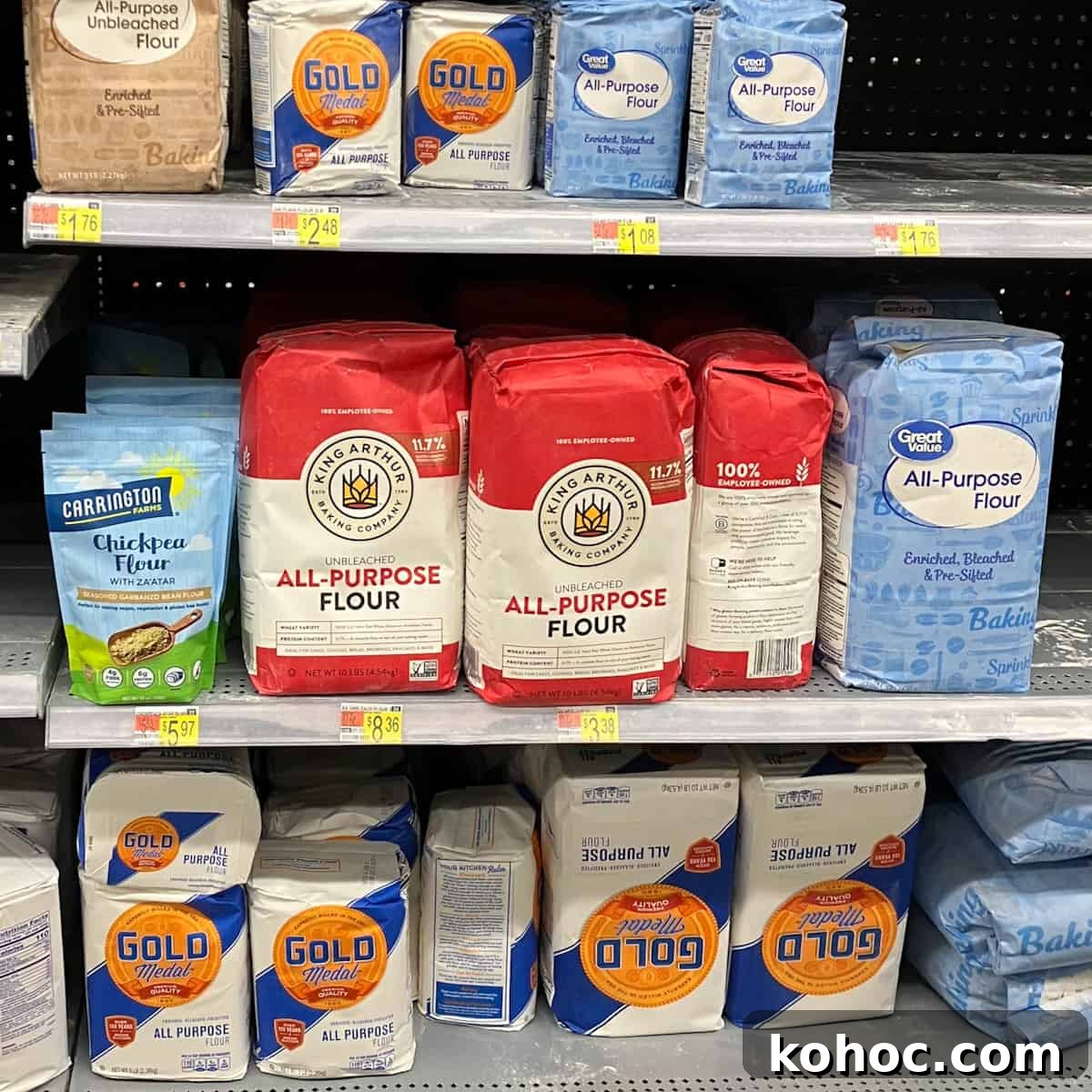
Wheat flour vs plain flour
On many U.S. labels, “wheat flour” can refer to refined white wheat flour. This differs from “whole wheat” or “wholemeal” flour, which contains the bran, germ, and endosperm and therefore has higher fiber and slightly different behavior in baking.
American all purpose flour vs European plain flour
American all purpose flour and European plain flour serve the same role, but cultivars of wheat and milling practices can lead to small protein differences. For most home baking, those differences won’t prevent you from swapping one for the other.
All purpose flour substitutes
You can substitute many flours for all purpose flour depending on flavor and texture goals. Up to half the AP flour in many recipes can be swapped for another wheat-based flour without major recipe changes. Gluten-free flours require more recipe adjustments or a commercial 1:1 gluten-free blend.
Some alternatives to try:
- Oat flour
- Whole wheat flour
- Rye flour
- Spelt flour
- Gluten-free 1:1 baking blend
- Chickpea flour
- Brown rice flour
- Buckwheat flour
- Semolina (durum) flour
- Almond flour (note: behaves differently)
- Coconut flour (absorbs a lot of liquid)
Can corn flour substitute for plain flour?
Finely milled corn flour can work in some recipes, especially as a thickener, but it is gluten-free and won’t replace plain flour 1:1 in most baked goods that rely on gluten for structure.
Bread, cake, and pastry flours compared
Bread flour is higher in protein and gives stronger gluten development for chewy, structured breads. Cake flour is low in protein for tender, fine-crumb cakes. Pastry flour sits between cake and all purpose flour, offering tenderness with some strength.
Make bread flour from all purpose
To boost AP flour toward bread flour: add 1 teaspoon vital wheat gluten to 1 cup all purpose flour.
Make cake flour from all purpose
To mimic cake flour: remove 2 tablespoons from 1 cup AP flour and replace them with 2 tablespoons cornstarch; sift together for a finer texture suitable for cakes.
Storage, cost, and nutrition
Storage: white flours keep about 6–8 months in the pantry and up to a year refrigerated or frozen; whole wheat flours are more perishable (about 3–6 months in the pantry). Costs vary by brand, region, and whether the flour is organic or enriched.
Nutrition: refined white flour is mainly carbohydrate with small amounts of protein and fiber. In many countries, white flours are enriched with iron and B vitamins that were removed during milling.
FAQs
Does all purpose flour have gluten?
Yes — all purpose flour contains gluten because it’s made from wheat. For gluten-free baking, use non-wheat flours or a commercial gluten-free blend.
Bleached vs unbleached difference?
Unbleached flour can provide slightly more structure; bleached flour is softer and whiter. Choose based on texture preferences and the needs of the recipe.
Whole wheat vs wholemeal?
Whole wheat and wholemeal mean the same thing: flour made from the entire grain (bran, germ, endosperm). Terminology varies by region.
00 flour vs plain flour?
Italian 00 flour is milled very finely and is often used for pasta and pizza because of its silky texture; plain flour is more coarsely milled and suited to general baking.
How long is flour good for?
White flour: about 6–8 months at room temperature, longer in the fridge or freezer. Whole grain flours are more perishable and are best stored cold.
Ideas for using all purpose flour
All purpose flour is the workhorse of the kitchen. Use it for:
- Crackers
- Breads and quick breads
- Pizza dough
- Muffins and cookies
- Biscuits and pie crusts
- Pasta and noodles
- Frying batters and breading
- Roux for sauces and gravies
Is All Purpose Flour Plain Flour? (What is all purpose flour?)
Summer Yule
Ingredients
To make bread flour substitute with all purpose flour:
- 1 cup all-purpose flour
- 1 teaspoon vital wheat gluten
To make cake flour substitute with all purpose flour:
- 14 tablespoons all-purpose flour
- 2 tablespoons corn starch
To make self-raising flour with plain flour:
- 1 cup plain flour
- 2 teaspoons baking powder
To make self-rising flour with all purpose flour:
- 1 cup all-purpose flour
- 1½ teaspoons baking powder
- ¼ teaspoon kosher salt
Instructions
-
Weigh ingredients with a food scale for best accuracy. Flour weight per cup varies by brand — use the nutrition label if available.
-
Combine the ingredients for the substitute you need (stir or sift together).
-
Use each prepared substitute as a 1:1 replacement for one cup of the corresponding flour in recipes.
Equipment
- Food scale
Notes
Nutrition
Carbohydrates: 22 g
Protein: 3 g
Potassium: 40 mg
Iron: 6% DV
If you found this explanation of all purpose flour vs plain flour helpful, consider saving the guide for future reference.
Join the community: subscribe for recipes and follow the author on social channels to get more tips and recipe ideas.
nutrition info disclaimer
All recipes and nutrition info are estimates and may not suit individual dietary needs. Consult a registered dietitian or physician for personalized advice. Nutrition values vary with brands and exact portion sizes.