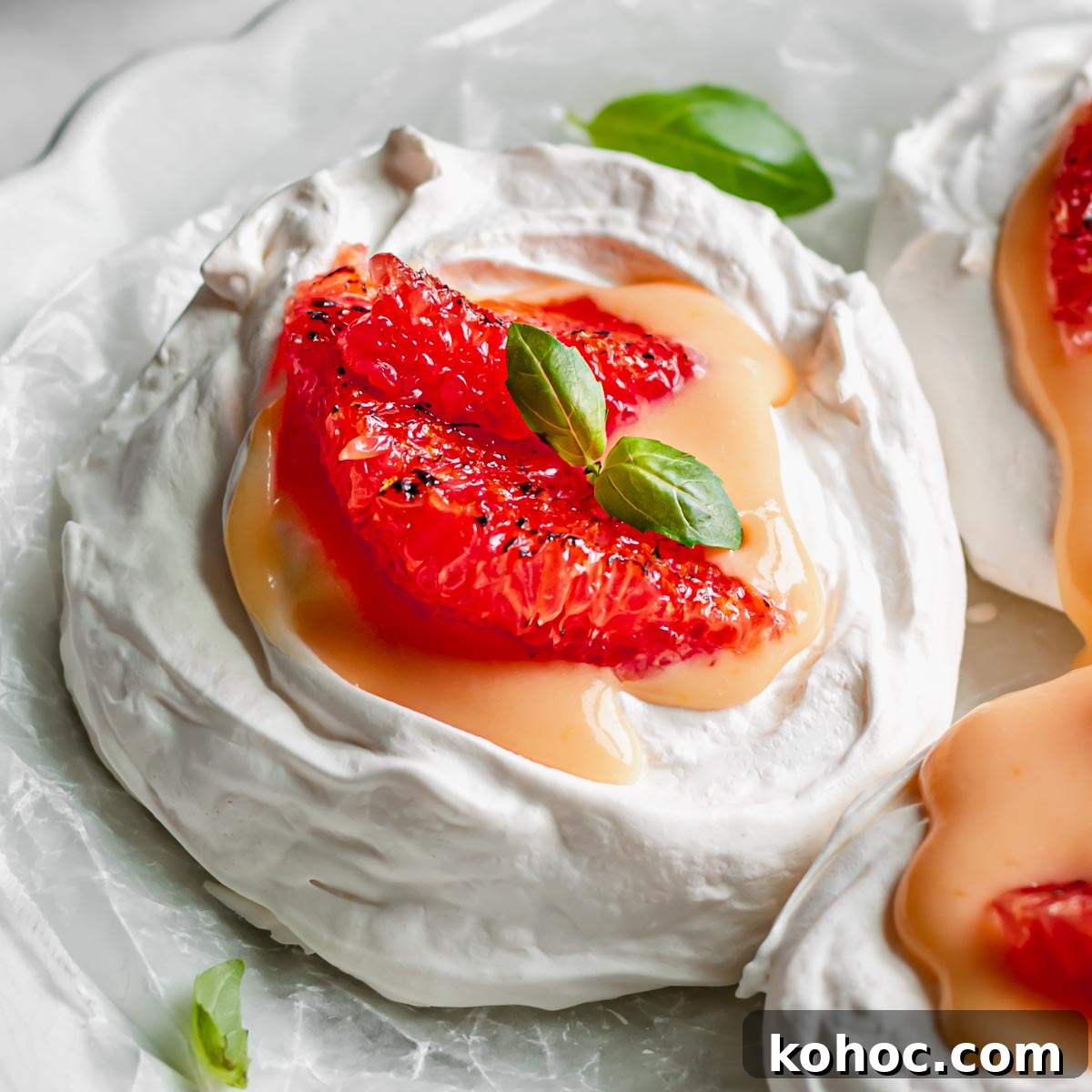
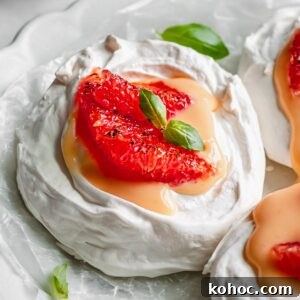
These easy mini pavlova nests combine a crisp, chewy meringue with bright, tangy grapefruit curd. Built from a simple vanilla meringue, they make elegant individual, make-ahead, naturally gluten-free desserts.
Why You’ll Love This Recipe
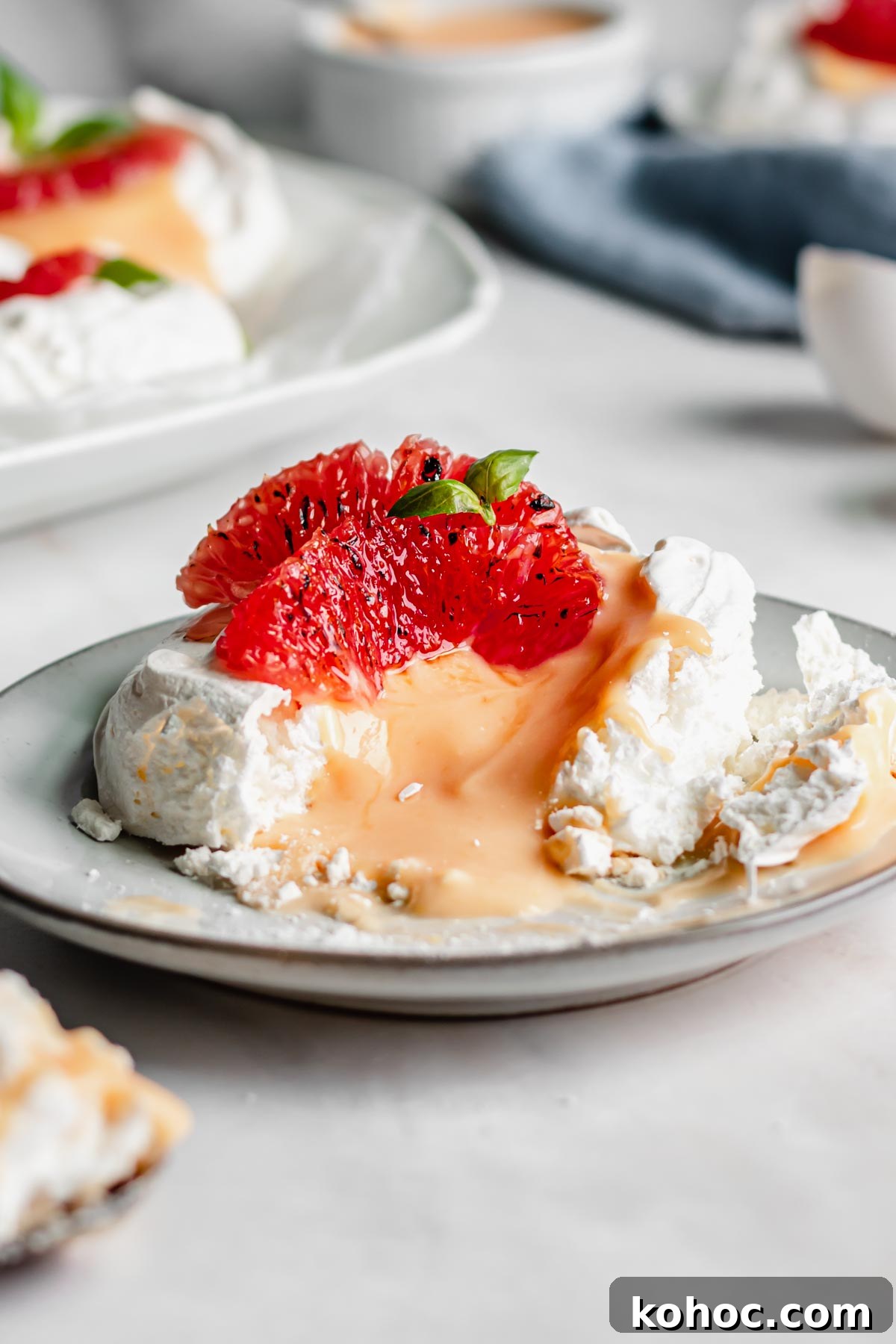
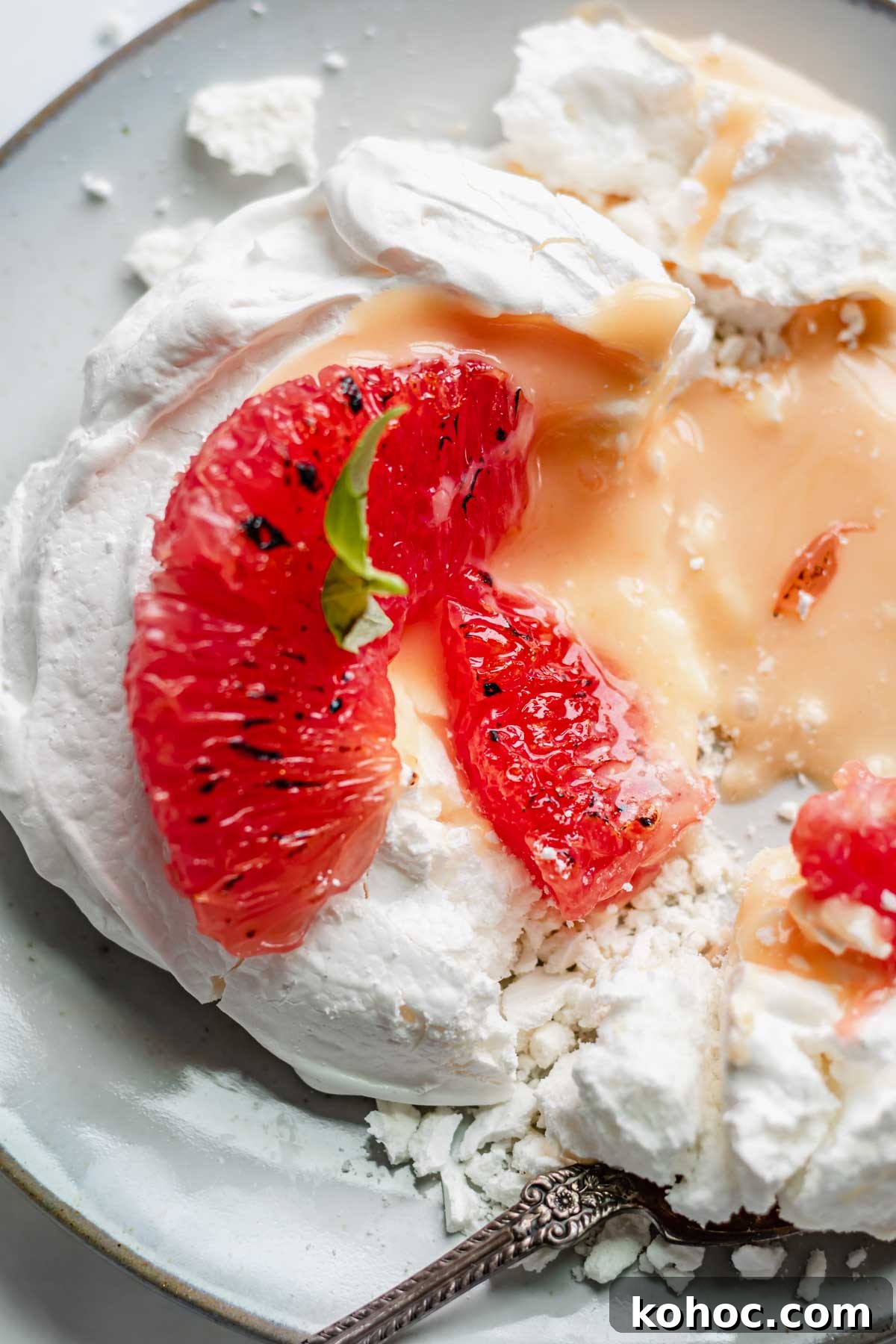
Pavlova is a simple, naturally gluten-free dessert with minimal ingredients and a wonderful contrast of textures. These mini pavlova nests are baked slowly at a low temperature so the outside becomes crisp while the interior stays tender and slightly chewy.
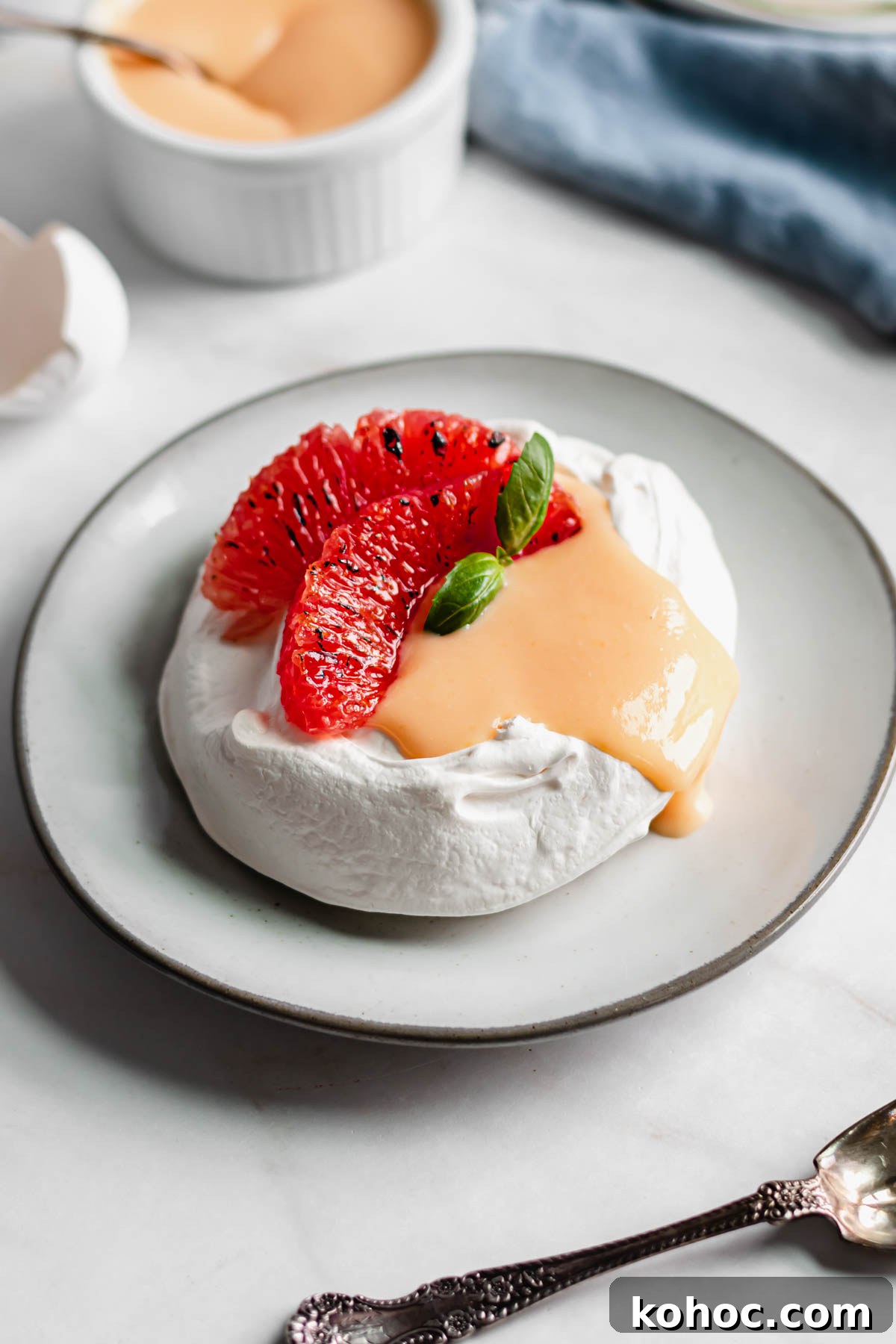
Each small nest is filled with tangy grapefruit curd and finished with fresh, caramelized grapefruit segments. They’re an easy, elegant dessert — ideal for entertaining or preparing ahead.
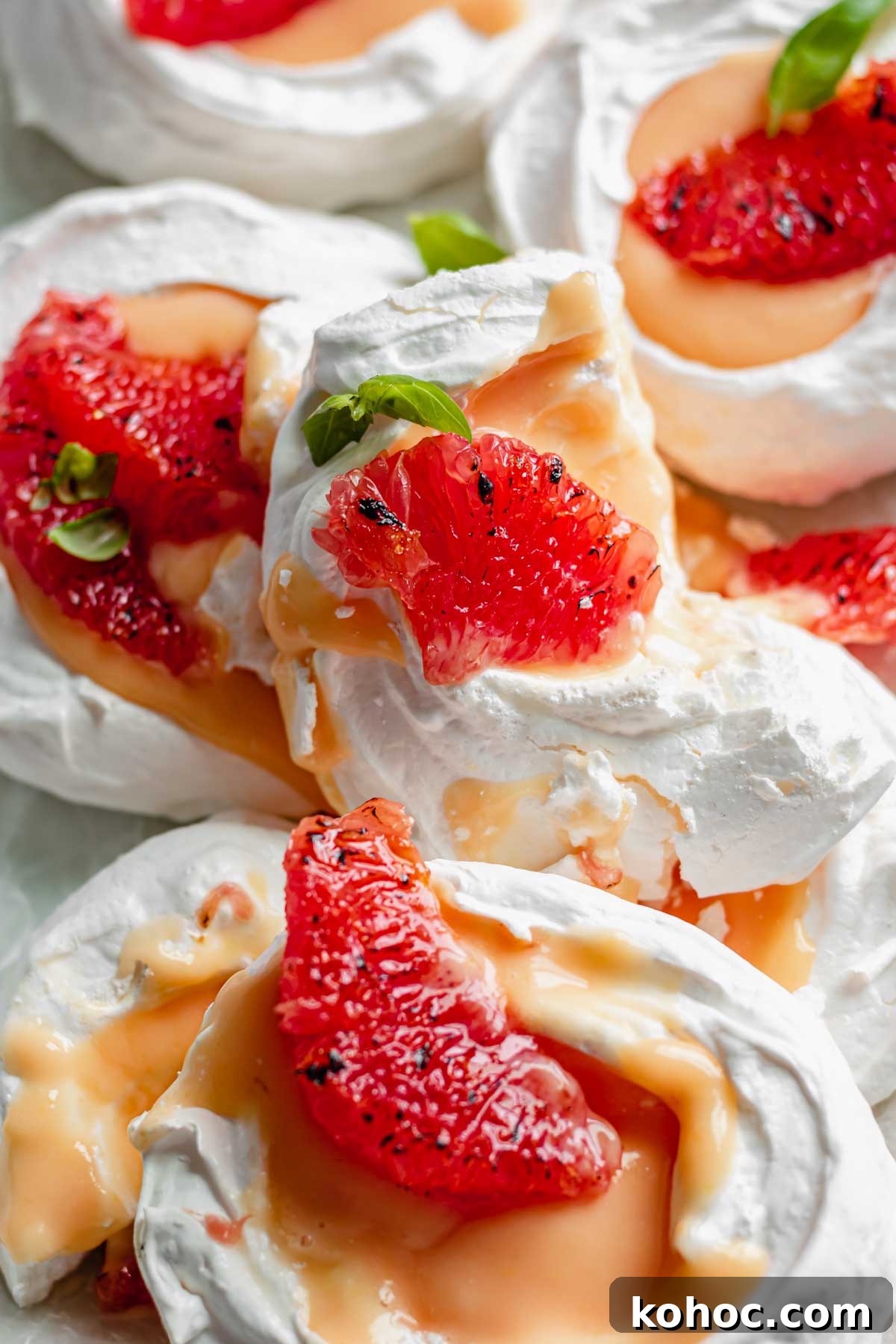
If grapefruit isn’t your favorite, swap the curd for lemon curd or cranberry curd and top with complementary fruit like orange slices or sugared cranberries. Whipped cream, fresh berries, or even a smear of Nutella are all lovely alternatives.
Because these are individual nests, they’re easy to plate and serve — and they store well when prepared in advance.
Ingredients
- Eggs. Three whole eggs for the grapefruit curd and four egg whites for the mini pavlovas.
- Granulated sugar. Used in both the curd and the meringue.
- Cream of tartar. Helps stabilize the meringue.
- Vanilla. Adds warm flavor to the meringue.
- Grapefruit. Two large ruby red grapefruits for juice, zest, and segments.
- Unsalted butter. Whisked into the curd for richness.
Substitutions and Variations
Pavlova nests are versatile. Try these common variations:
- Lemon, lime, passionfruit, or cranberry curd.
- Fresh fruits like mango, berries, or orange segments.
- Whipped cream paired with fruit or curd.
- A dollop of Nutella for a chocolate-hazelnut option.
You can pipe the nests with a large tip instead of shaping them by hand — just leave a well in the center for the filling.
How to Make This Recipe
Both the grapefruit curd and the mini pavlova nests benefit from a little advance work. Make the curd and bake the nests the day before serving. I like to bake the pavlovas in the evening and leave them to cool in the switched-off oven overnight; this helps them dry properly.
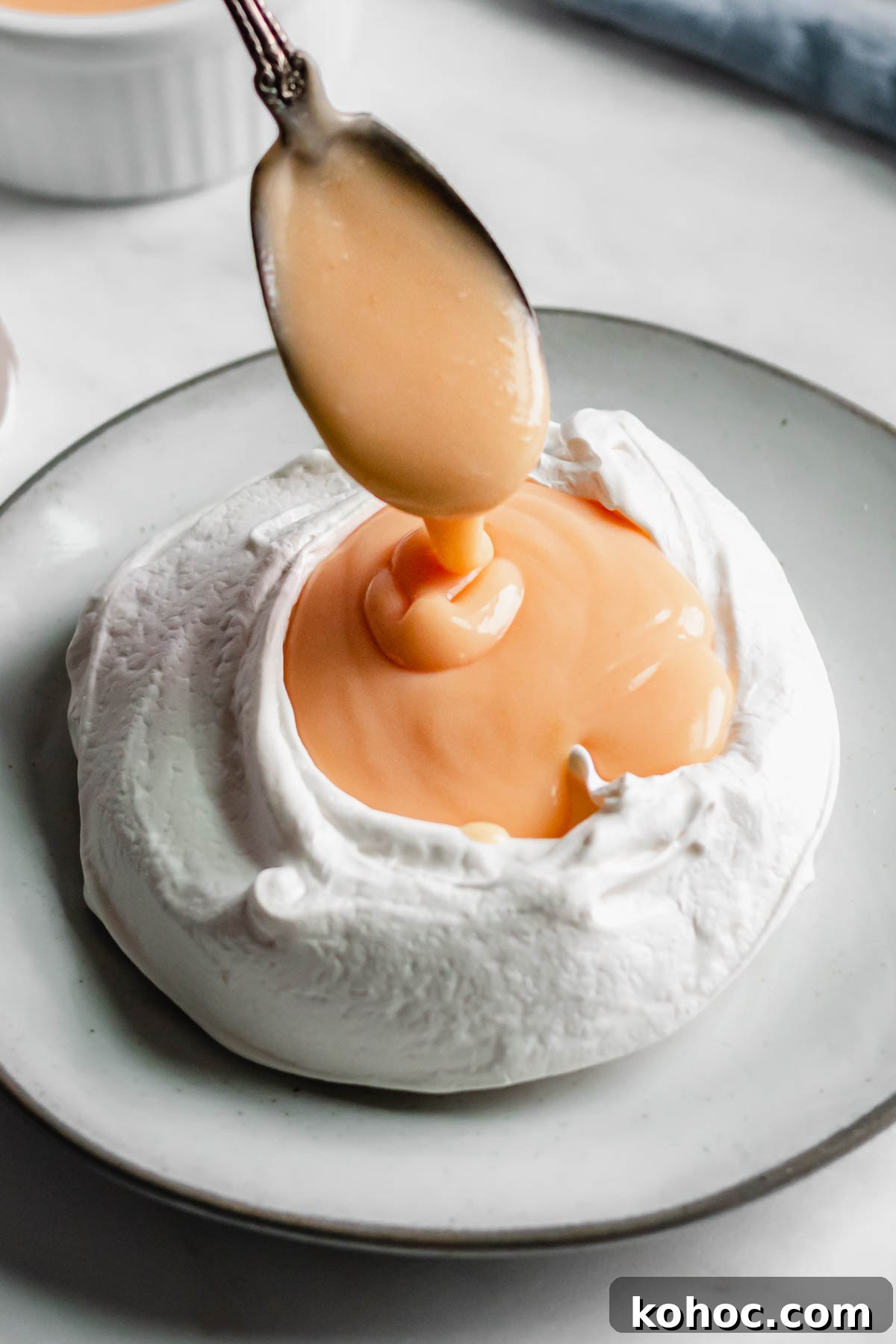
When you’re ready to serve, spoon the chilled curd into each nest and top with segmented grapefruit.
Grapefruit Curd
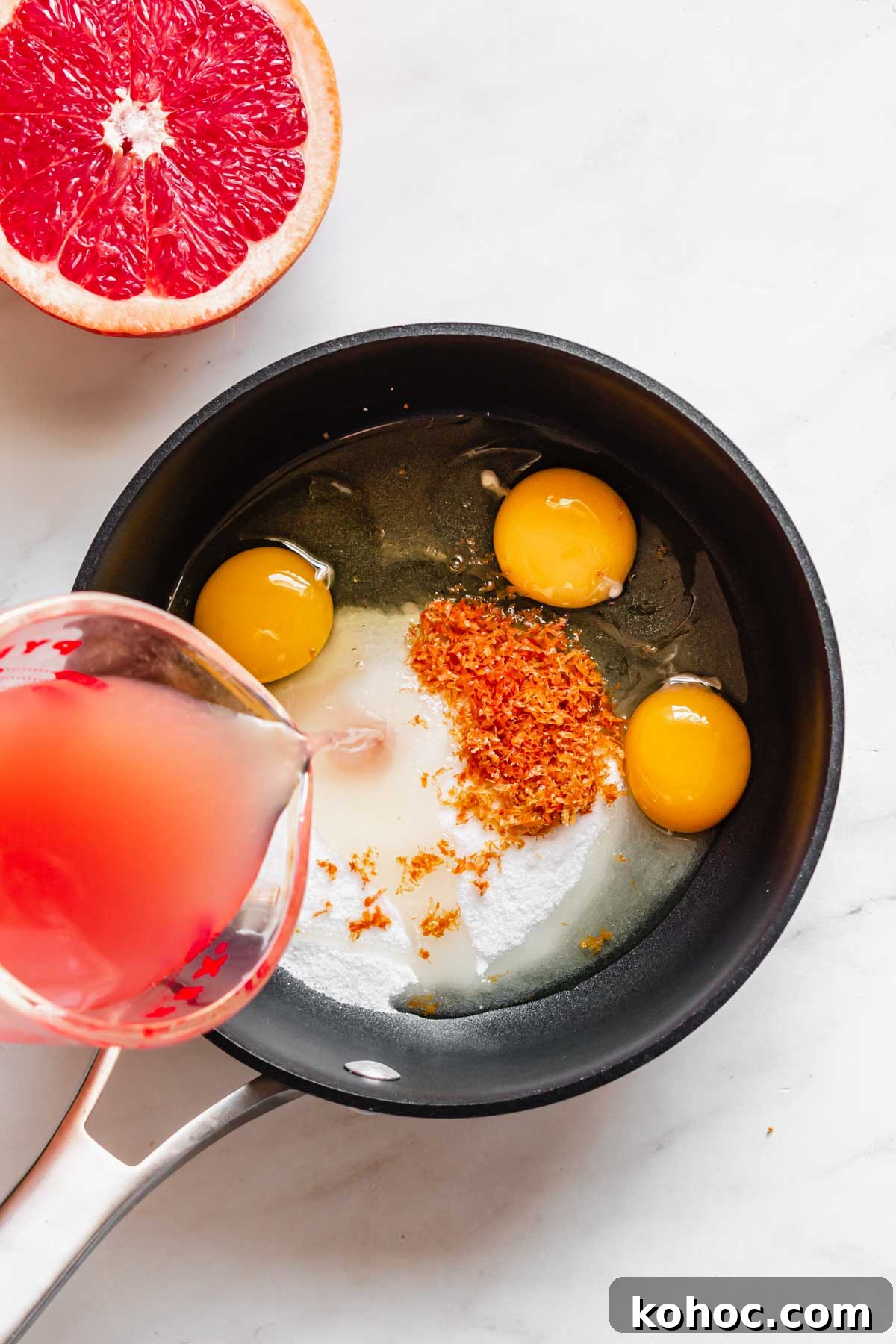
One: Whisk the sugar, grapefruit zest, grapefruit juice and eggs together in a saucepan over medium-low heat.
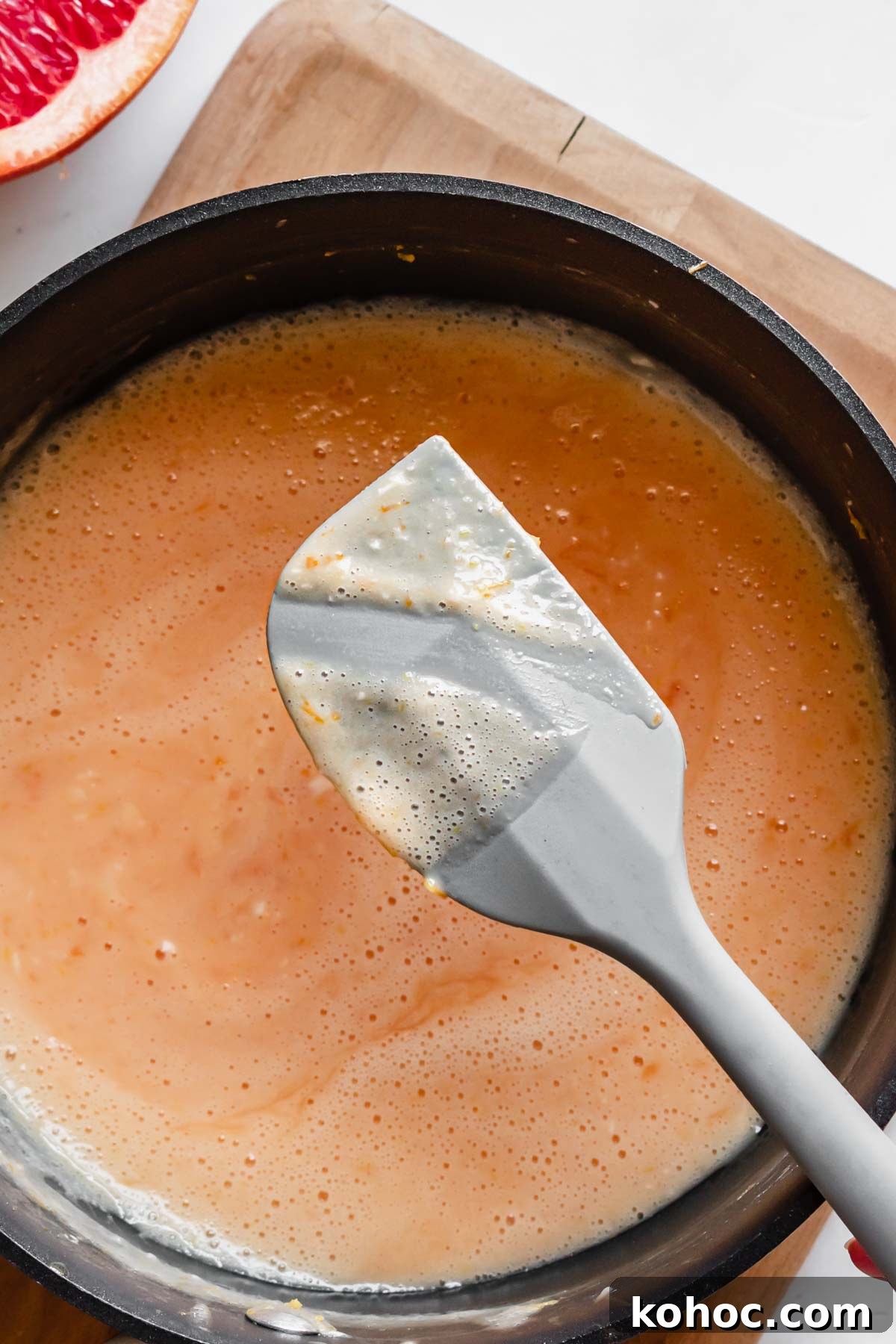
Two: Whisk constantly until the curd thickens and coats a spatula.
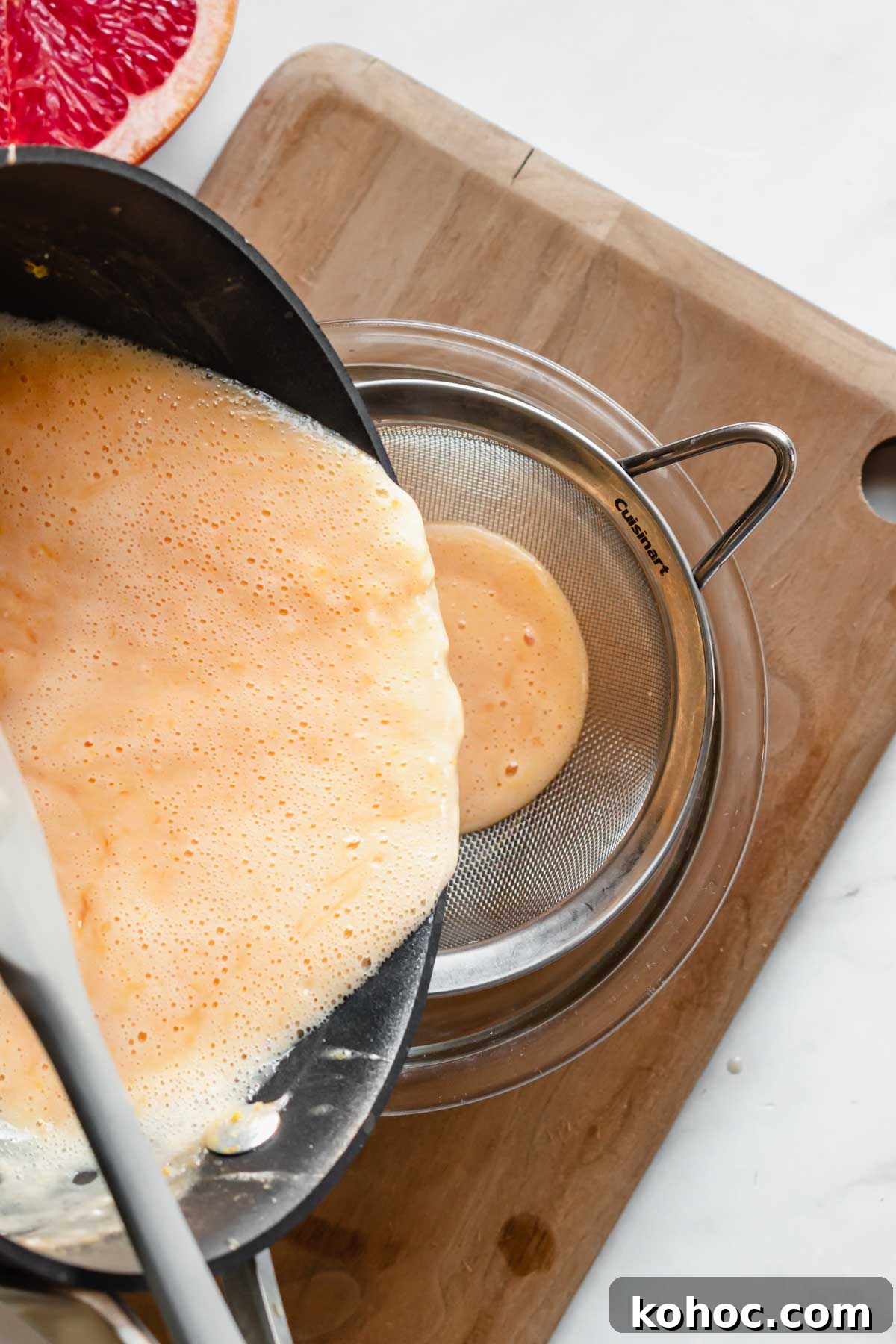
Three: Pass the hot curd through a fine-mesh sieve into a bowl to remove zest and any cooked egg bits.
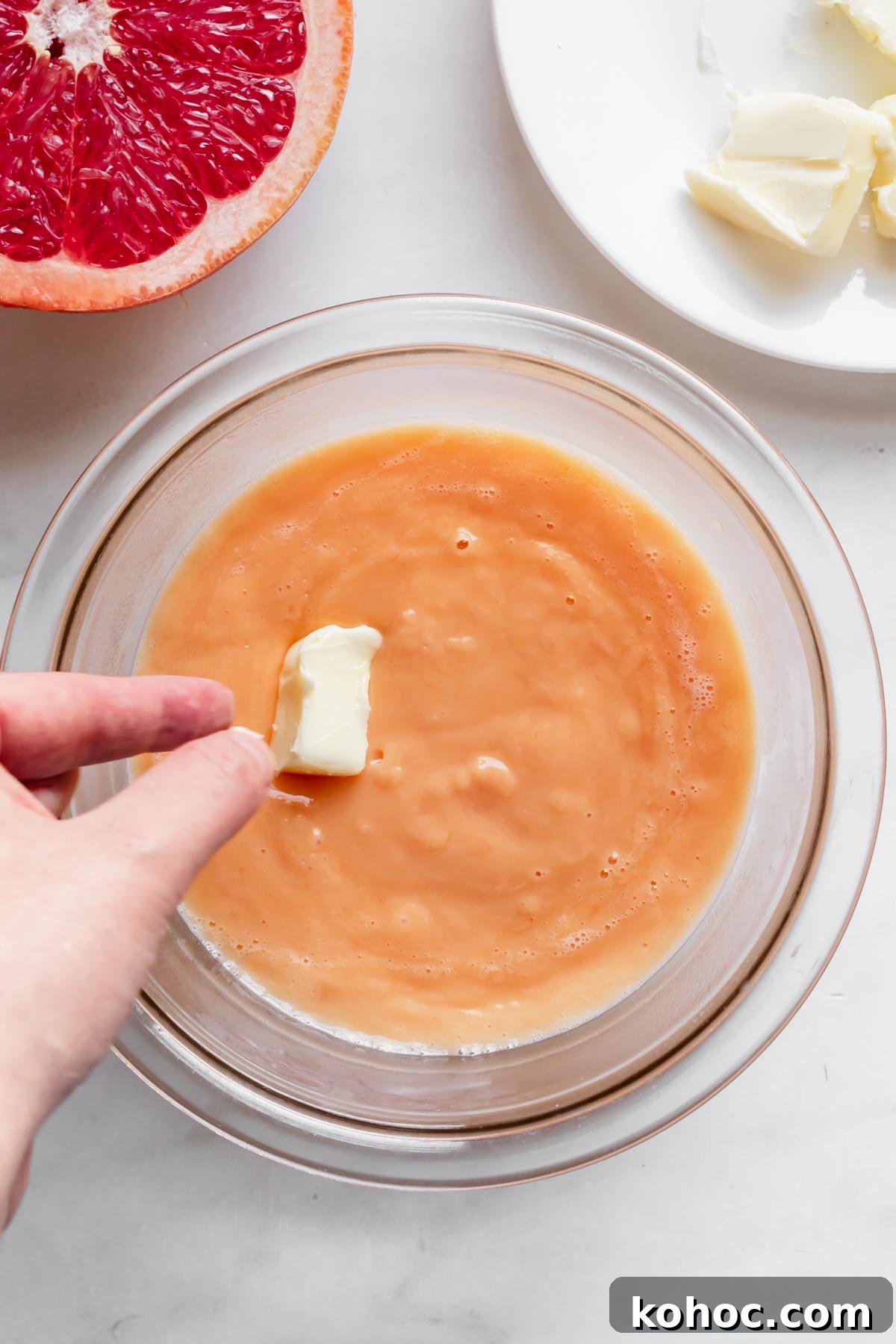
Four: Whisk in butter a tablespoon at a time until smooth. Cover the curd with plastic wrap pressed directly onto the surface and chill until set.
Mini Pavlovas
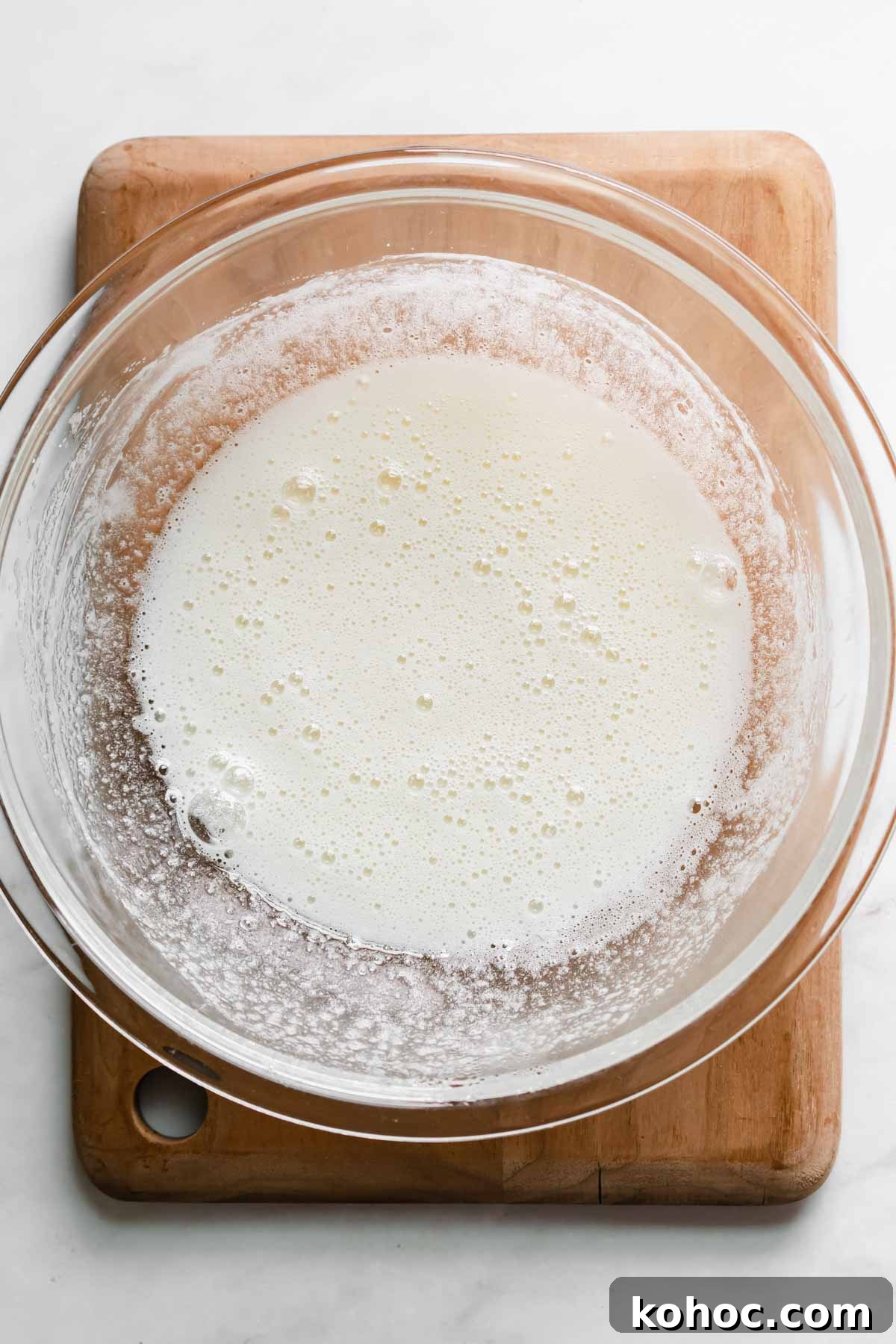
Five: Whisk egg whites until frothy, then slowly stream in the sugar while mixing on medium speed.
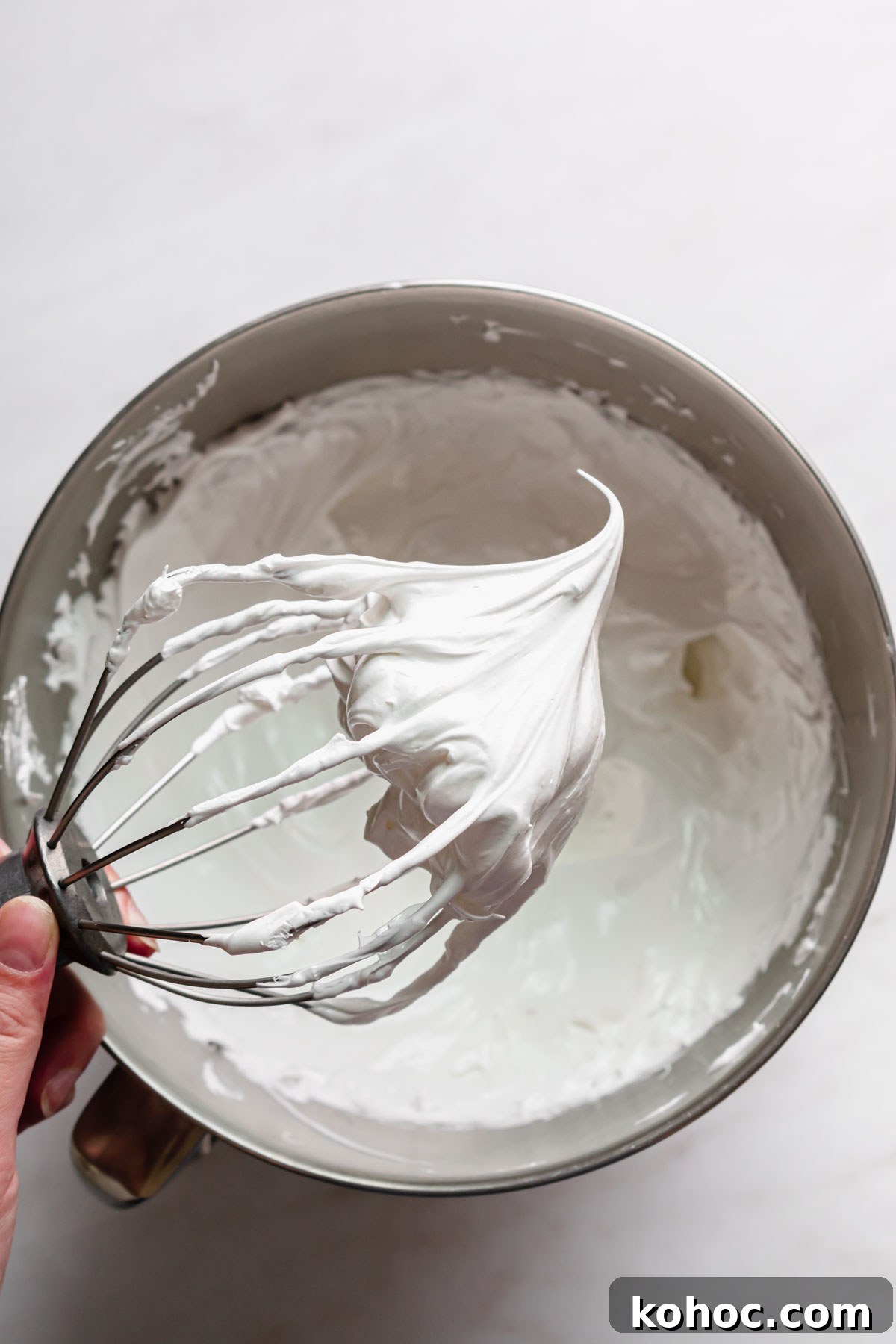
Six: Increase the speed and whip until stiff, glossy peaks form.
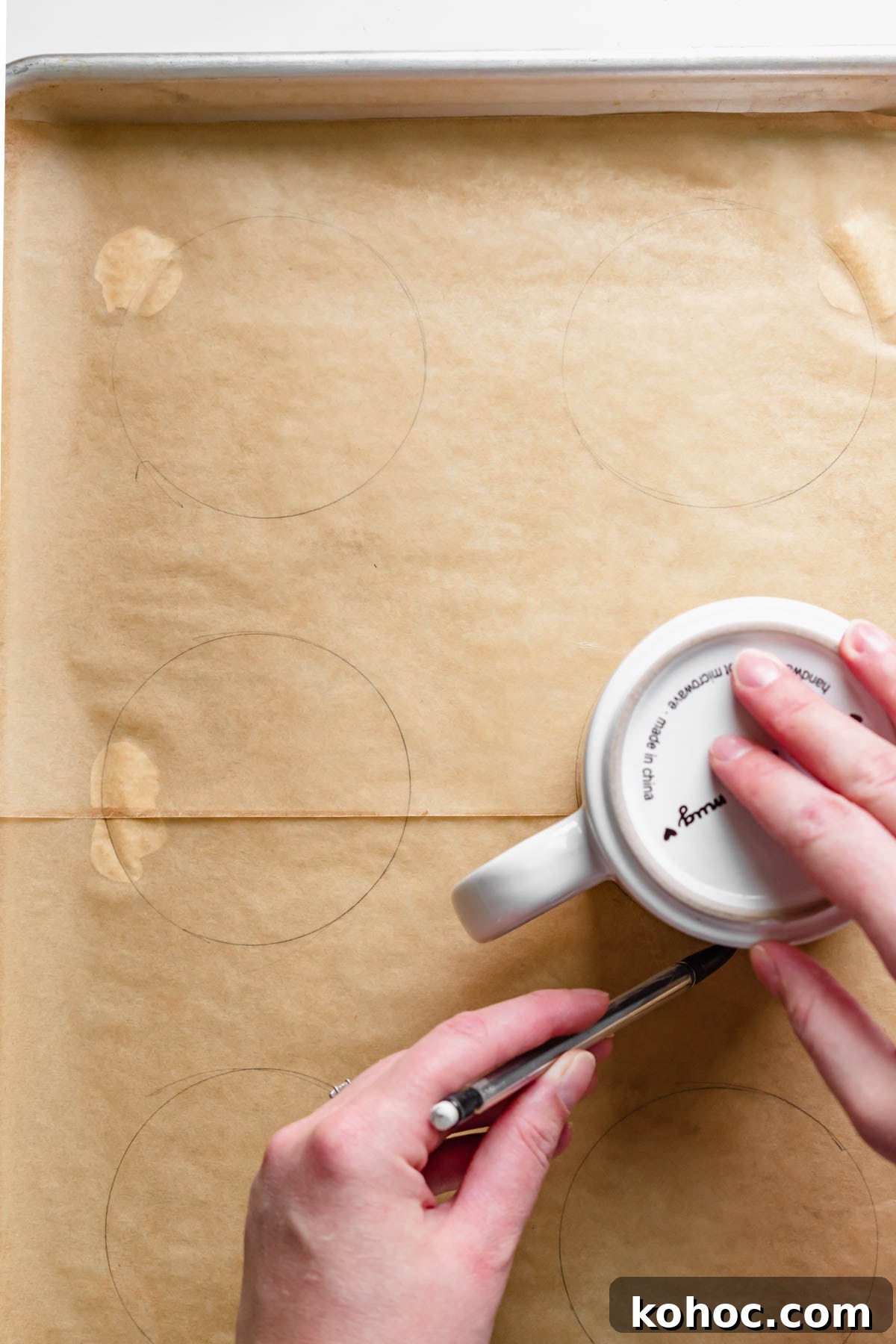
Seven: Trace six 4-inch circles on parchment. Add a tiny dab of meringue at the corners of the pan to secure the paper.
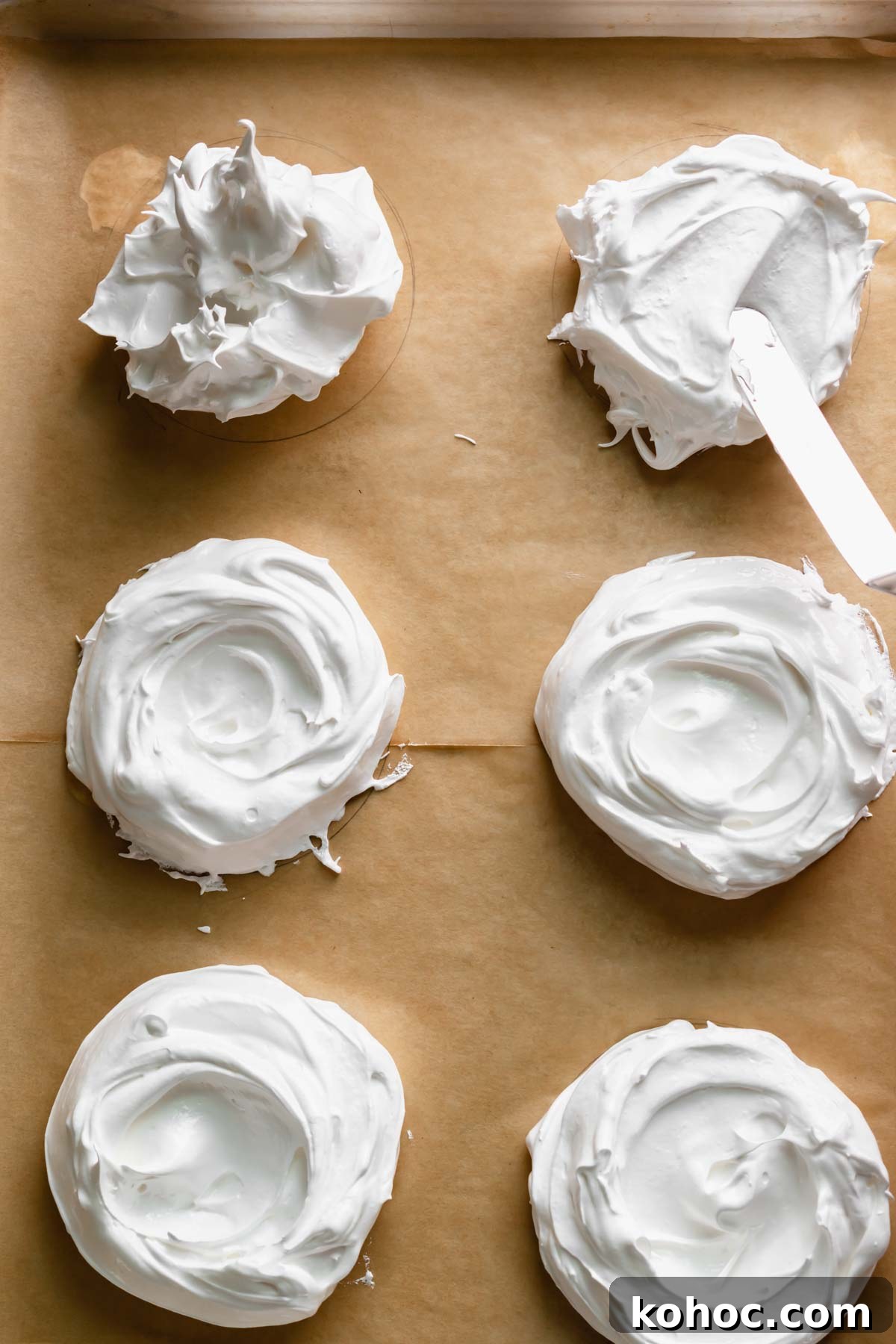
Eight: Spoon meringue into each circle and shape into nests, creating a shallow well in the center to hold the curd.
Citrus Pavlova Assembly
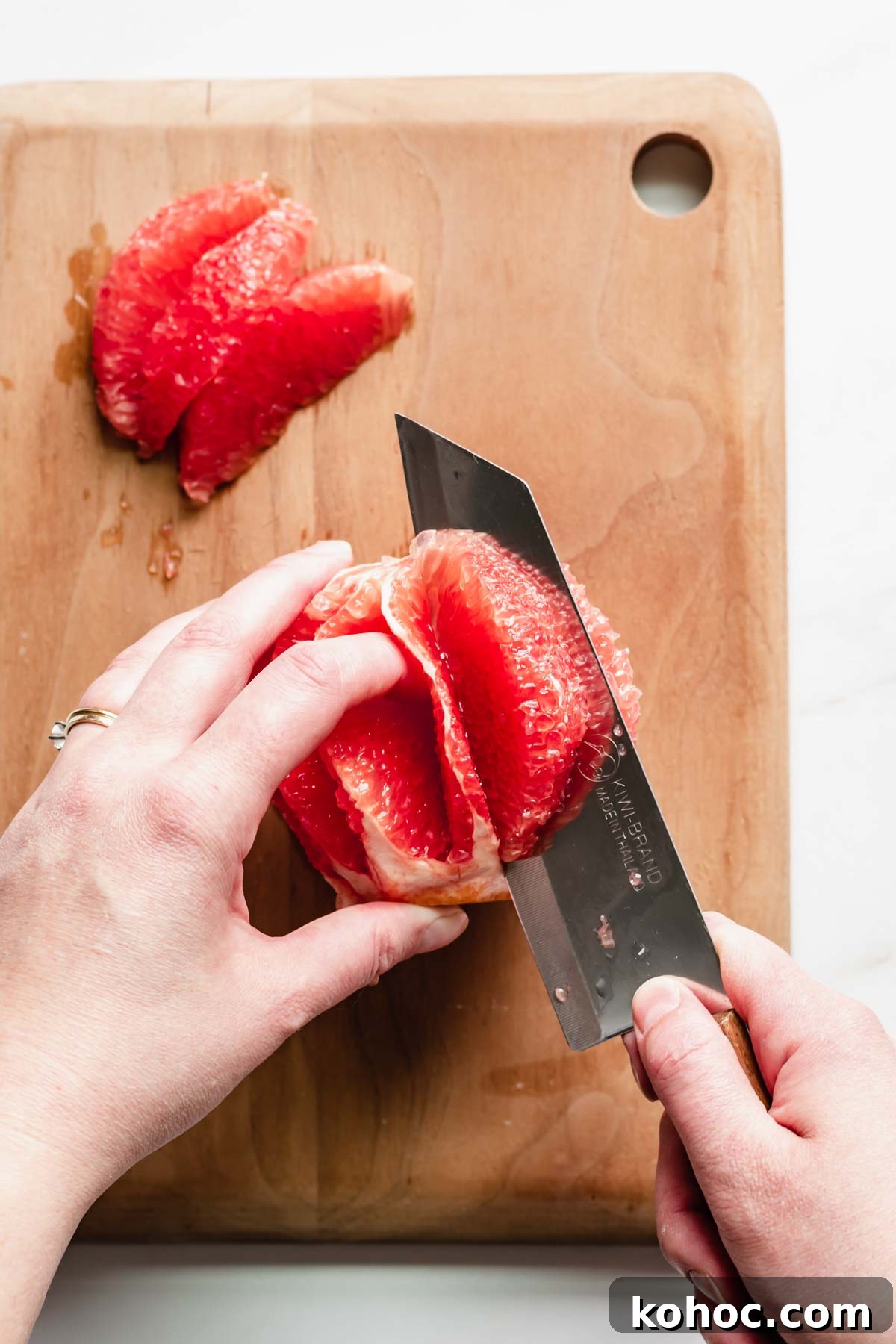
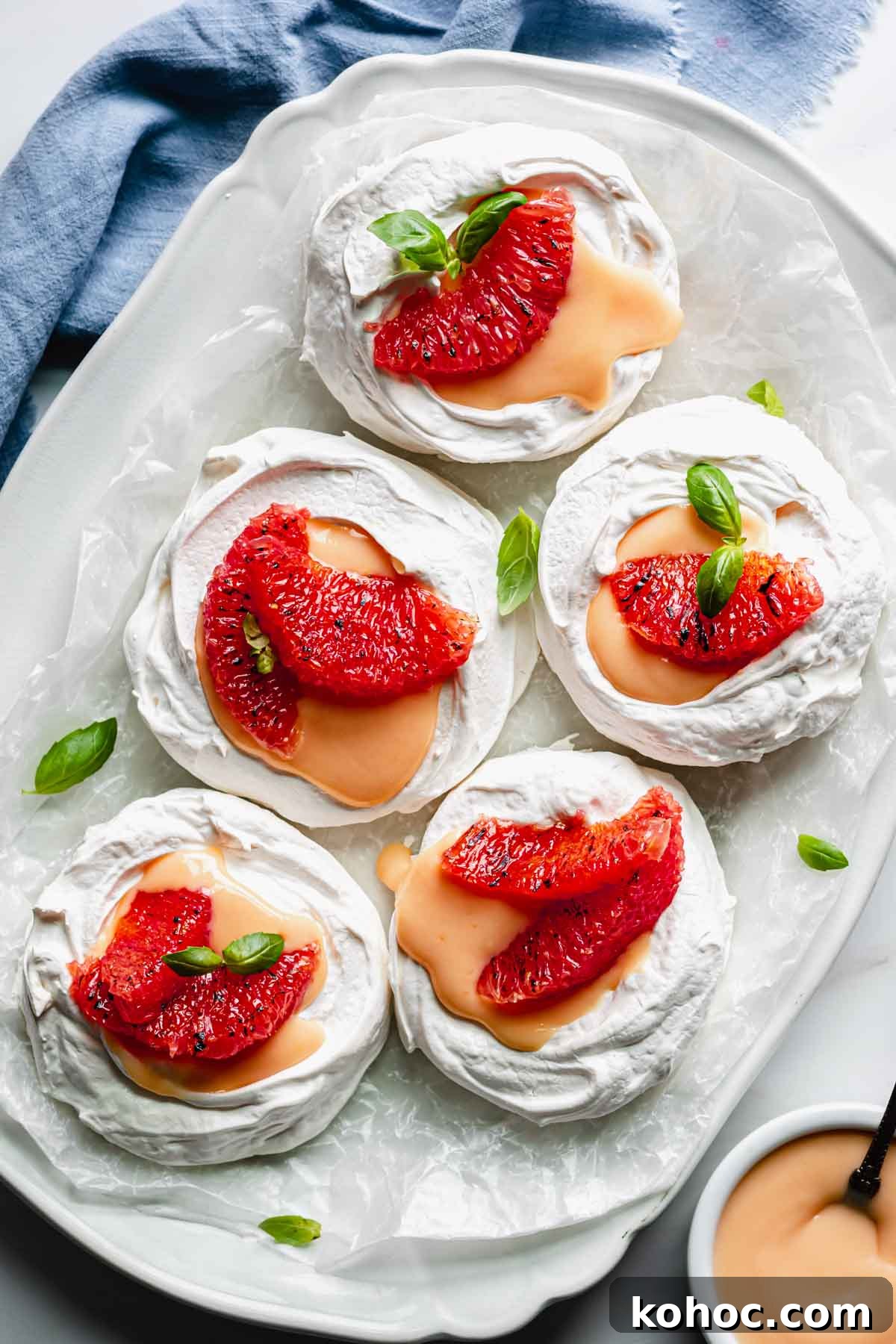
To serve, place nests on a platter and spoon grapefruit curd into each well. Peel and segment a grapefruit and arrange the segments on top. Pat segments dry, roll one side in granulated sugar and torch briefly if you want a bruléed finish.
Garnish with fresh mint or basil for a bright finish.
Expert Tips
- Make both curd and nests a day ahead. They need time to rest and are easy to assemble when guests arrive.
- Whip meringue in a completely clean, grease-free bowl and whisk; any fat will prevent proper volume.
- Create a pronounced swoop in each nest so the center holds curd without becoming too thick and underbaked.
- Use an oven thermometer and maintain a low, steady temperature for even drying.
- Only assemble the pavlovas right before serving to keep the nests crisp; the curd will soften them if left too long.
Storage
Unassembled meringue nests keep best at room temperature, uncovered, for up to three days. Assemble with curd and fruit just before serving. Do not freeze the finished nests.
The grapefruit curd will keep in the refrigerator for about one week.
Recipe FAQs
A pavlova is a baked meringue dessert cooked at low temperature until the exterior is crisp and the interior remains tender and slightly chewy.
Meringue refers to the whipped egg-white and sugar mixture; when that mixture is baked low and slow it becomes a pavlova.
A pavlova is ready when it lifts cleanly off the parchment. If it’s still sticky underneath it needs more drying time.
Yes. Return underbaked nests to a 225°F (107°C) oven for 20–30 minutes, then turn the oven off and let them sit inside with the door closed until fully cool.
Browning usually means the oven was too hot. A low, accurate temperature is important for even drying without color change.
More Individual Desserts You’ll Love
-
Dark Chocolate Pots de Creme
-
Mini Biscoff Cheesecake
-
Mini Lemon Meringue Tarts
-
Biscoff Truffles

Did you make this recipe? Share it with us! Tag @thecozyplum on Instagram and Facebook and leave a star rating below!
📖Recipe
Mini Pavlova Nests with Grapefruit Curd
Crisp, chewy mini pavlova nests filled with sweet-tart grapefruit curd. Make ahead and assemble just before serving.
Equipment
- Microplane or zester
- Whisk
- Fine mesh sieve
- Rubber spatula
- Heatproof bowl and medium pot
- Stand mixer with whisk or handheld mixer
- Offset spatula (optional)
Ingredients
Grapefruit Curd
- 3 large eggs
- 2/3 cup granulated sugar (133g)
- 3 tbsp grapefruit zest
- 2/3 cup freshly squeezed grapefruit juice (about 5 oz)
- 6 tbsp unsalted butter, room temperature (85g)
- Red food coloring (optional)
Mini Pavlovas
- 4 large egg whites
- 1/8 tsp kosher salt
- 1/2 tsp cream of tartar
- 1 cup granulated sugar (200g)
- 1/2 tbsp vanilla paste or extract
Instructions
Grapefruit Curd
- Zest enough grapefruit to yield 3 tablespoons of zest and juice enough fruit to make 2/3 cup juice. Remove any seeds.
- Place a fine-mesh sieve over a bowl. Cut the butter into tablespoon pieces and set aside.
- In a medium saucepan over medium-low heat, whisk together the eggs, sugar, grapefruit juice, and zest. Whisk constantly until the mixture thickens and just begins to bubble, about 5 minutes. It should coat and leave a track on a spatula.
- Pass the curd through the sieve into the prepared bowl, scraping the underside to extract all the curd.
- Whisk in the butter one tablespoon at a time until fully incorporated.
- If needed, add a drop of red food coloring to brighten the color. Cover the surface with plastic wrap to prevent a skin and chill until set.
Mini Pavlovas
- Preheat the oven to 225°F (107°C). Ensure the mixing bowl and whisk are completely clean and dry.
- Whip the egg whites on medium speed until frothy. Add the salt and cream of tartar.
- With the mixer running on medium, slowly stream in the sugar until incorporated. Add vanilla, increase speed to medium-high, and whip until stiff glossy peaks form, 3–10 minutes.
- Line a large baking sheet with parchment and secure it with a few small dabs of meringue. Trace six 4-inch circles on the parchment as a guide.
- Spoon meringue into each circle, building a tall mound and then shaping it down into a nest with a shallow well in the center. Smooth the edges and create a few channels in the middle to hold curd.
- Bake for 1 hour. Turn the oven off and allow pavlovas to cool completely inside with the door closed for about 45 minutes to finish drying.
Assembling
- Spoon a tablespoon or two of grapefruit curd into each cooled nest and top with segmented grapefruit. If desired, roll segments in sugar and briefly brulee with a torch for color.
- Garnish with fresh mint or basil and serve immediately.
Notes
- Assembled pavlovas should be eaten shortly after adding the curd and fruit. Unassembled nests store well at room temperature, uncovered, for 2–3 days in a cool, dry place.
- The curd will keep in the fridge for about one week.
- One large grapefruit typically yields enough zest and juice for the curd; use two if you plan to top each pavlova with segments.
- Ruby red grapefruit gives the most vibrant curd color; add a touch of food coloring if needed.
- Always use a clean bowl and whisk when whipping egg whites to ensure maximum volume.